
Last updated November 22, 2026
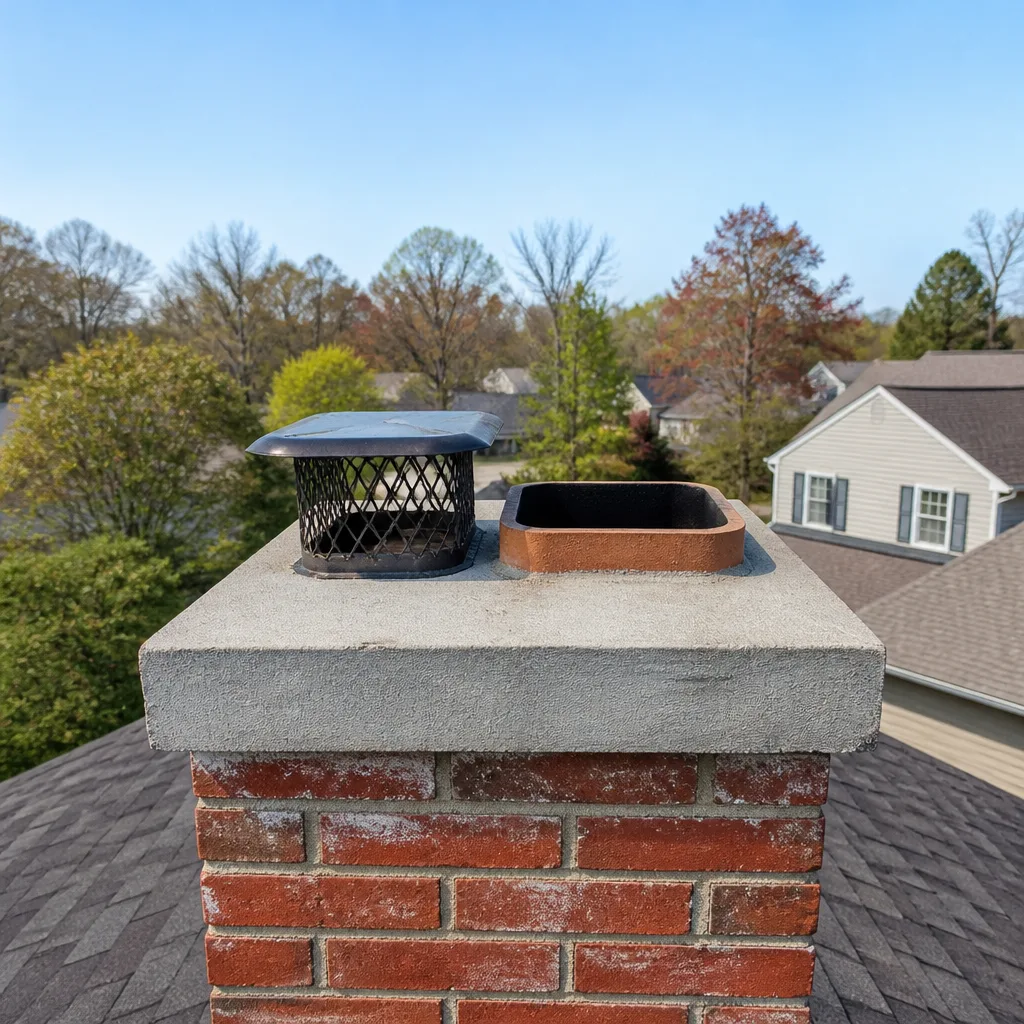 Sweep & inspection
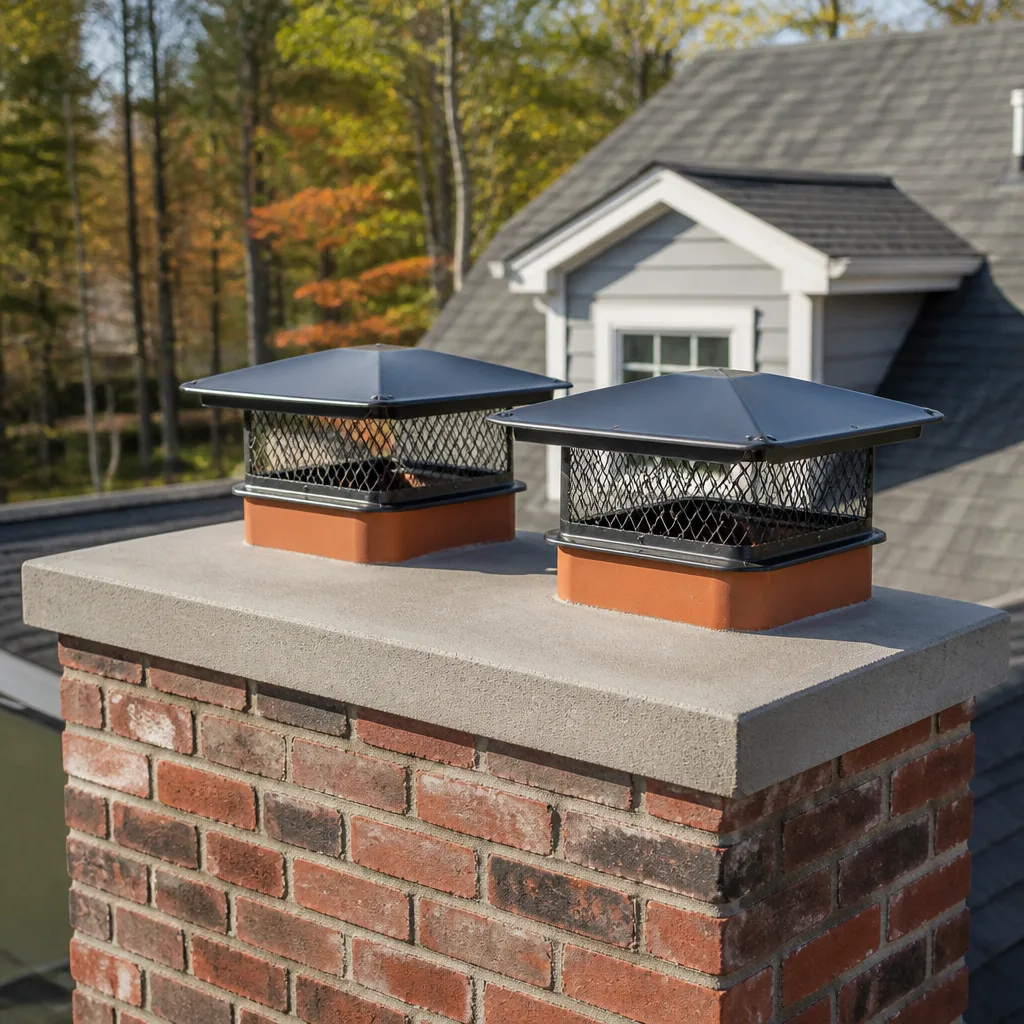 Caps & crowns
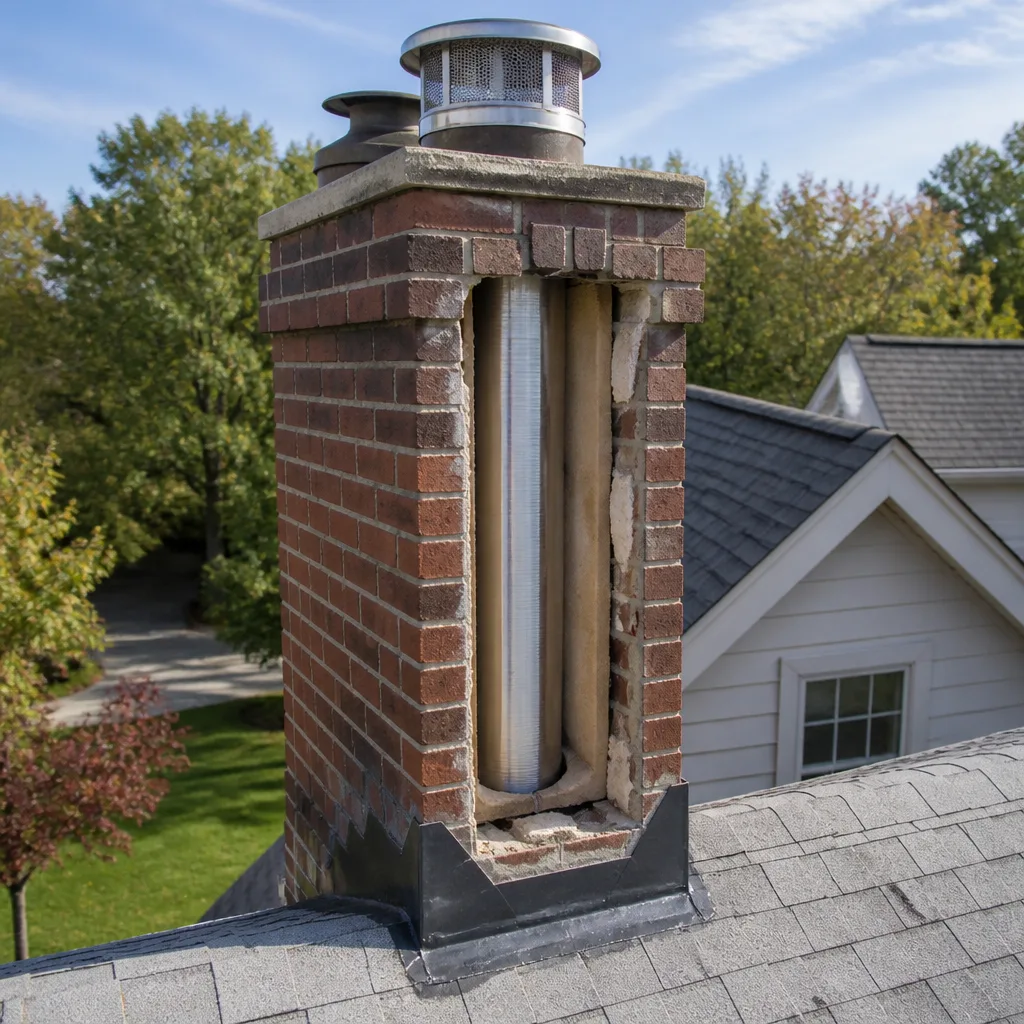 Flue relining
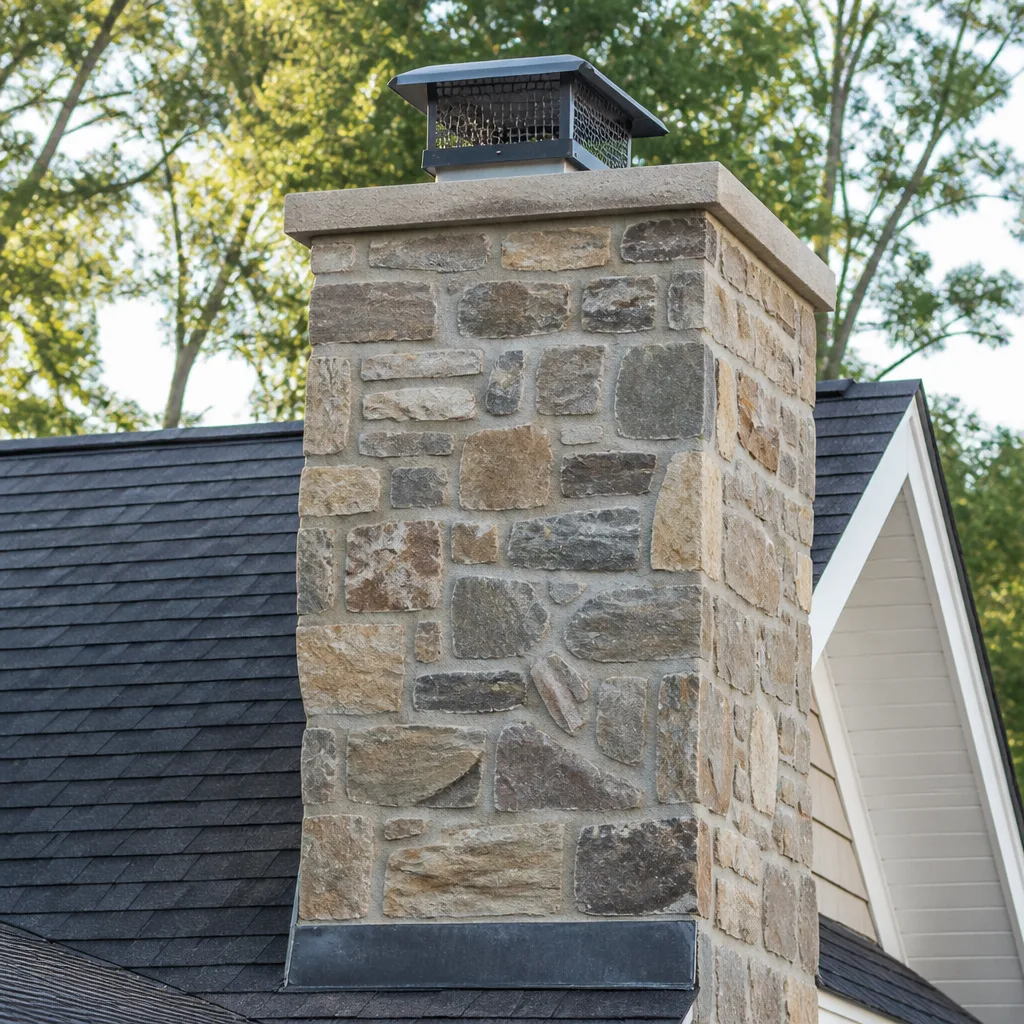 Masonry repair
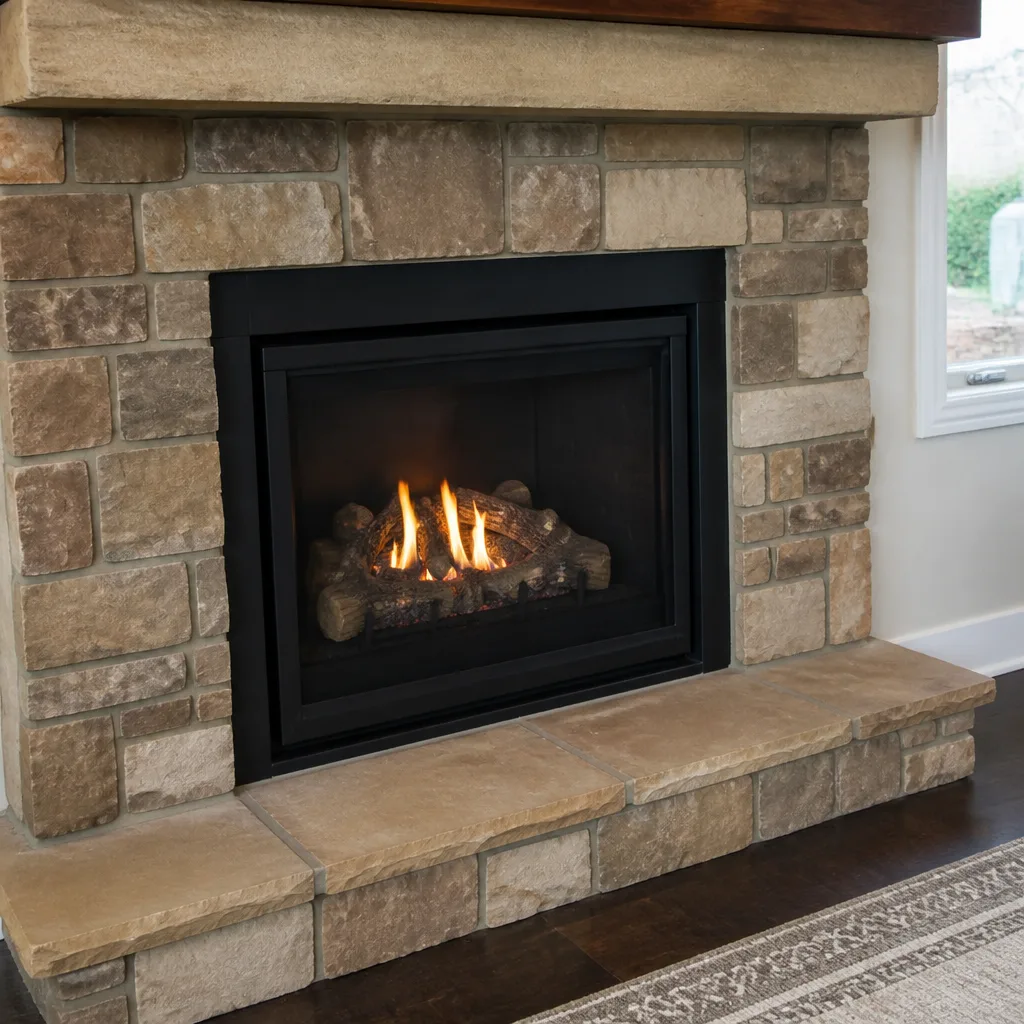 Gas fireplace service
Level 1 sweep and inspection to the NFPA 211 annual standard - flue, crown, cap, and flashing checked and photographed
Chimney sweep logs do not sweep chimneys. They loosen some creosote - which then falls where a brush and vacuum still have to collect it.
The Complete Guide to Chimney Cleaning in Dorchester
Most chimney fires in urban New England neighborhoods aren’t started by people who ignored their chimney. They’re started by people who followed cleaning advice written for a colonial house on a half-acre lot and applied it to a three-story triple-decker on a tight Dorchester street. The flues are different, the fuel history is different, and the way heat moves through a converted multifamily is different. This guide treats Dorchester’s housing stock as the central fact, not a footnote. You’ll learn how triple-decker and row-house flue setups change your cleaning schedule, why an oil-to-gas conversion flue needs its own protocol, what NFPA 211 inspection levels actually mean in practice, and how to read a sweep report so you know what’s urgent and what can wait.
Quick Answer
Chimney cleaning in Dorchester should happen once a year for a wood-burning flue you actually use, and more often if you burn heavily or notice glaze on the walls. If your home was converted from oil to gas or sits in a dense triple-decker, the flue geometry and fuel history matter more than the calendar, so a proper inspection comes first and the sweep is scheduled from what it finds. A professional cleaning with a camera inspection and a written report is the baseline, not a luxury.
Styles & brands we work with
- Sweep & inspection
- Caps & crowns
- Flue relining
- Masonry repair
- Gas fireplace service
Table of Contents
- Why Dorchester’s Triple-Deckers Clean Differently
- Salt Air, Humidity and Creosote Hardening
- NFPA 211 Inspection Levels in Plain English
- Oil-to-Gas Conversion Flues: A Different Cleaning Protocol
- How a Proper Sweep Actually Works
- How to Read a Sweeping Report
- How Often Should You Clean a Chimney in Dorchester?
- Common Mistakes to Avoid
Why Dorchester’s Triple-Deckers Clean Differently
A suburban single-family house usually has one flue serving one fireplace, running straight up through an open chase in a cold attic. Many Dorchester homes don’t work that way. The classic triple-decker stacks three units on a narrow lot, and the chimney often serves multiple flues packed into one masonry stack. Converted multifamilies add their own complications: an old parlor fireplace becomes a gas insert, a basement flue gets tapped for a furnace, and the original flue that served the coal or wood stove is left orphaned and unlined.
That matters because shared stacks behave differently from single flues. Flues in the same chase can leak smoke and gases into each other when their liners are cracked or missing, especially under the pressure differences created by a tall stack in a dense block. We’ve seen this pattern repeatedly in Dorchester: a homeowner on the top floor smells smoke in a room where no fire is burning, and the source turns out to be a flue in another unit. Cleaning alone won’t fix that. A camera inspection will show it.
The practical differences for a Dorchester triple-decker or row house come down to a few things:
- Multiple flues in one stack. Each needs its own cleaning and inspection. Sweeping the one you use while leaving the other three unchecked is a partial job.
- Orphaned flues. When an old appliance is removed, the flue that served it stays in the chimney. It collects debris, moisture and sometimes animal nesting.
- Shared pressure. A tall stack in a tight block draws differently than a short one on an open lot, which can pull smoke the wrong way when flues aren’t sealed at the top with a proper chimney cap & crown.
- Reduced clearances. Tight lots mean less room to work and often a steep, narrow roof access. It’s a scheduling reality we account for in Dorchester.
If your home has a converted furnace flue, an unused fireplace flue, and a wood-burning fireplace you actually light, you’re looking at three separate cleaning and inspection tasks, not one. Establishing that up front saves both time and money.
Salt Air, Humidity and Creosote Hardening
Dorchester sits close enough to the water that humid summer air and airborne salt do reach the masonry, even a few blocks inland. This isn’t the dramatic corrosion you’d see on a pier, but it matters to a chimney. Salt and moisture combine to drive efflorescence, mortar joint erosion and spalling brick, and they also affect what’s inside the flue. Creosote that sits through a damp off-season can harden into a glaze that a standard sweep brush skips right over.
Three things happen to a Dorchester chimney when creosote hardens:
- Stage 2 creosote deposits. These are crusty and flaky and can be removed with the right tooling, but they cling harder than the soft soot of a dry climate.
- Stage 3 glazing. Oily, tar-like deposits that fuse to the flue wall. Standard brushing won’t touch them. A chemical treatment or liner resurfacing may be needed.
- Masonry damage from water. Water entering through a damaged crown or missing cap freezes in a winter cold snap, expands in the brick pores, and pops the brick face off over time.
What this means in practice: in Dorchester, the annual sweep needs to inspect for glazing, not just brush and go. If the tech runs a brush down and hands you a bill without a camera check, you haven’t been told whether the flue is actually clean. On the exterior, a yearly look at the crown and the cap pays for itself. A modest masonry repair now is cheaper than a rebuild later. If you’re not sure of the state of your crown, that’s exactly what a proper inspection is for, and one call covers both.
NFPA 211 Inspection Levels in Plain English
NFPA 211 is the industry standard for chimneys, fireplaces, vents and solid-fuel appliances. It defines three inspection levels, and knowing which one applies to your situation tells you what to expect and what it costs. Here’s what they mean in practice.
Level I Inspection
A visual check of the accessible parts of the chimney, appliance, and connector, plus the firebox. This is the standard inspection you’d get with an annual cleaning. It’s fine when the appliance and fuel haven’t changed and there’s no known problem. It’s what most Dorchester homeowners should get every year for a wood-burning fireplace they use regularly.
Level II Inspection
Everything in a Level I, plus a camera inspection of the flue interior and a closer look at accessible parts of the chimney exterior. This is the minimum you should expect in four situations:
- A home sale or purchase (this is what a real-estate inspection should include)
- A change of fuel type or appliance (oil to gas, wood to gas insert, coal to wood)
- After a chimney fire, even a small one
- When you’re adding a new appliance or liner
For a Dorchester home sale, a Level II is the honest baseline. It’s the inspection that catches the cracked liner the seller didn’t know about and the buyer needs to price into the deal.
Level III Inspection
Everything in a Level II, plus investigation of concealed areas. This means removing parts of the chimney or surrounding structure when a Level II points to a hidden problem. It’s rare, and it’s reserved for suspected damage behind the masonry. A Level III is a targeted investigation, not a routine service. Anyone recommending one should be able to show you the camera evidence that justifies it.
Our inspection is a standalone service. You can book it independent of any repair, and the report stands on its own so you (or an agent, or a buyer) can make a decision with real information.
Oil-to-Gas Conversion Flues: A Different Cleaning Protocol
Dorchester has an unusually high number of homes that were converted from oil heat to natural gas. The chimney that once vented an oil furnace is often still in service for a gas appliance, and this creates a problem the annual cleaning should catch. An oil flue accumulates a different kind of residue than a wood flue, and a gas appliance produces more water vapor relative to the heat it sends up. That combination can leave a flue liner vulnerable to moisture and corrosion that a wood-only cleaning protocol never checks for.
A proper cleaning on an oil-to-gas conversion flue covers:
- Checking the liner for compatibility. A gas appliance vented into a flue meant for oil may need a dedicated liner, often a properly sized stainless system such as DuraFlex, to vent safely and last.
- Removing old residue. The oil-era soot and scale shouldn’t just be brushed loose and left. It needs to be cleared out before the new appliance runs.
- Checking for orphaned openings. Conversions often leave an unused flue opening or an old thimble that should be sealed off.
- Testing draft. A gas appliance vents differently than oil-fired equipment, and the draft has to be verified after work, not assumed.
If your home was converted, the annual cleaning isn’t a wood-fire sweep with a different name. It’s a venting check. If the flue never got a proper liner after the conversion, a resurfacing option like HeatShield can sometimes rehabilitate it without demolition, which is often a real alternative to a full liner replacement. The right answer depends on what the camera sees, and that’s what we go on. A full chimney sweep in Dorchester should always include a camera check for exactly this reason.
How a Proper Sweep Actually Works
The word “sweep” covers a lot of different jobs, from a ten-minute brush pass to a full-system service. A proper sweep in Dorchester should follow roughly this sequence:
- Protect the room. Drop cloths and a HEPA vacuum keep soot out of the house. That’s a real courtesy in a tight triple-decker living room.
- Inspect before cleaning. Check the firebox, damper, smoke chamber and throat, and confirm the flue liner type. This is where we find cracked liners and orphaned flues.
- Camera the flue. A camera run confirms what’s inside, including glazing, gaps, and any obstruction. Nothing gets recommended without this evidence.
- Sweep the flue. Brushes sized to the flue shape, with a rotary tool for stubborn deposits. Stage 2 and 3 creosote may need chemical treatment.
- Clear the firebox and smoke chamber. The smoke chamber is a common place soot hides and many sweeps skip it.
- Check the cap and crown. The exterior matters as much as the interior. Missing or damaged caps are one of the most common Dorchester findings.
- Write a report. A proper sweep leaves you with a photo-documented record of what was found and what, if anything, needs attention.
Steps 2, 3 and 7 are where the difference lives. If a sweep skips them, you got a brush pass, not a servicing. Every sweep we run includes camera evidence and a photo report so you can see what your chimney looks like for yourself.
How to Read a Sweeping Report
A sweeping report is the record of what was found, and reading one properly is the difference between overpaying for unnecessary repairs and missing something serious. Here’s what to look for and how to judge it.
Findings usually fall into three buckets:
- Clear now, monitor. Hairline cracks in the firebox, minor efflorescence on the exterior, a slightly rusted damper. These get flagged and checked next time.
- Address this season. A cracked flue liner, a damaged crown, a missing cap, a disconnected appliance connector. These matter before the next burn season. Some can safely wait a few months, and a good report will say which.
- Address now. Blocked flue, severe glazing, carbon monoxide risk, structural failure. These need a conversation before the fireplace is used again.
Three things make a report trustworthy: photos of the actual flue, a camera video you can see, and plain-English descriptions of the problem instead of trade jargon. Anything recommended should be justified in the report. If the report recommends work without showing you the evidence, you’re right to ask for the camera footage. A good fireplace repair recommendation follows the same rule: the repair we suggest is the one the camera shows.
We structure every report this way. You get a photo documented walkthrough, an honest read on what can safely wait, and a written estimate if a repair is warranted. The estimate is free and the price is set per job from that estimate, so nothing gets added later.
How Often Should You Clean a Chimney in Dorchester?
Once a year is the standard answer, and it holds for most Dorchester homes with a wood-burning fireplace they use regularly. But the standard answer isn’t always the right answer. Cleaning frequency depends on how much you burn, what you burn, and how the flue is built.
| Situation | Typical cleaning frequency |
|---|---|
| Wood-burning fireplace, occasional use | Once a year |
| Wood-burning fireplace, primary heat source | 2 to 3 times per year |
| Gas fireplace or insert | Once a year, inspection-focused |
| Oil-to-gas converted furnace flue | Once a year, venting-focused |
| Home you just bought | Before first burn, regardless of history |
| Chimney fire, even a minor one | Immediately, before next use |
| Home sale or purchase | Level II inspection before closing |
Burning dry, seasoned wood cuts down on creosote. Burning unseasoned wood or a lot of softwood accelerates deposits. A Dorchester homeowner who burns at the high end of the range and heats with the fireplace gets a much shorter cleaning interval than someone who lights a fire on a few winter nights. If you’re unsure where you fall, the camera check in this year’s inspection will tell you, and that’s the only real way to know.
Common Mistakes to Avoid
- Cleaning once and then skipping a decade. One sweep doesn’t reset the clock forever. Creosote keeps building every season, and a flue that was clear before can be glazed after two.
- Assuming a gas fireplace doesn’t need cleaning. A gas appliance still vents into a flue, and that flue still needs inspection. Gas installation is not a “set and forget” system.
- Taking a general handyman’s word on chimney work. A chimney is a specialized system. Someone whose trade includes fifteen other jobs may not have the training or the tools to properly inspect a liner or set a crown.
- Sweeping the one flue you use and leaving the rest. A Dorchester triple-decker usually has multiple flues. Orphaned flues, blocked flues and connected appliance flues all need to be checked.
- Buying a report that doesn’t show you the camera evidence. If a recommendation to spend thousands on a liner comes without video or photos, ask for the evidence before you authorize anything.
- Ignoring the exterior. A dried, cracked crown lets water into the masonry. In a Dorchester freeze-thaw winter, that water does real damage. The cap and crown are part of the same system.
- Waiting for a chimney fire to schedule an inspection. A Level II inspection after a chimney fire is standard practice, and it’s the condition that most needs one. Catching the problem before it burns is the whole point.
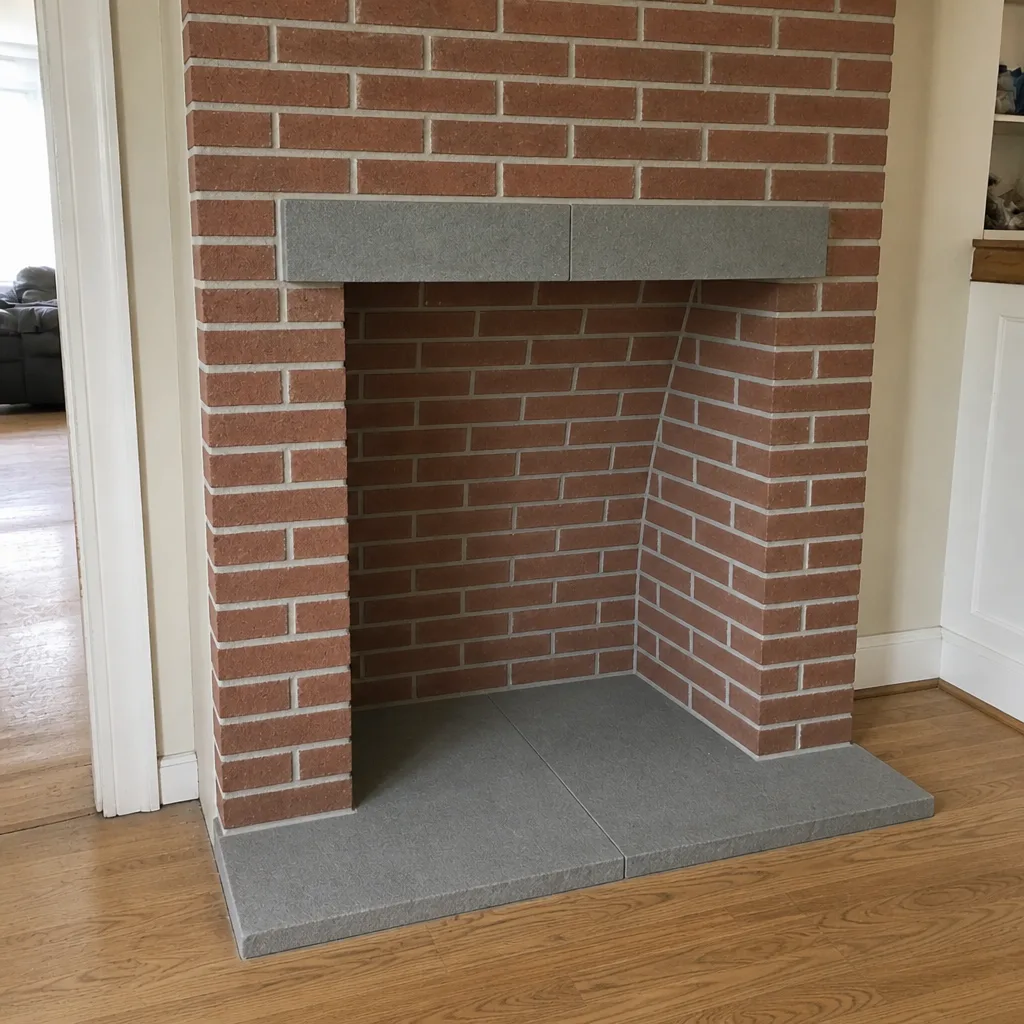
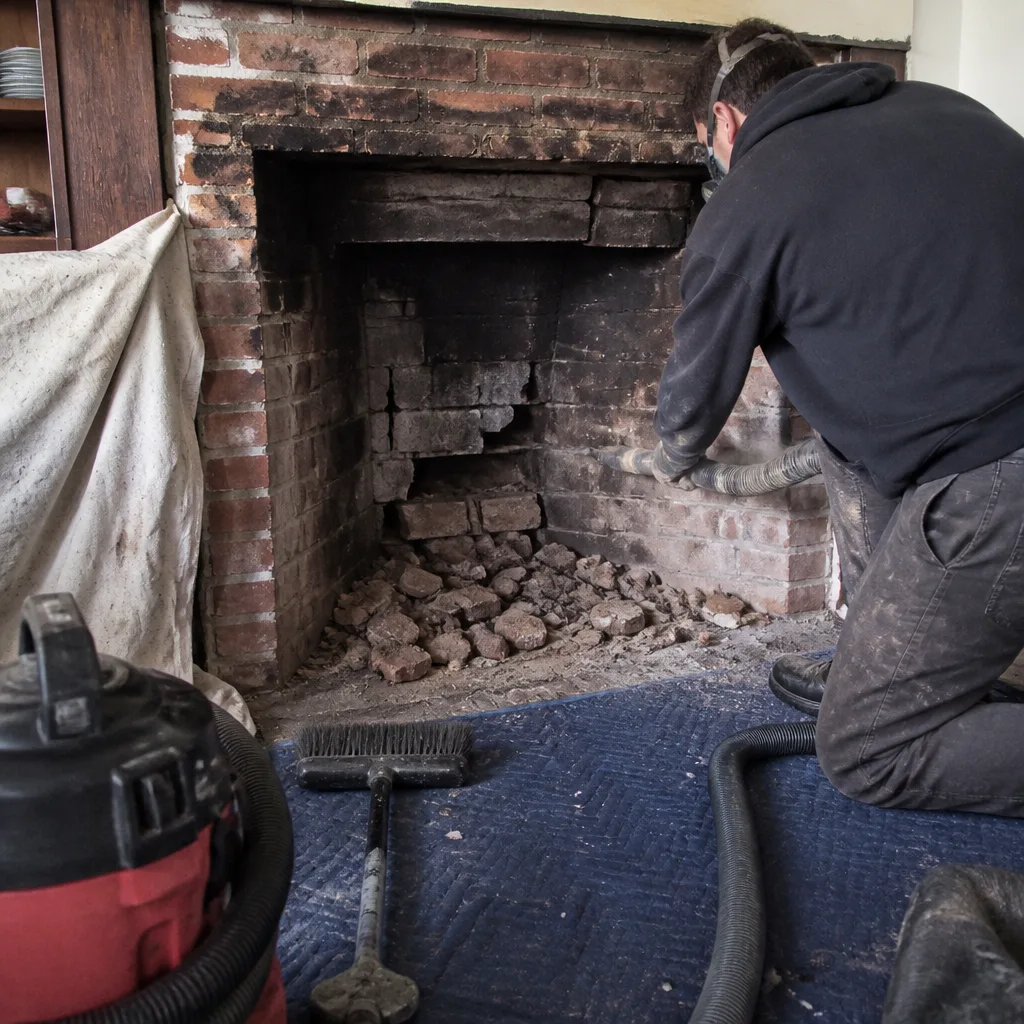
See the difference
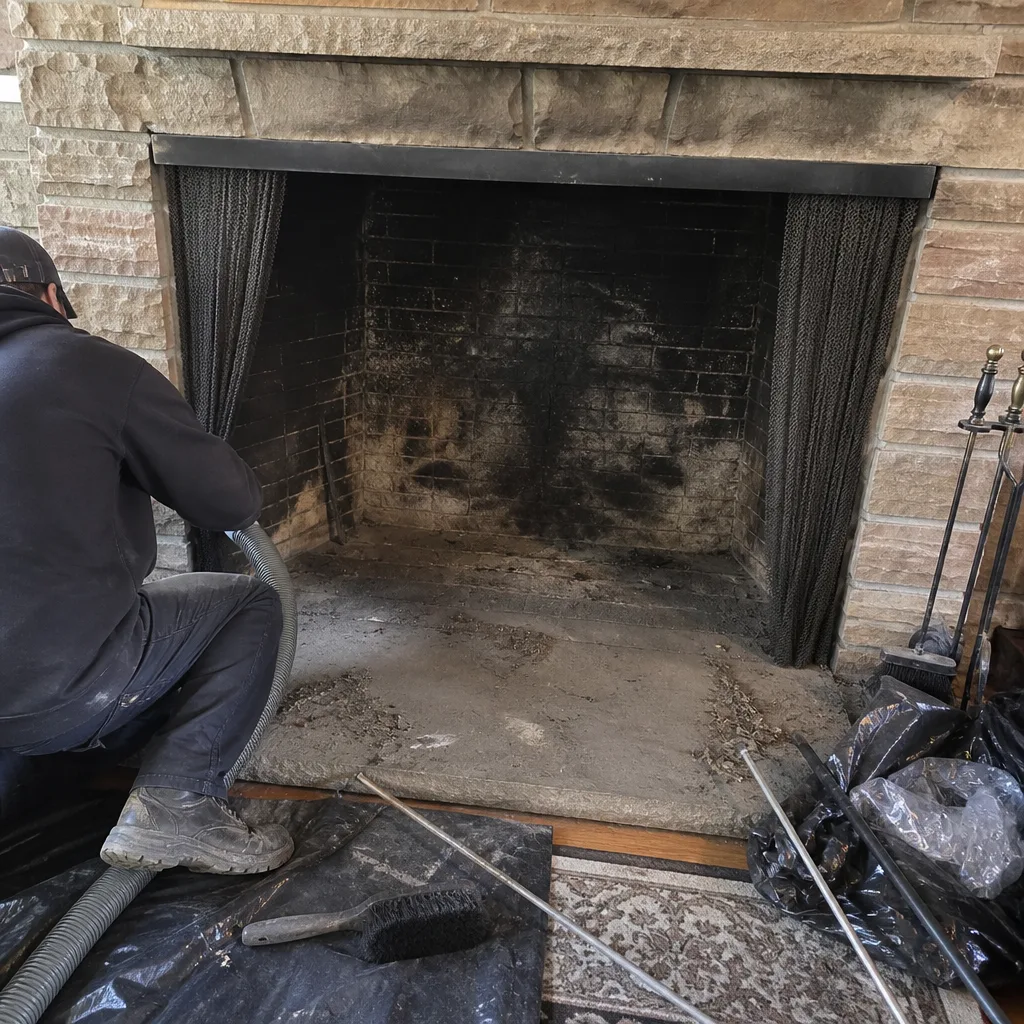 Before
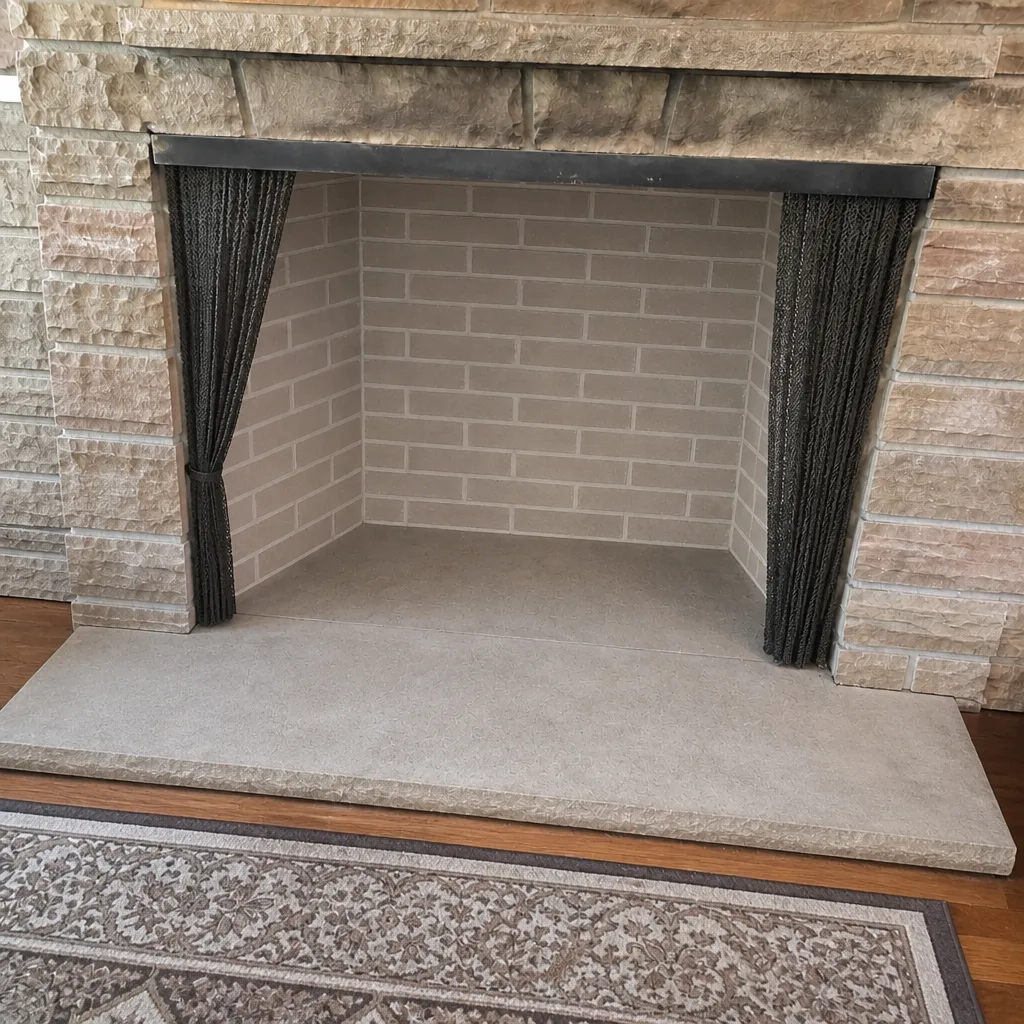 After
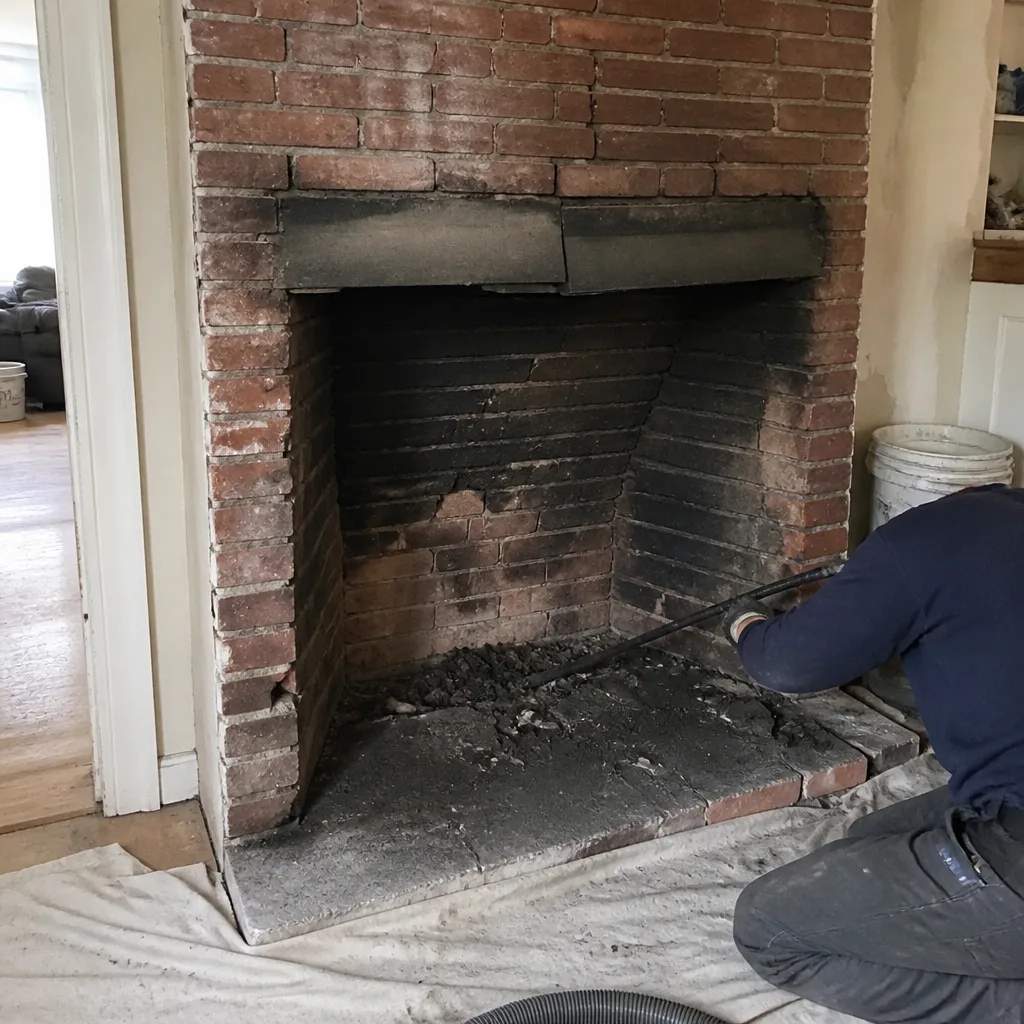 Before
 After
 Before
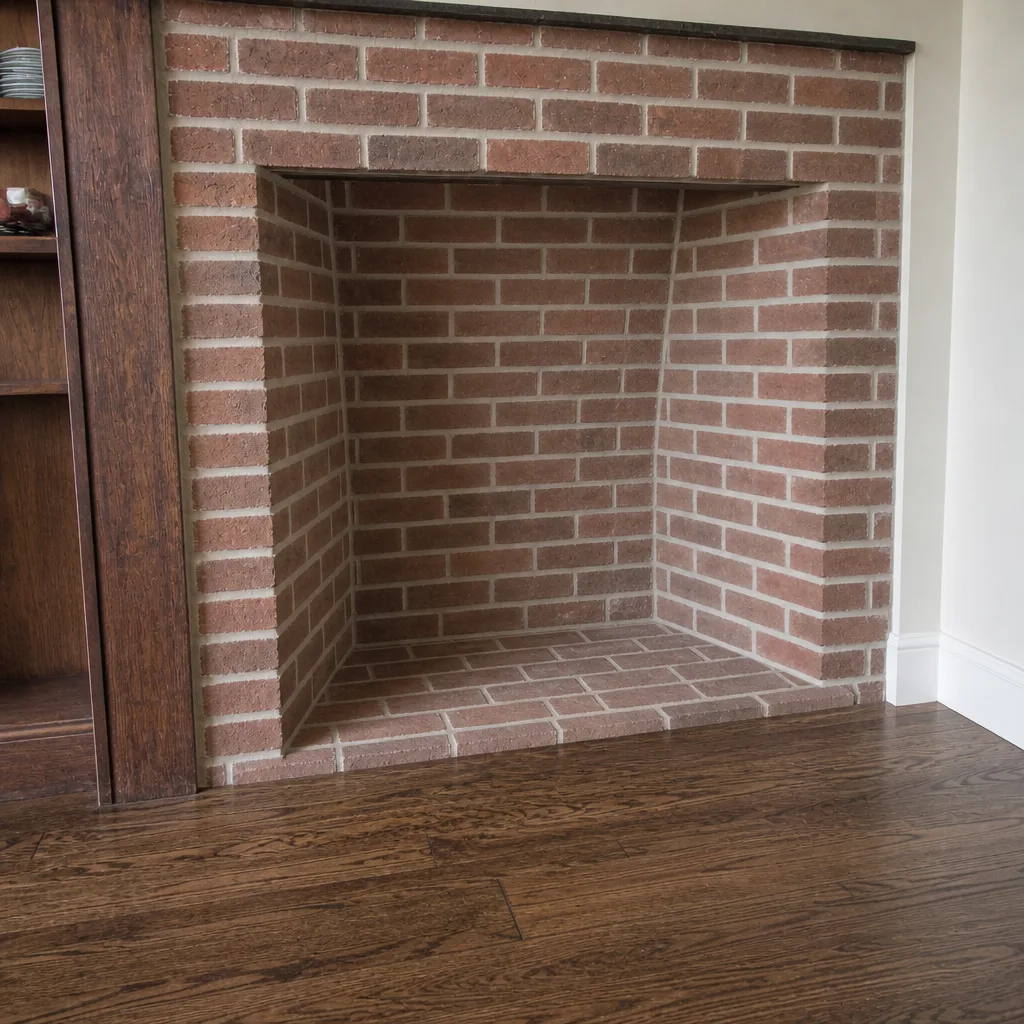 After
When to Call a Professional
Some jobs are safe for anyone. Others need training and the right tools. Call a professional if: you’ve had a chimney fire, even a small one; you smell smoke inside the house when no fire is burning; you notice creosote glaze on the flue walls; you’re buying or selling a Dorchester home and need a Level II inspection; your appliance has changed fuel type; your fireplace or stove has not been serviced in over a year; or you simply don’t know when it was last looked at. Chimney Sweep Dorchester offers free estimates in Dorchester. Call (844) 443-4495.
Frequently Asked Questions
Chimney cleaning in Dorchester is priced per job from a written estimate, so the number depends on how many flues your home has, what’s inside them, and whether the exterior also needs attention. The estimate itself is free, and it’s based on a camera inspection, not a phone guess. Call (844) 443-4495 for an exact quote.
Not always. Many older liners can be rehabilitated with resurfacing technology like HeatShield rather than replaced completely, which saves on demolition and cost. But the answer depends entirely on what the camera shows. If the camera evidence shows a failed or missing liner, a replacement is the safe choice. If the liner is intact but worn, resurfacing may be a genuine option. Nothing gets recommended without showing you the evidence first.
Once a year for a wood-burning fireplace you use, more often if you burn a lot or heat with it. Every appliance flue should be checked at the same time. A Level II inspection covers the whole chimney rather than just the flue you burn in.
Creosote builds up in layers, and a flue that looked fine two seasons ago can be coated in hard glaze now. That glazing is fuel for a chimney fire, and a fire can spread beyond the masonry. Skipping a cleaning doesn’t hurt immediately, but the longer it goes the harder and more expensive the eventual repair, and the higher the risk to the home and anyone in it. Call (844) 443-4495 to schedule a cleaning before the next burn season.
Yes. Multifamily flue configurations are one of the things we know best, and every flue in the stack gets checked, not just the one you use. That includes orphaned flues and connections to appliances in other units. Chimney Sweep Dorchester works across the range of Dorchester housing stock.
Yes, and it’s a standalone service. Our inspection is an honest condition report, independent of any repair sale, so buyers, sellers and agents can make a decision from a real assessment. A Level II inspection is the right minimum for a Dorchester home sale.
The Bottom Line
Chimney cleaning in Dorchester is not a generic maintenance task. Triple-decker stacks, orphaned flues, oil-to-gas conversions, salt air and freeze-thaw winters combine to make the annual service more important, not less. Do three things: get a proper sweep with camera evidence and a written report, read that report and separate what’s urgent from what’s routine monitoring, and keep a proper cap and crown on the chimney so water doesn’t do the damage a fire didn’t. Every year the schedule gets easier to keep, and the cost of a good cleaning stays well below the cost of a repair you could have avoided.
Written by the team at Chimney Sweep Dorchester.
If you’re ready to have your chimney cleaned or inspected, call (844) 443-4495 for a free estimate. We answer 24/7. Fast dispatch from 7am to 7pm, Sunday through Friday. Whether you need a routine sweep or a full condition report before a home sale, one call covers it all.