
Last updated November 22, 2026
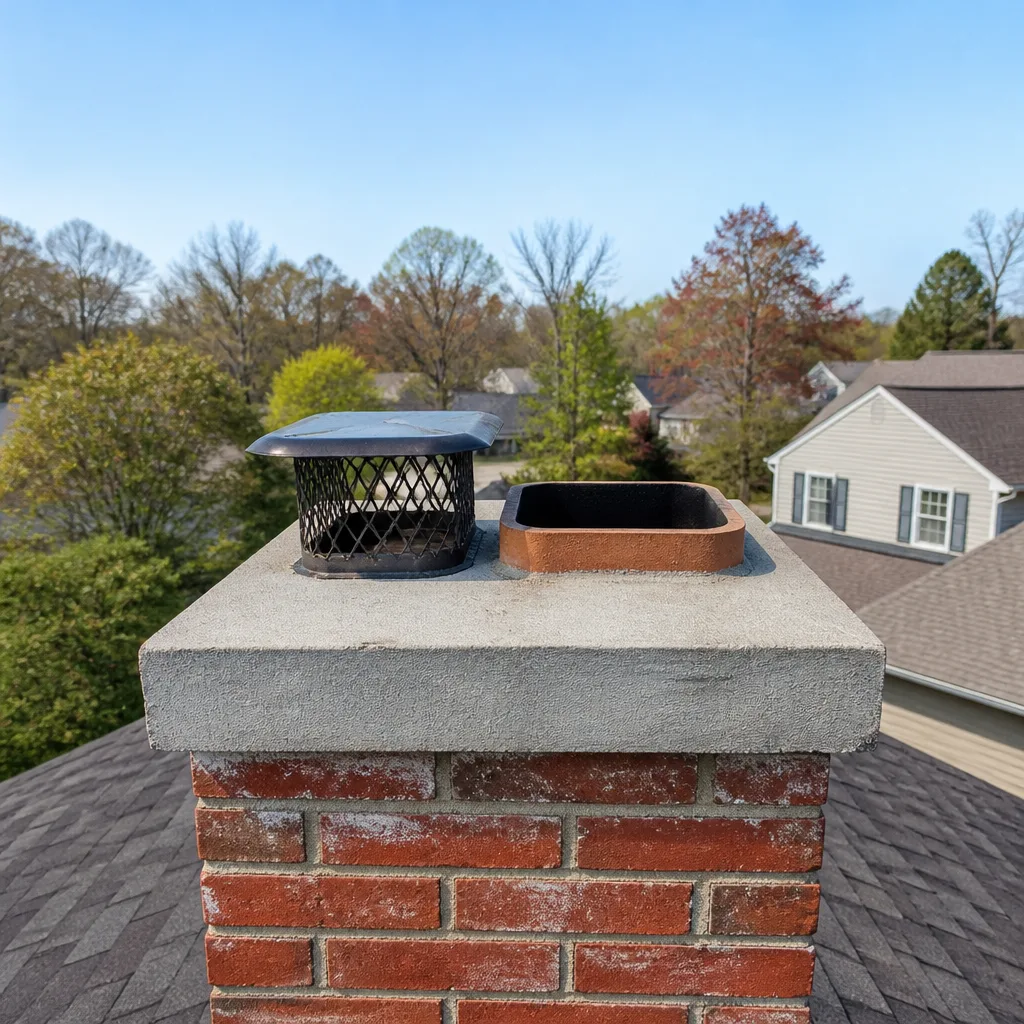 Sweep & inspection
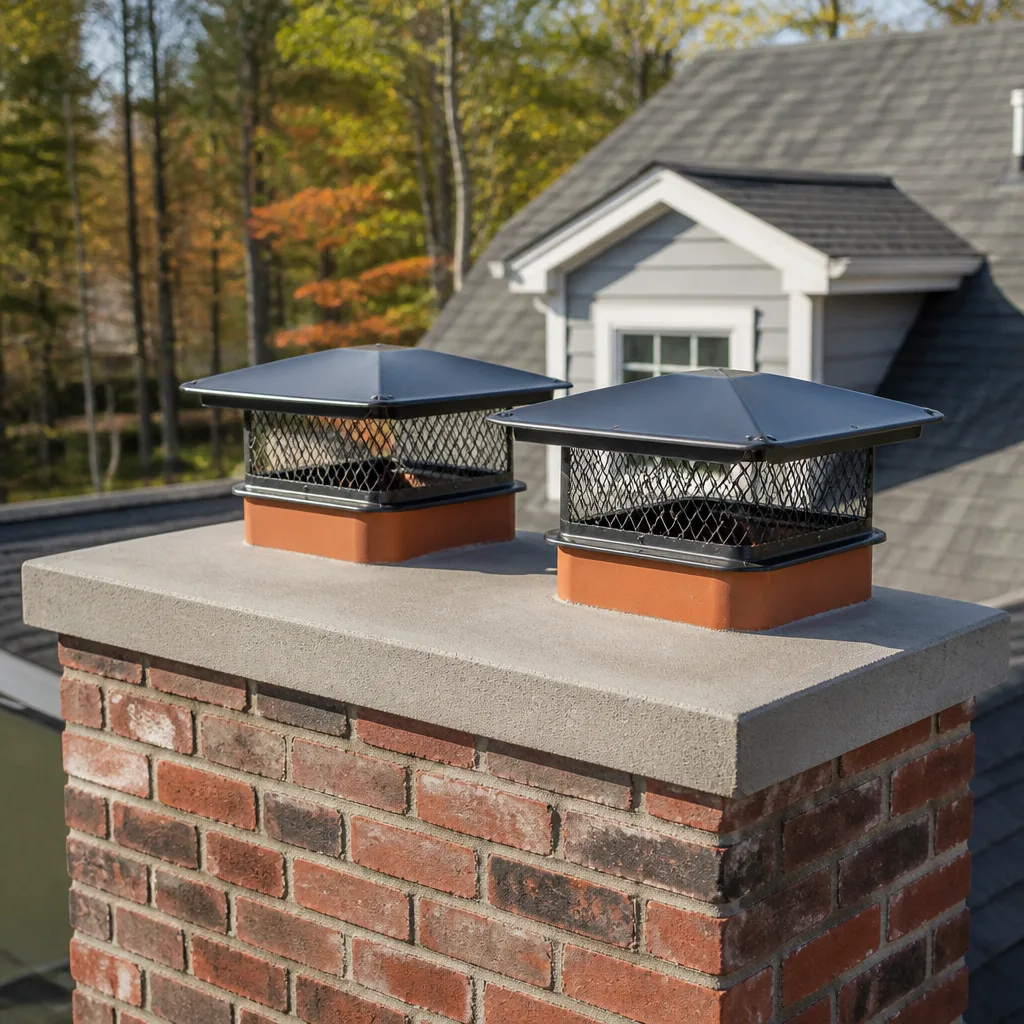 Caps & crowns
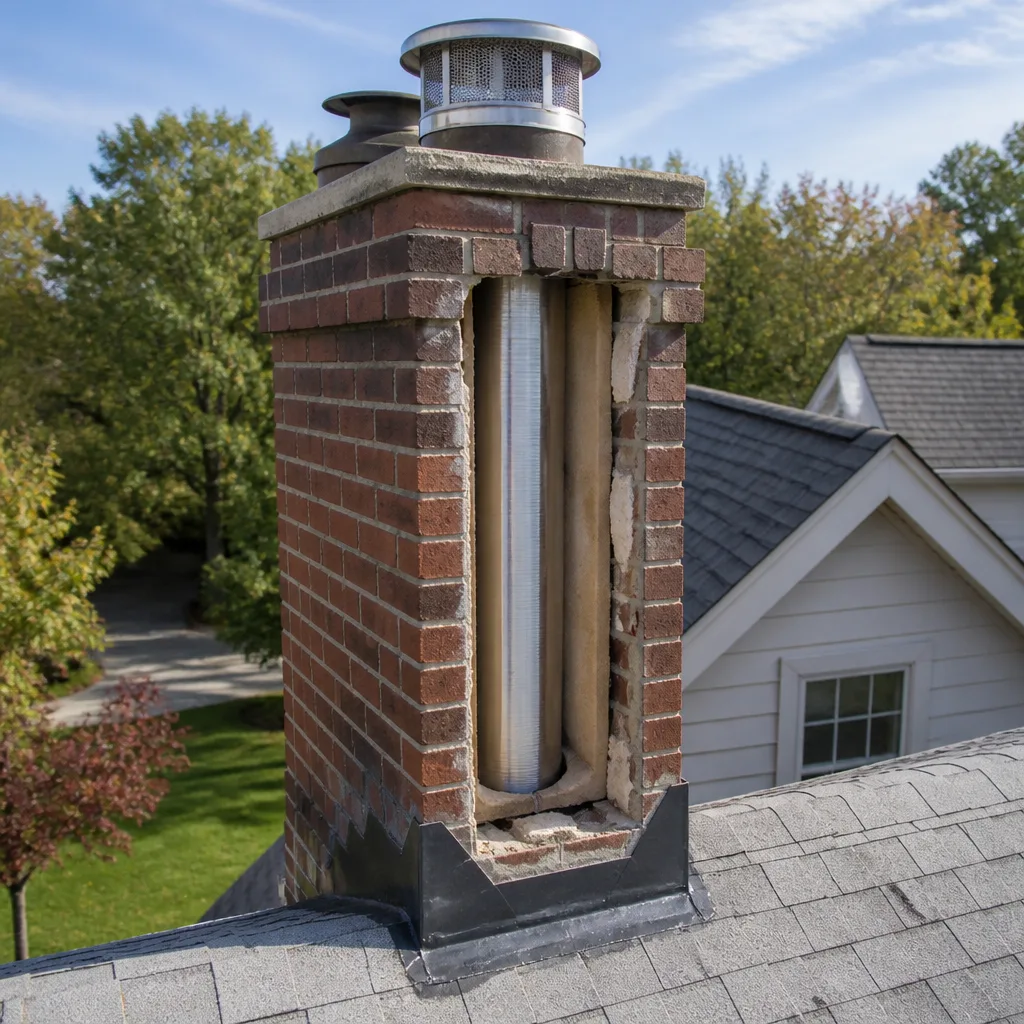 Flue relining
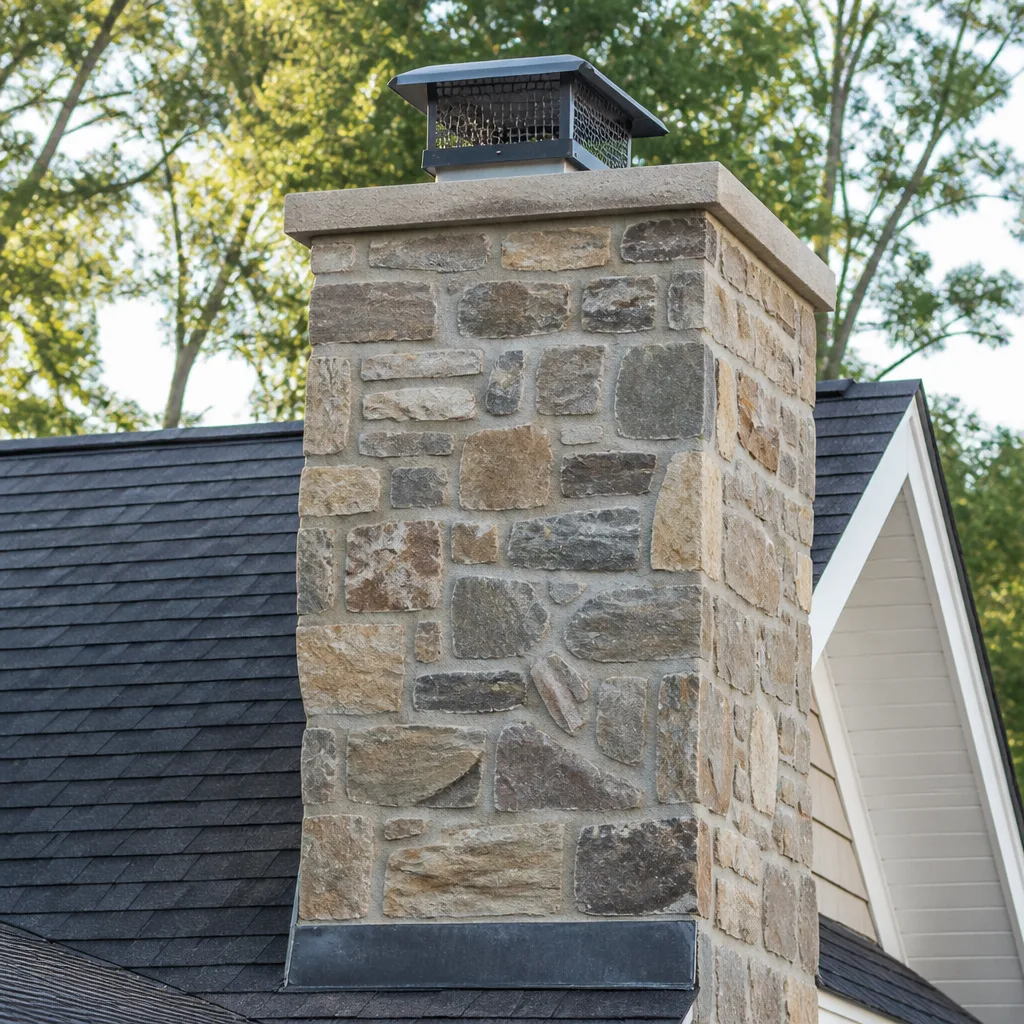 Masonry repair
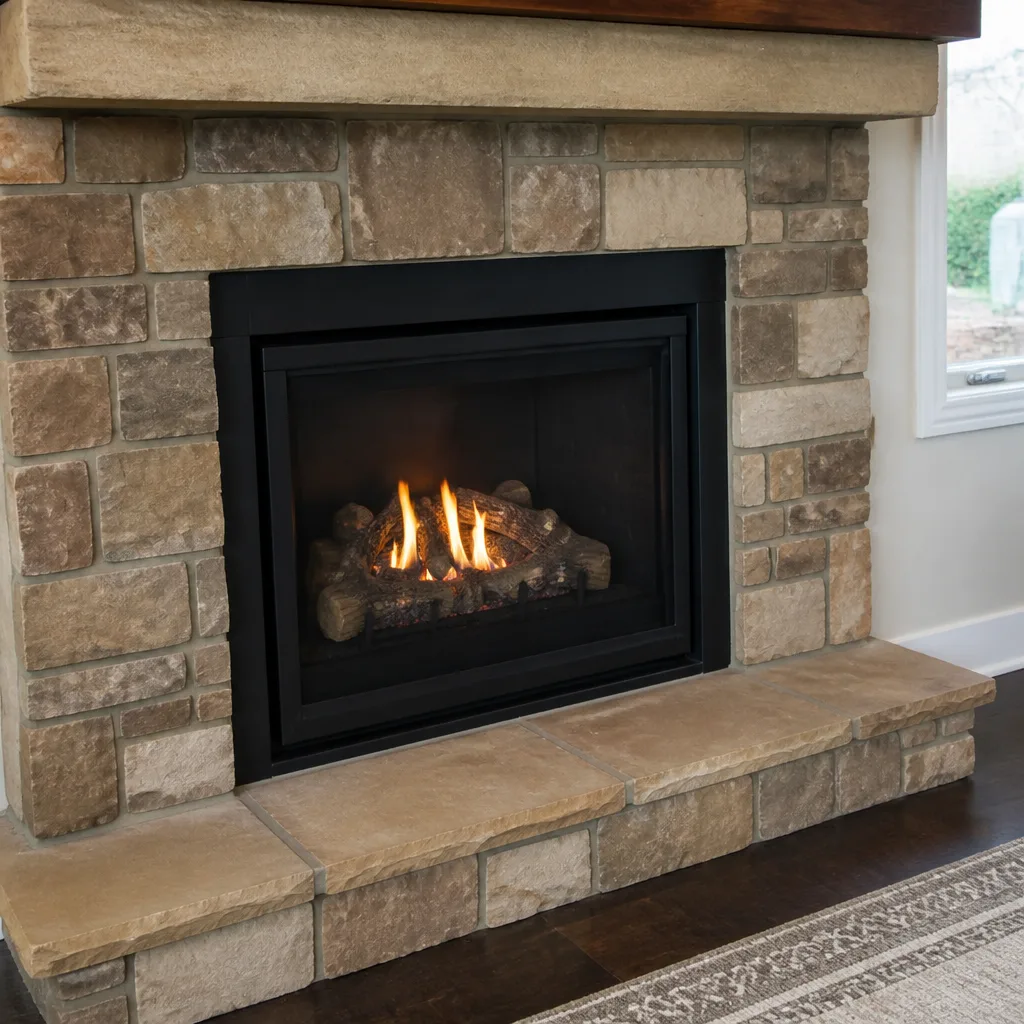 Gas fireplace service
Level 1 sweep and inspection to the NFPA 211 annual standard - flue, crown, cap, and flashing checked and photographed
Chimney sweep logs do not sweep chimneys. They loosen some creosote - which then falls where a brush and vacuum still have to collect it.
Chimney Cleaning Warning Signs: A Dorchester Homeowner’s Reference Guide
Most homeowners assume they’ll know when their chimney needs cleaning because of smoke backing up or a visible layer of soot. But a chimney rarely announces its problems that clearly. Instead, it writes its warnings in small details: a chalky white stain on the brick, a faint smell in a humid week, a draft that’s slightly slower than it used to be. Each of those details points to something specific, and the difference between a straightforward cleaning and a structural repair usually comes down to which symptom is showing. This guide maps those symptoms to their causes, so you can judge what you’re likely dealing with before anyone comes out to look. If you’re in Dorchester and wondering what that stain or smell means, here’s how to read the signs.
Quick Answer
The warning signs of a chimney that needs cleaning fall into four groups: odors (creosote, damp masonry, or combustion gas), smoke behavior (slow draft, back-puffing, spilling), exterior brick damage (efflorescence, spalling, mortar joint wear, a cracked crown), and interior staining or soot buildup. Most of these mean a cleaning or minor repair; three of them, covered below, mean stop using the fireplace and call for same-day help. Dorchester’s freeze-thaw winters make exterior masonry signs worth reading year-round.
Styles & brands we work with
- Sweep & inspection
- Caps & crowns
- Flue relining
- Masonry repair
- Gas fireplace service
Table of Contents
- Symptom-to-Cause Reference Table
- Reading the Three Kinds of Chimney Odor
- What Your Smoke Draft Is Telling You
- Exterior Warning Signs on Dorchester Brick
- Interior Warning Signs: Staining, Soot, and Rust
- The Three Signs That Mean Stop Using the Fireplace
- Judging Urgency: Cleaning vs. Repair
- Common Mistakes to Avoid
- Frequently Asked Questions
Symptom-to-Cause Reference Table
Start here. This table pairs each observable symptom with its likely cause and an urgency level, so you can guess whether you’re looking at a routine chimney sweep or something structural. It’s a starting point, not a verdict. A sweep confirmed with a camera is the only way to know for sure.
- Faint, sour, or smoky smell in warm or humid weather – likely creosote or soot residue in the flue drawing odors back down. Urgency: cleaning, schedule when convenient.
- Musty, earthy, damp smell close to the fireplace wall – likely masonry damp or a water entry point. Urgency: moderate, have it looked at before winter.
- Sharp, acrid, or headache-inducing smell with the fire going – likely combustion gas escaping indoors. Urgency: stop using the fireplace, call same day.
- White chalky stain on exterior brick – efflorescence, from water moving through the masonry. Urgency: moderate, moisture gets worse with freeze-thaw.
- Flaking, crumbling, or peeling brick faces – spalling, the late stage of freeze-thaw damage. Urgency: repair, don’t wait.
- Crumbling mortar between the bricks – joint deterioration, usually from water or age. Urgency: repair.
- Cracked or separated chimney crown – water funneling into the chimney top. Urgency: repair, addressed with chimney cap & crown work.
- Smoke rolling slowly back into the room on lighting – weak draft, often from blockage or an undersized flue. Urgency: inspect before next use.
- Dark staining above the fireplace or on the wall – poor draft or a flue leak pushing soot out. Urgency: moderate.
- Rust flecks or white crust inside the firebox – moisture reacting with the metal components. Urgency: repair, before it spreads.
Reading the Three Kinds of Chimney Odor
Odors are the symptom homeowners most often misread, because three very different problems smell similar to the untrained nose. They are not interchangeable. One means clean, one means repair, and one means danger.
Creosote odor: a cleaning issue
Creosote, the tar-like residue left by wood smoke, holds a sharp smoky smell that comes back into the room most often in warm or humid weather, when pressure shifts and the flue stops drawing upward. If the smell is smoky and sour but the house feels normal otherwise, the flue has likely built up creosote or soot and needs a sweep. This is the routine case, and it’s not dangerous on its own, but creosote is the fuel for chimney fires, so it’s a sign to book the cleaning.
Masonry damp odor: a structural issue
A musty, earthy smell near the fireplace wall is a different signal. It usually means water is getting into the masonry, through a failing crown, a missing or damaged cap, or deteriorated mortar joints. Left alone, that moisture feeds the freeze-thaw cycle that cracks Dorchester’s older brick chimneys. A fireplace repair visit often turns up the water source. If the smell is damp and the wall feels cool or shows staining, treat it as a repair issue, not just a cleaning one.
Combustion gas odor: a safety emergency
Combustion gas isn’t always odorless. A sharp, acrid smell, a headache or nausea when the fire is burning, or a smell you can’t place that appears only with the fireplace in use points to gases not venting properly. Treat any of those as an emergency. Stop using the fireplace, open a window, and call for same-day help. We answer 24/7. Fast dispatch from 7am to 7pm, Sunday through Friday.
What Your Smoke Draft Is Telling You
How smoke behaves on the first minutes after you light a fire is one of the clearest diagnostics a homeowner has. A healthy flue pulls smoke steadily upward. A flue that hesitates, puffs, or spills is signaling a specific blockage or weakness. Here are the three common behaviors and what each points to.
Slow draw
If the fire lights but the smoke drifts lazily upward instead of rushing, the flue is under-drawing. Common causes are a partial blockage (soot, a bird’s nest, a collapsed liner section), a cold flue that needs a few minutes to warm, or a flue that’s undersized for the firebox. A sweep uses a camera to see which. Slow draw that persists fire after fire is a sign to have the flue inspected, not just swept.
Back-puffing
Back-puffing is smoke that puffs out into the room in rhythmic pulses, usually followed by a small pull back up. It often means the flue is too narrow, partially blocked, or the house is under negative pressure from a kitchen fan or a tightly sealed home. In either case, the fix involves checking the flue geometry and the home’s airflow, not just cleaning the box. A back-puffing fireplace is unpleasant and somewhat unsafe, so it’s worth scheduling.
Smoke spilling
Smoke that spills steadily into the room and doesn’t clear is the most serious draft signal. The flue is blocked or the venting is compromised enough that you’re breathing combustion products. If that happens, open a window, let the fire die, and don’t relight until someone qualified has looked at the flue. It’s one of the three signs that mean stop using the fireplace.
Exterior Warning Signs on Dorchester Brick
Dorchester’s housing stock is full of brick chimneys, and its winters run a reliable freeze-thaw cycle: water gets into masonry, freezes, expands, thaws, and repeats. That cycle turns small exterior blemishes into structural problems faster than most homeowners expect. Walk outside and look up. Here’s what to read.
Efflorescence: the white stain
A chalky white stain running down the chimney brick is called efflorescence. It’s the visible evidence that water is moving through the masonry and evaporating on the surface, carrying mineral salts with it. The stain itself is harmless, but what it reveals is not. Water in the brick will freeze in a Dorchester winter and start breaking the material apart. Power-washing the stain off doesn’t solve the cause, it just hides the symptom while the moisture stays. The real fix is finding where water enters: the crown, the cap, or a joint.
Spalling: the flaking brick
Spalling is the stage that follows. Brick faces flake, peel, or crumble away, and the chimney starts losing its skin. Spalling is a repair sign, not a cleaning sign, and it’s the clearest exterior evidence that the freeze-thaw cycle has already damaged the material. It doesn’t reverse itself. The earlier it’s caught, the less masonry has to be rebuilt.
Mortar joints and the crown
Look at the mortar lines between the bricks. Crumbling, recessed, or powdery joints mean the mortar is giving way and water has a new entry point. Then look at the very top, the crown, and the cap above the flue. A cracked crown channels water straight into the chimney interior; a missing or broken cap leaves the flue open to rain, birds, and debris. Crown and cap problems are routine and addressable, but they’re also the source of most of the damage that starts indoors.
Interior Warning Signs: Staining, Soot, and Rust
Some of the clearest signals are inside, where most homeowners don’t look until something smells. Walk the room with the fireplace shut off and check for these.
- Dark staining on the wall above the fireplace or the mantel. Usually poor draft or a flue leak pushing soot out of the firebox. A sign to inspect, not just clean.
- White crust or staining inside the firebox. Often moisture reacting with the metal firebox components, or residue from a draft issue.
- Rust or rust flakes on the damper, the firebox, or a metal liner. Water is getting in. Rust on a liner is a structural concern because a compromised liner can allow heat and gases into the chimney’s framing.
- An uneven or heavyweight layer of soot inside the flue (visible when the damper is open). A sign the flue has built up beyond what a typical season produces, likely creosote that needs sweeping.
- Staining on the ceiling near the chimney or on the chimney breast. Suggests a leak or, in the worst case, a venting problem. Have it checked before the next fire.
Interior signs are often the first indicators that a fireplace has been neglected for a season or more. If you’ve recently bought an older Dorchester home, walk this list on moving day rather than waiting for the first cold night.
The Three Signs That Mean Stop Using the Fireplace
Most of this guide is about judging urgency. This section isn’t. Three symptoms mean stop, without trying to sort out the cause first.
- Smoke or combustion gas spilling into the room and not clearing. Open a window, let the fire die, and don’t relight. Call for same-day help. This is not a wait-and-see.
- A strong acrid odor, headache, dizziness, or nausea when the fire is burning. These are signs combustion gases aren’t venting. Treat them as an emergency. Stop, ventilate, call.
- Visible damage to the flue or firebox: a cracked or collapsed liner section, crumbling firebox brick, or a damper that won’t open or close. Using the fireplace with a broken flue can push heat and gases into framing. Stop using it until a professional has looked.
For any of those three, call (844) 443-4495. We answer 24/7. Fast dispatch from 7am to 7pm, Sunday through Friday. A call outside dispatch hours is booked into the next opening.
Judging Urgency: Cleaning vs. Repair
This is the question behind every symptom above: am I looking at a cleaning, a moderate repair, or a structural job? Here’s how to sort it, in plain terms.
- Cleaning-tier signs: faint creosote odor, soot buildup, slow draw that improves once the flue is swept. These are routine. Book a sweep when convenient, ideally before the heating season.
- Repair-tier signs: efflorescence, damp masonry smell, cracked crown, rust in the firebox, interior staining above the fireplace. These get worse with Dorchester’s freeze-thaw winters and are worth addressing before cold weather sets in. These often involve the cap and crown or a liner repair. HeatShield resurfacing can rehabilitate an aging liner without full replacement, and a DuraFlex liner can restore the flue when the original is compromised.
- Structural-tier signs: spalling brick, crumbling mortar joints, a collapsed liner section, a firebox that’s cracked or crumbling. These need masonry or structural repair. Acting early generally means less work and less cost than waiting for the damage to spread.
In our experience, the symptoms that look like cleaning issues and turn out to be repairs are usually the moisture ones: the efflorescence, the damp smell, the rust. Those don’t fix themselves. And that’s not a sales point; it’s a timing point. The earlier you look, the less structural work follows.
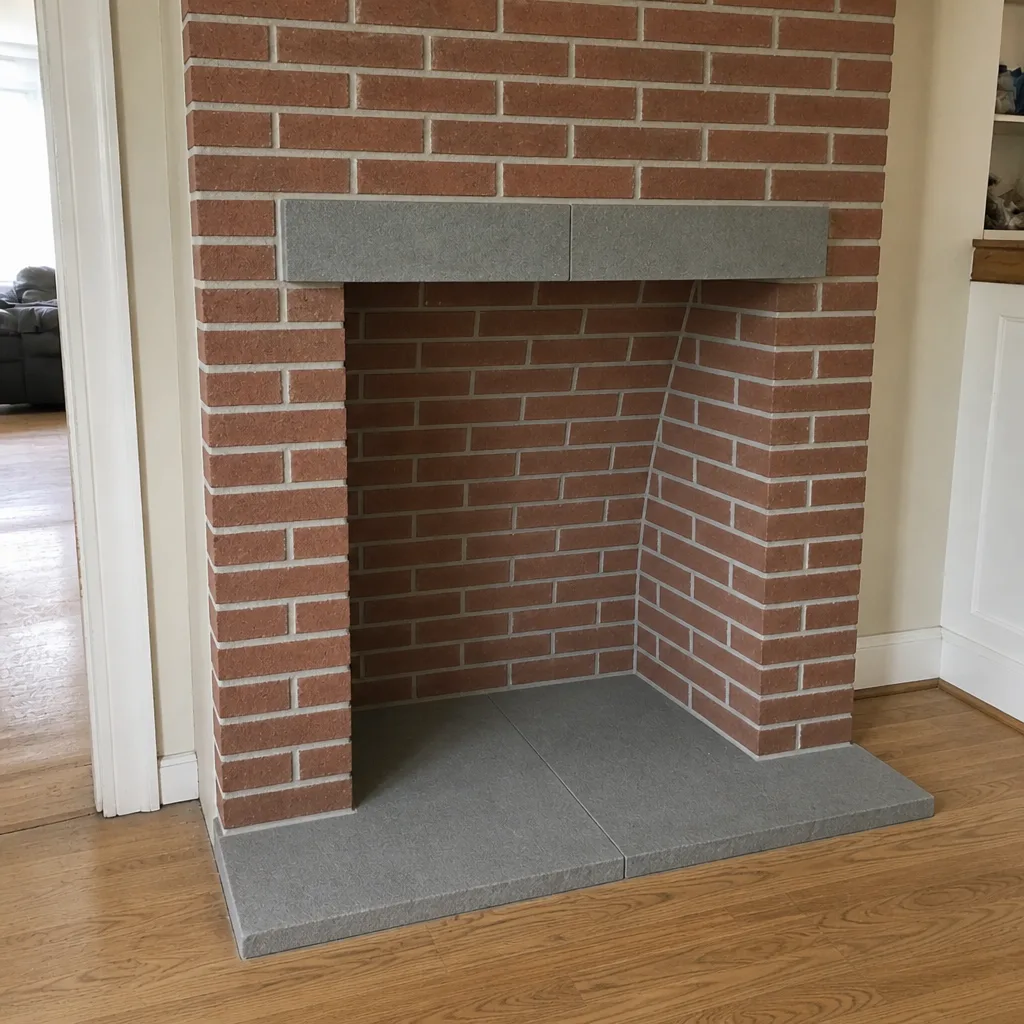
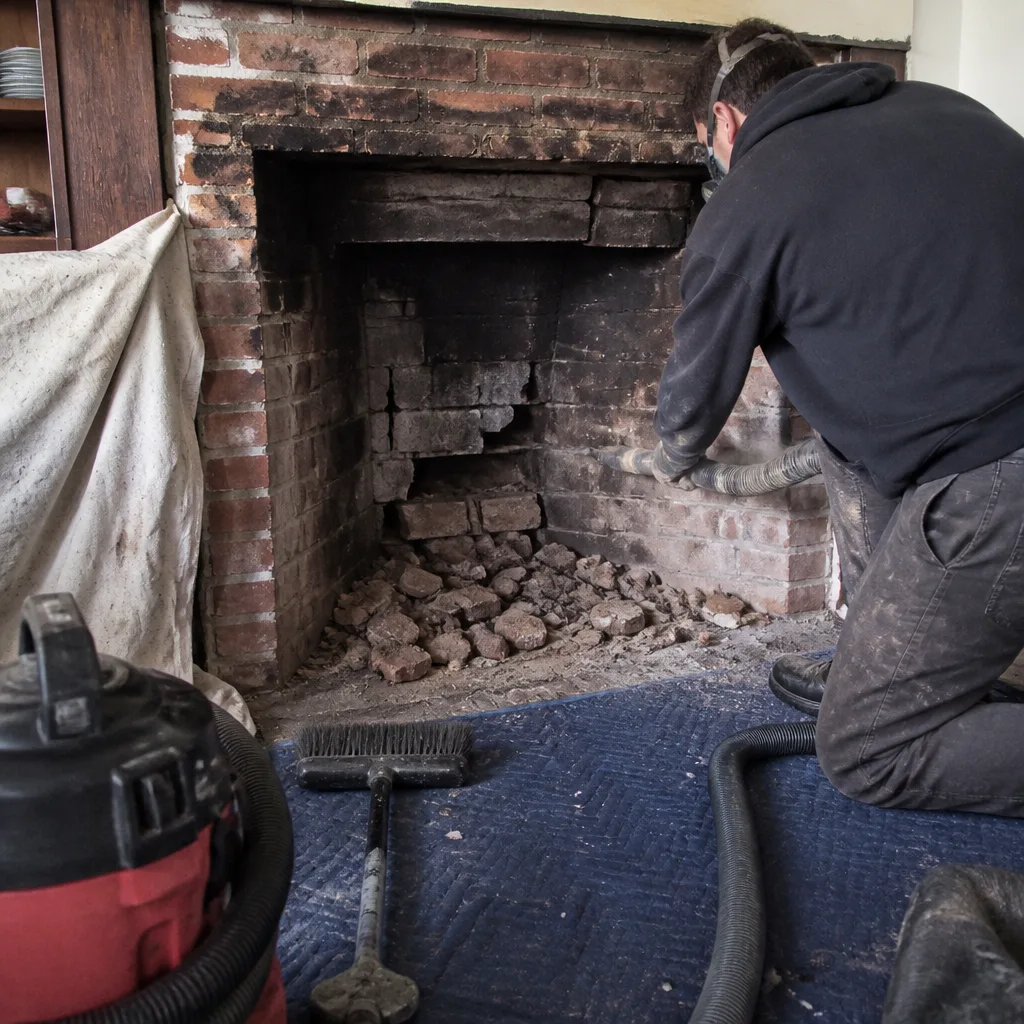
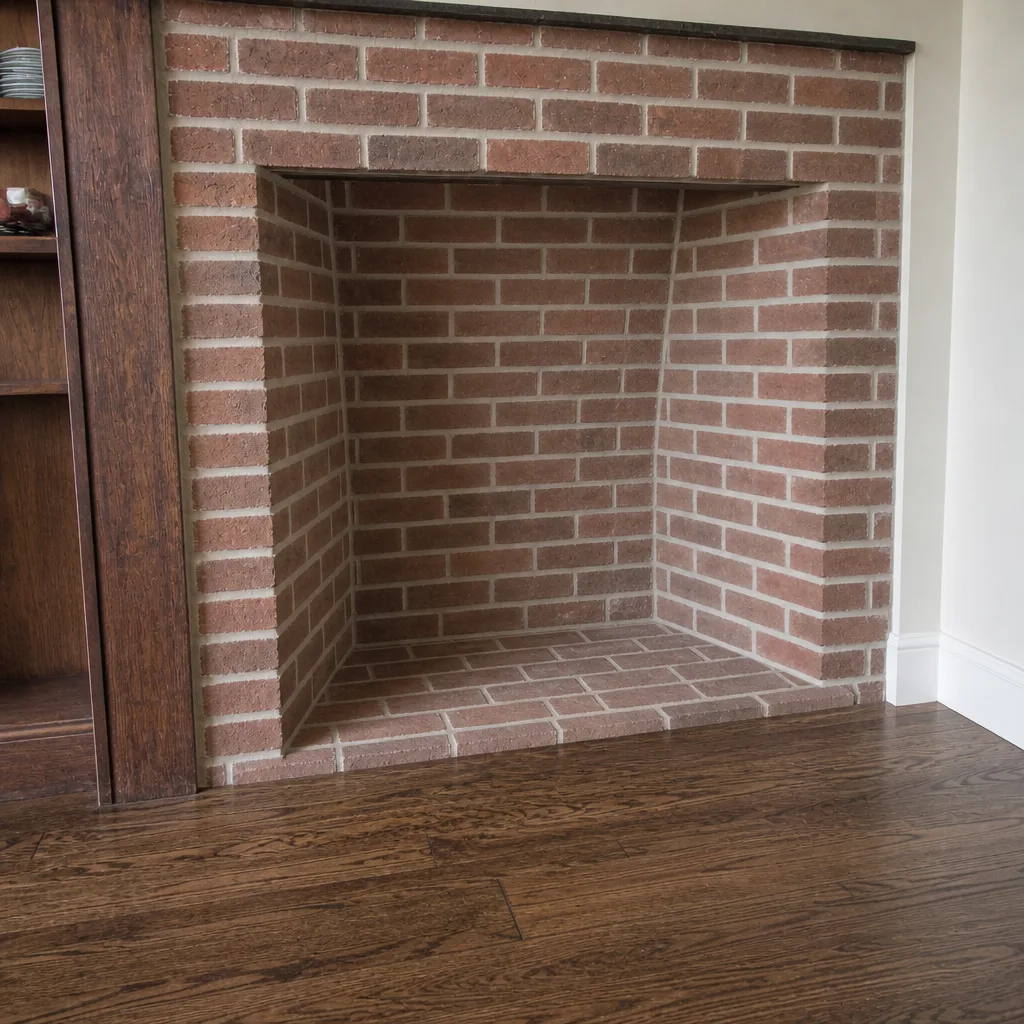
See the difference
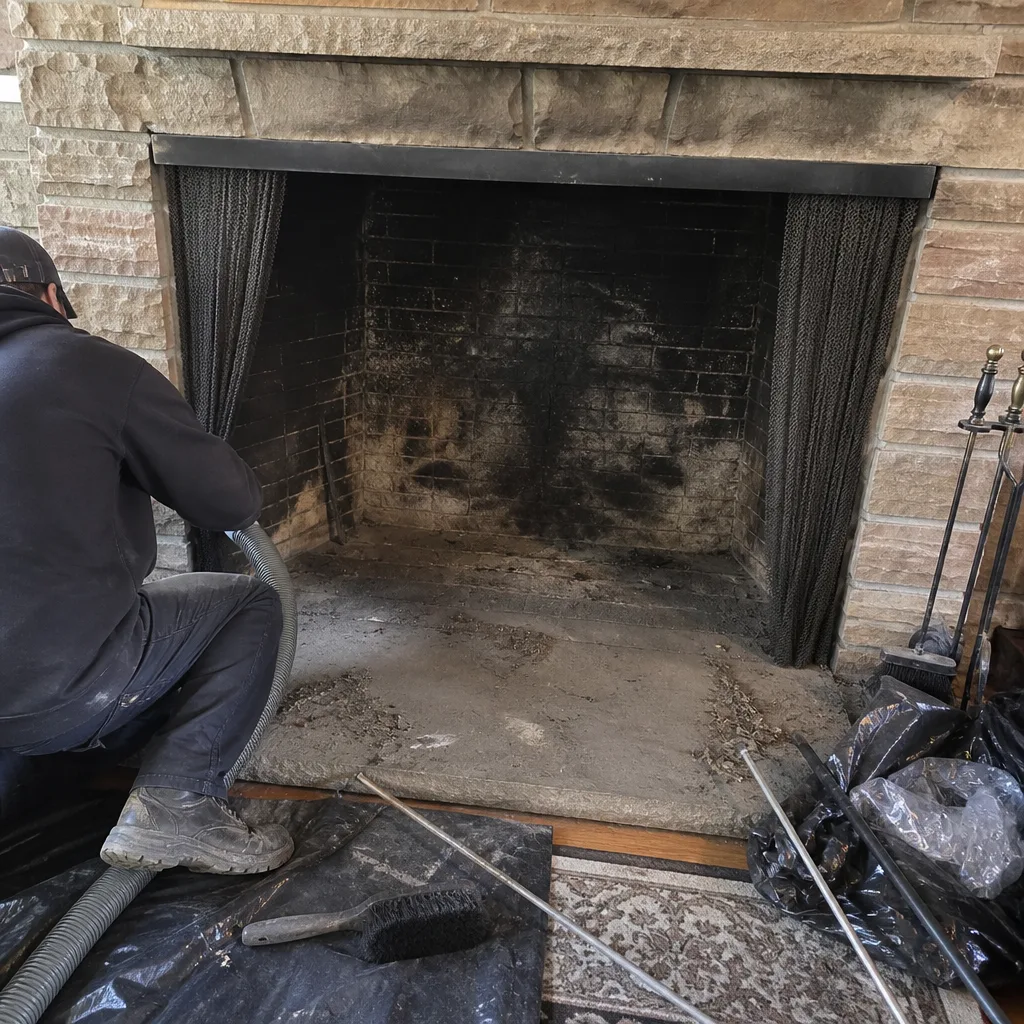 Before
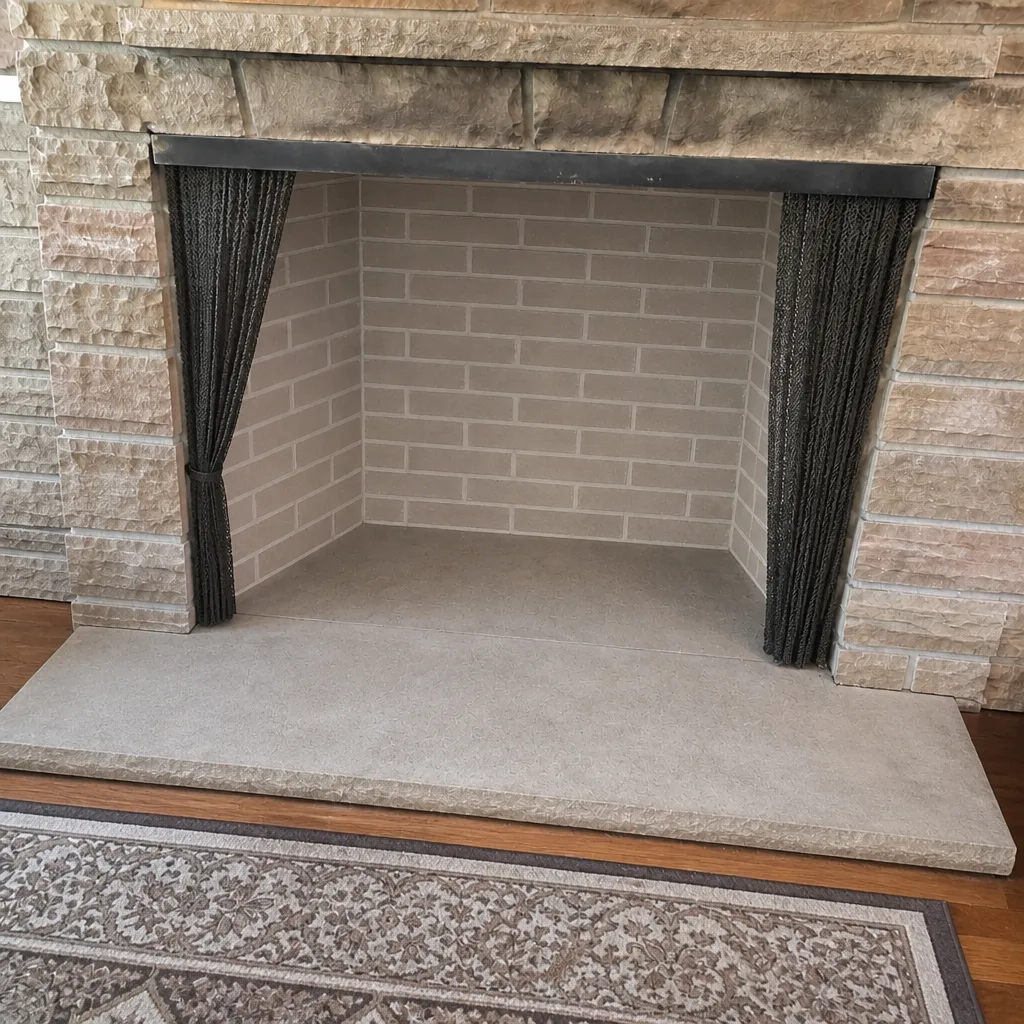 After
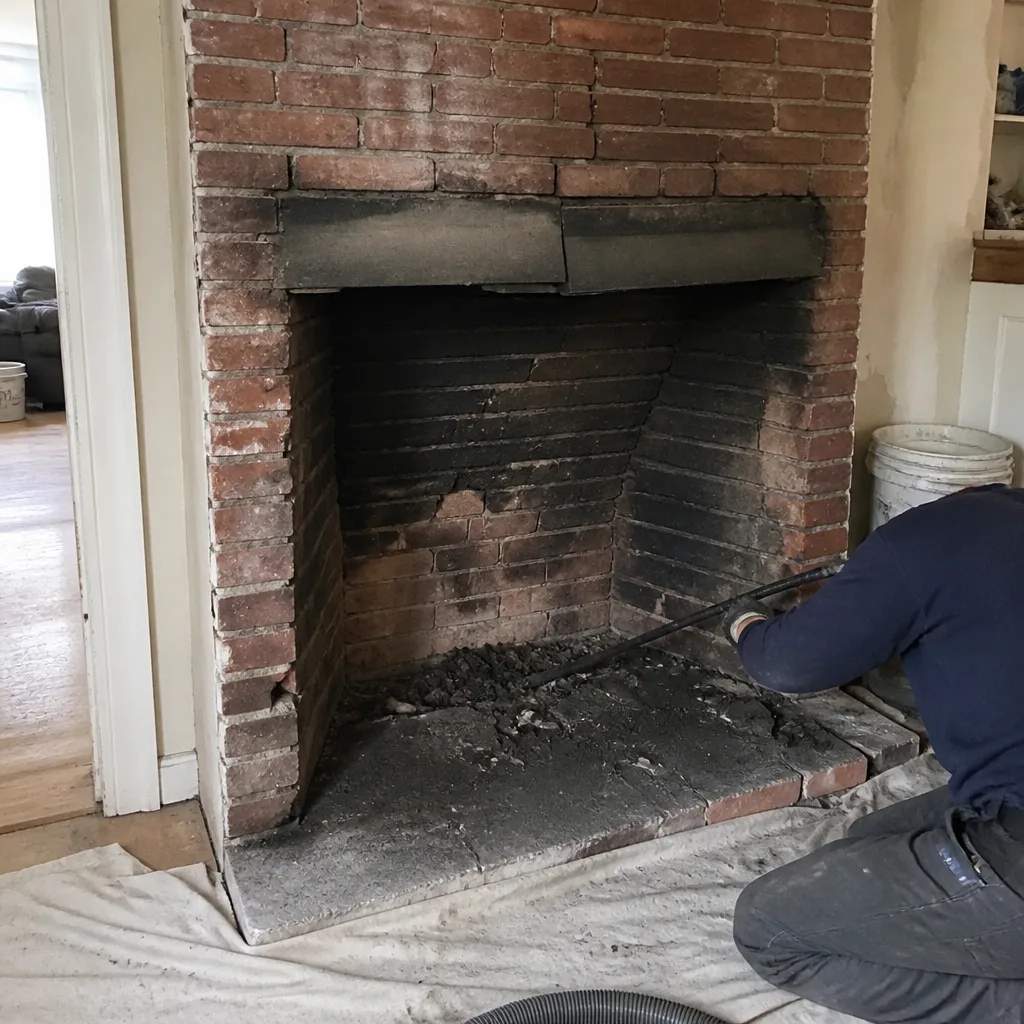 Before
 After
 Before
 After
How a Chimney Sweep Actually Diagnoses These Signs
It helps to know what to expect when someone comes out, because it tells you whether your symptom list is being taken seriously. A proper sweep follows a sequence.
- Walk the exterior first. Inspecting the crown, cap, brick faces, and mortar joints establishes whether there’s a moisture or masonry issue before anything inside is touched.
- Inspect the firebox and damper. Checking for staining, rust, and movement confirms whether the fireplace itself is sound.
- Run a camera through the flue. A camera confirms creosote level, liner condition, and blockage that can’t be seen by eye.
- Check the flue for draft and venting. This connects the smoke behavior you’ve observed to an actual cause in the flue system.
- Report the findings with photos. You should see what the technician saw.
That last point matters. A homeowner’s real hesitation is being told they need a costly liner or masonry job they have no way to verify. Nothing should be recommended without camera evidence you can see for yourself, and we tell you plainly when work can safely wait. Our chimney inspection is offered as a standalone service, so you can get an honest condition report independent of any repair sale.
Common Mistakes to Avoid
- Power-washing efflorescence off the brick and calling it solved. The stain is a symptom of water in the masonry. Cleaning the surface without finding the water source just lets the damage continue through a Dorchester winter.
- Assuming all odors are the same. Creosote smell, damp masonry smell, and combustion gas smell mean three different things, from routine cleaning to an emergency. Treating them as one problem delays the right response.
- Relighting after smoke spills because the fire “downs out.” Smoke that spills and won’t clear is a stop sign. Open a window, let it die, and don’t relight until the flue has been checked.
- Waiting for visible soot before scheduling a sweep. Creosote that causes a chimney fire usually isn’t visible from the firebox. The smell and the soot pattern in the flue are better indicators, which is why a camera inspection matters.
- Ignoring rust inside the firebox. Rust points to water getting in. On a metal liner it’s a structural concern, not just a cosmetic one.
- Hiring a general handyman for chimney work. Chimneys are a single-trade job. A generalist dabbling in chimney work won’t carry the professional-grade parts and the specific system knowledge it requires. We work with professional-trade brands like HeatShield, DuraFlex, Olympia Chimney, and Gelco for that reason; the same brands industry pros specify.
- Skipping the inspection because you just want a cleaning. A standalone inspection isn’t a setup tactic. It’s the only honest way to know whether your symptoms are a cleaning issue or something larger.
When to Call a Professional
Call for a sweep when any cleaning-tier sign appears, when it’s been a season or more since the last cleaning, or when you’ve moved into an older Dorchester home and don’t know the chimney’s condition. Call for a repair visit when you see efflorescence, spalling, a cracked crown, rust or damp smells. And call same-day for any of the three stop-and-call signs: smoke spilling and not clearing, acrid gas smell with dizziness or headache, or visible flue or firebox damage. If you’re unsure which category you’re in, calling is the right move; a short conversation usually sorts it. Chimney Sweep Dorchester offers free estimates in Dorchester. Call (844) 443-4495.
Frequently Asked Questions
The most common are a smoky or sour odor in warm weather, visible soot buildup, slow draft or back-puffing when a fire is lit, and a chalky white stain on the exterior brick. In Dorchester, the exterior signs show up faster than people expect because the freeze-thaw cycle accelerates moisture damage. Any one of those is reason enough to schedule a sweep, and a camera inspection confirms what’s underneath. Call (844) 443-4495 for a free estimate.
Creosote odor smells sharp and smoky, often strongest in warm or humid weather. A masonry damp smell is musty and earthy and usually sits near the fireplace wall. Combustion gas has a third, acrid smell, often with a headache or dizziness when the fireplace is in use. Creosote means clean, damp means repair, and combustion gas means stop and call. Call (844) 443-4495 for an honest check.
No. A white chalky stain is efflorescence, which means water is moving through the masonry. It’s a repair and moisture issue, not a cleaning one. Power-washing it off doesn’t fix the cause. The real fix is finding where the water enters, often the crown or a mortar joint. Call (844) 443-4495 to have it assessed.
A chimney used regularly for wood fires should be swept roughly once a season, or when you begin to see or smell the signs above. A gas fireplace doesn’t build creosote the same way, but its venting still needs checking. In an older Dorchester home where the service history is unknown, treat the first visit as a sweep plus inspection. Call (844) 443-4495 to book one.
Creosote builds up in the flue and becomes the fuel for a chimney fire. A draft problem that’s ignored can push combustion gases into the room. Moisture issues that go unaddressed turn into spalling brick and structural repair. Skipping a cleaning doesn’t usually cause a visible problem at first, which is why the signs matter. Call (844) 443-4495 for an honest assessment with camera evidence.
Book before the heating season starts. Late summer and early fall are ideal, so any moisture or masonry issue found can be addressed before the first freeze. In Dorchester, the earlier in the year you book, the more time there is to handle a repair before you need the fireplace. Call (844) 443-4495. We answer 24/7. Fast dispatch from 7am to 7pm, Sunday through Friday.
The Bottom Line
The value of reading your chimney’s signs is timing. A smoky odor, a slow draft, a chalky stain, a rust fleck in the firebox: each tells you something specific, and the earlier you act, the smaller the problem stays. Dorchester’s winters make the moisture signs especially worth watching, because water plus freeze-thaw turns a minor crown crack into damaged brick faster than most people expect. Cleaning-tier signs are routine. Repair-tier signs get worse with time. And the three stop-and-call signs are not negotiable. Nothing should be recommended to you without camera evidence you can see, and it’s fair to ask for it. When you’re ready, one call covers it all: from the annual sweep to the full liner help if you need it.
Call (844) 443-4495 for a free estimate. We answer 24/7. Fast dispatch from 7am to 7pm, Sunday through Friday.
Written by the team at Chimney Sweep Dorchester.