
Last updated November 22, 2026
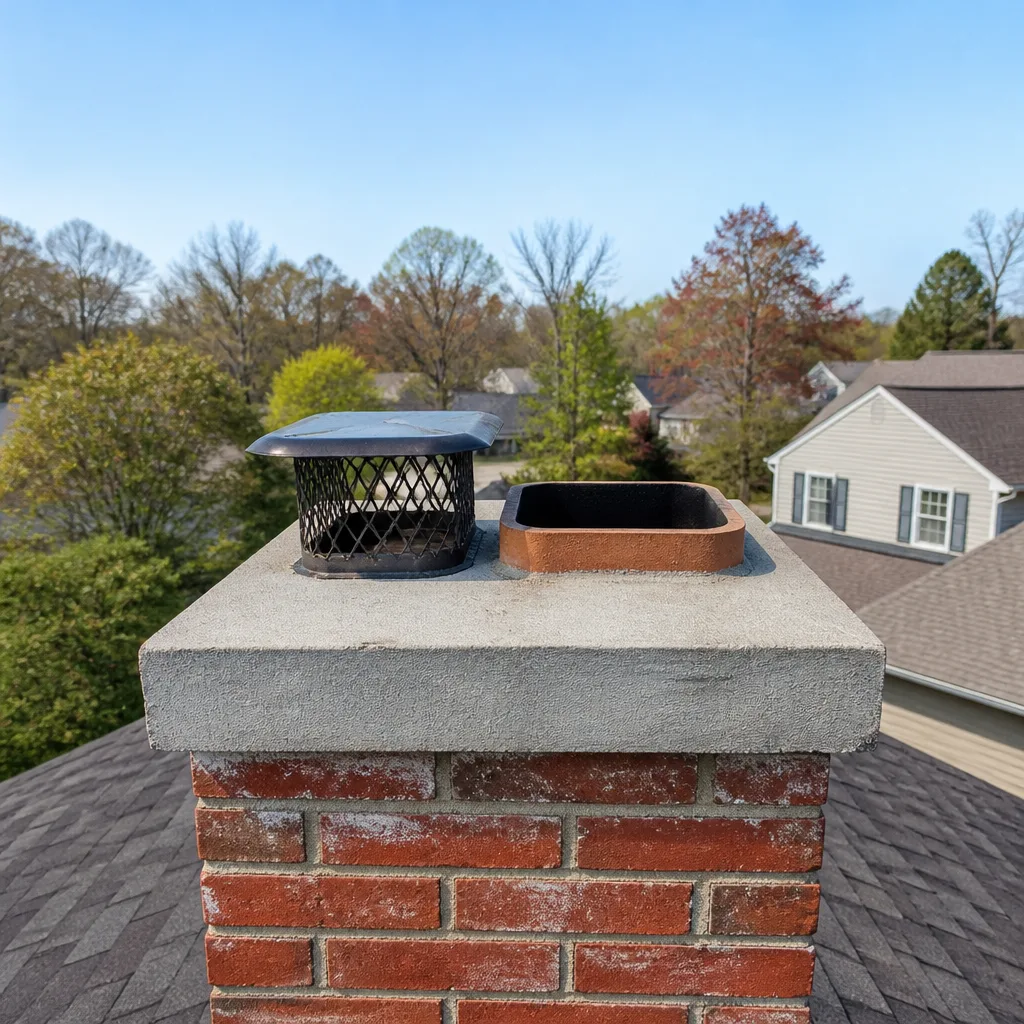 Sweep & inspection
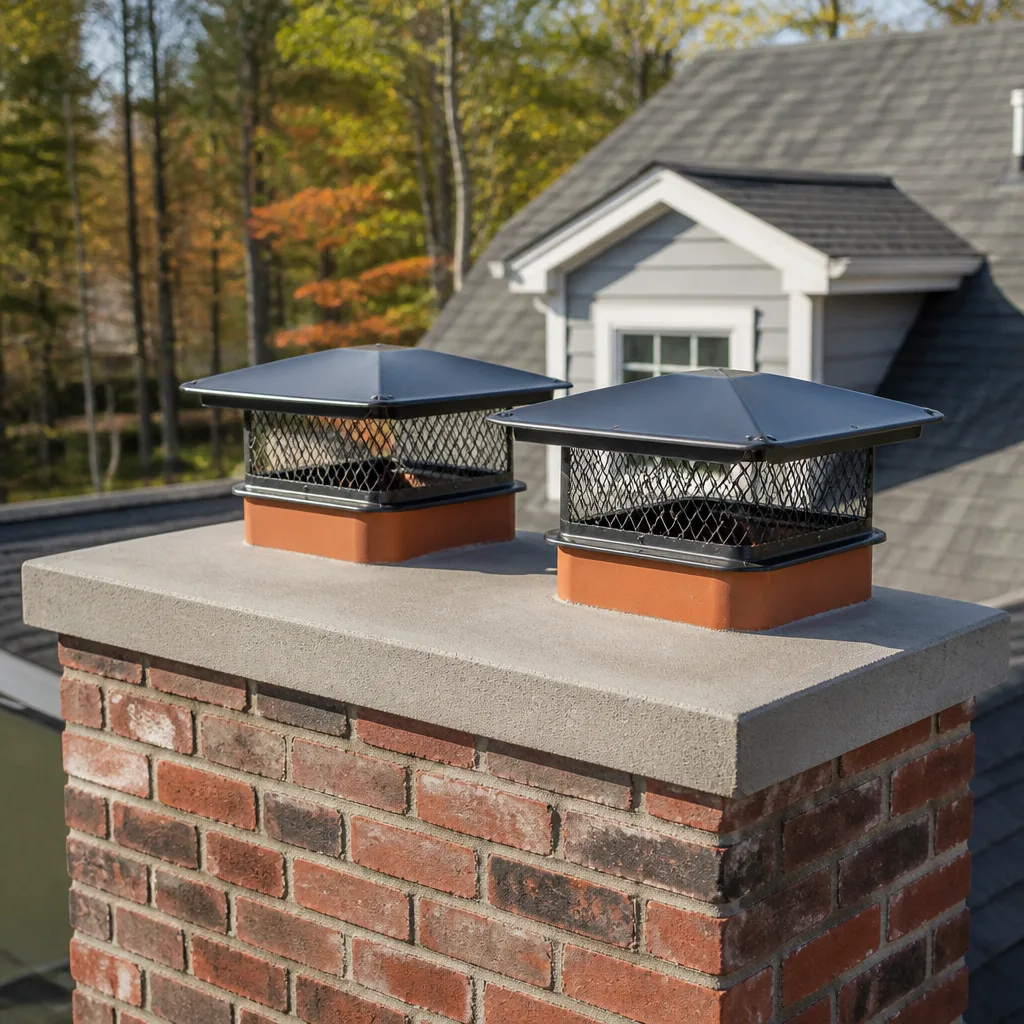 Caps & crowns
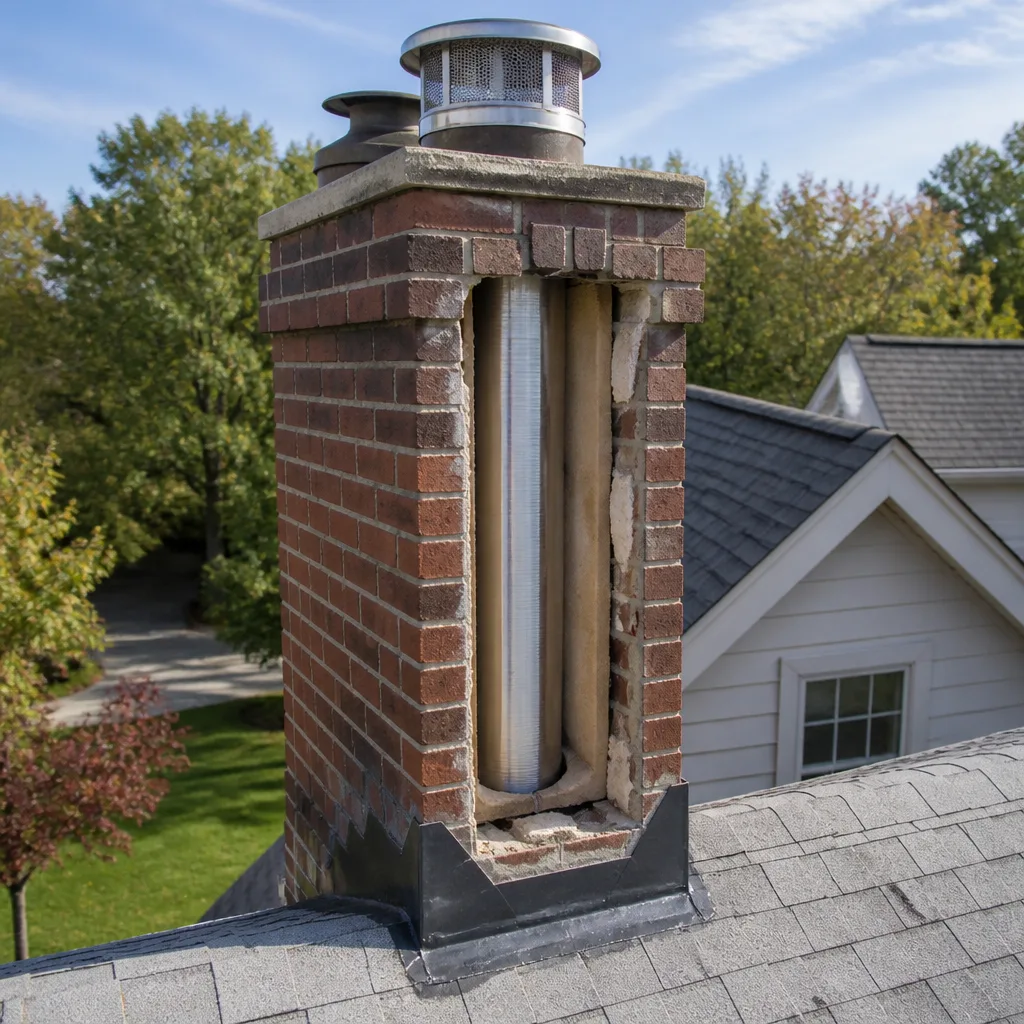 Flue relining
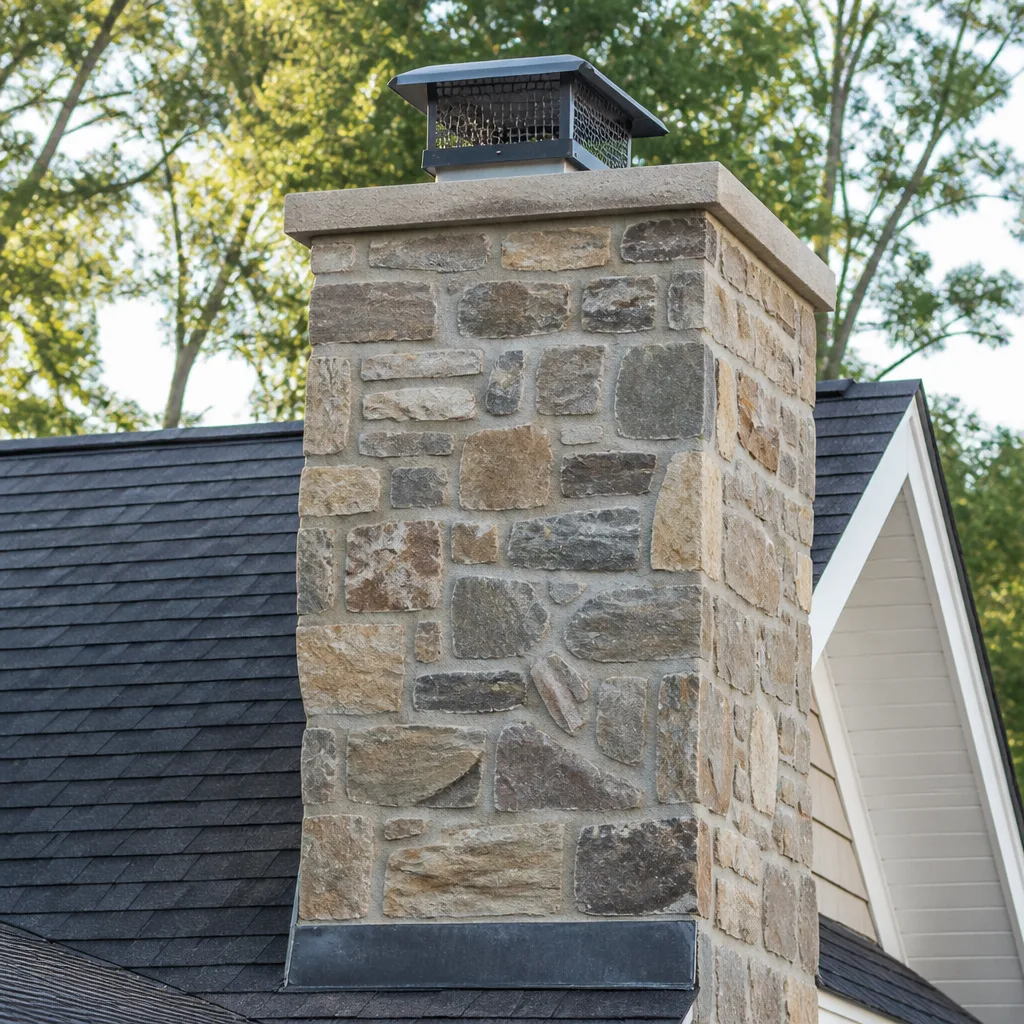 Masonry repair
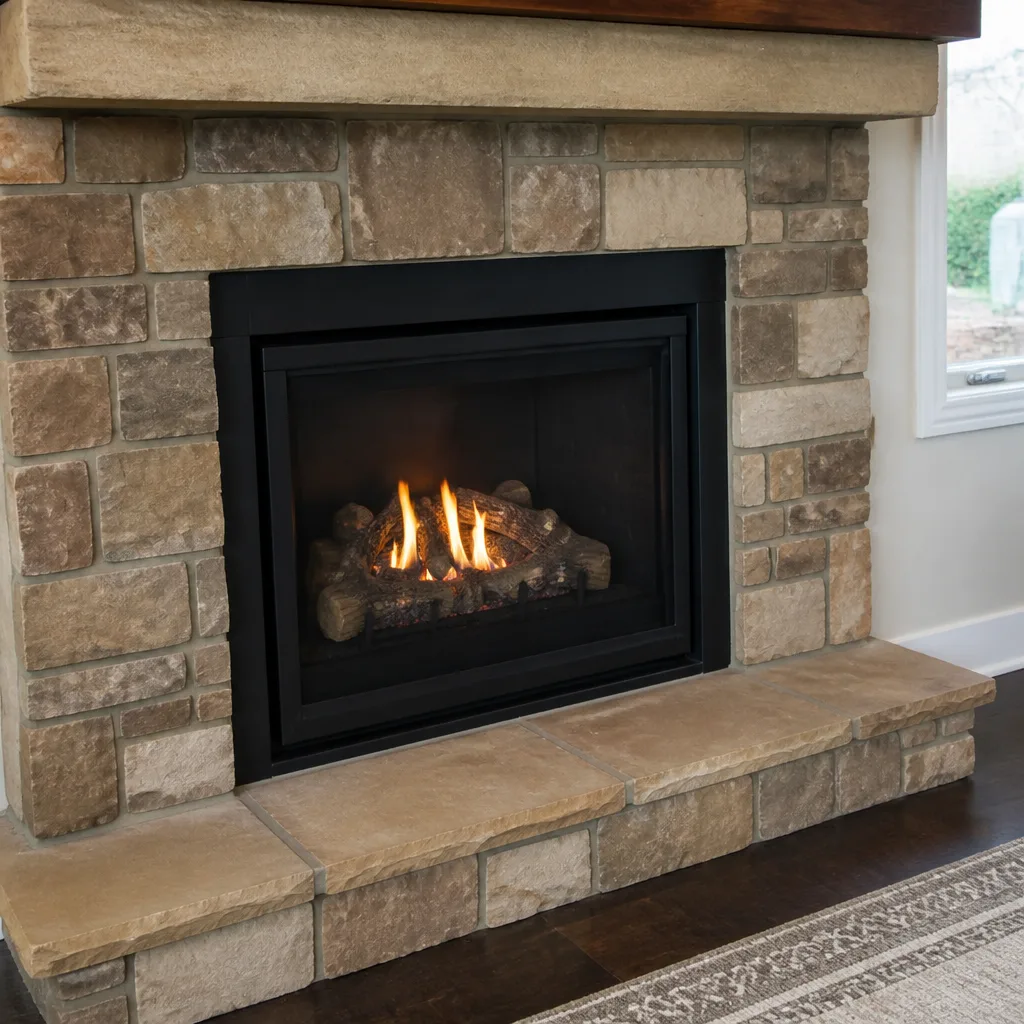 Gas fireplace service
Level 1 sweep and inspection to the NFPA 211 annual standard - flue, crown, cap, and flashing checked and photographed
Chimney sweep logs do not sweep chimneys. They loosen some creosote - which then falls where a brush and vacuum still have to collect it.
Chimney Cleaning Permits, Codes & Inspections in Dorchester, MA: What You Need to Know
Here’s the part that catches most Dorchester homeowners off guard: the cleaning itself is the easy side of the paperwork line. A standard sweep is routine maintenance and needs no permit at all. But when that sweep turns up a cracked or deteriorated liner and the conversation shifts to relining, you’ve crossed into permitted-work territory governed by the Massachusetts State Building Code and administered locally by Boston’s Inspectional Services Department. The jump isn’t small, and it’s exactly where confusion, unpermitted work, and insurance headaches begin. This guide maps that line clearly: what needs a permit, what needs an inspection, how NFPA 211 interacts with Massachusetts rules, what to keep for resale, and the code violations we find most often during Dorchester chimney inspections.
Quick Answer
Routine chimney cleaning in Dorchester requires no permit. Any structural or system change does: relining, cap and crown replacement that alters the flue termination, firebox or damper reconstruction, and chimney repair that touches the structure. Those jobs need a City of Boston building permit pulled through Boston’s Inspectional Services Department, and the work should meet both NFPA 211 and the Massachusetts State Building Code. An annual inspection needs no permit and is the smartest way to know where your chimney actually stands.
Styles & brands we work with
- Sweep & inspection
- Caps & crowns
- Flue relining
- Masonry repair
- Gas fireplace service
Table of Contents
- Where the Permit Line Falls in Dorchester
- Massachusetts State Building Code and Your Chimney
- How NFPA 211 and Massachusetts Code Interact
- Boston ISD: Permits, Inspections and Timelines
- Common Code Violations Found in Dorchester Chimneys
- What Documentation to Keep After Chimney Work
- Inspection vs. Sweep: Which One Do You Need?
- Chimney Code and a Dorchester Home Sale
Where the Permit Line Falls in Dorchester
The cleanest way to think about it: cleaning is maintenance, and maintenance doesn’t require a permit. Repairing or altering the venting system is construction, and construction does. Most homeowners don’t realize how much sits on the construction side until a technician hands them a report.
In our experience across Dorchester’s triple-deckers, older colonials, and converted multi-families, the confusion is almost always about the relining recommendation. A sweep finds a compromised clay tile liner, and suddenly the job has moved from a $150 – $300 cleaning into $3,000 – $6,000 of permitted liner work. That’s not a sales tactic; it’s a genuine code boundary. A deteriorated liner is a fire and carbon monoxide pathway, and a new liner is a permanent alteration to the chimney system.
On the no-permit side of the line:
- Routine sweeping and creosote removal
- A standalone inspection, including a camera inspection with a photo report
- Minor cap or crown repairs that don’t change the flue’s dimensions or termination height
- Damper adjustments that don’t involve reconstruction
On the permit side of the line:
- Relining a flue, whether with a stainless system such as DuraFlex or a resurfacing method such as HeatShield
- Replacing or substantially rebuilding a chimney crown
- Firebox or smoke chamber reconstruction
- Any structural chimney repair, including repointing that affects the flue’s integrity
- Adding, capping off, or reconfiguring a flue or vent connection
The cost difference is the reason this matters. A cleaning you can book on a handshake. A relining job is where a permit, an inspection, and documentation protect the value of your home. If you’re unsure which side of the line your chimney is on, an inspection answers that before any work begins.
Massachusetts State Building Code and Your Chimney
Massachusetts adopts the model building code through 780 CMR, the Massachusetts State Building Code, with local amendments layered on top. The chimney-relevant provisions sit in the sections covering masonry fireplaces, factory-built fireplaces, venting, and chimneys, and they establish when a chimney system counts as a legal, code-compliant installation. The practical effect for a Dorchester homeowner is simple: any alteration to the venting system has to be designed and installed to code, and that’s the trigger for a permit.
What trips people up is that code compliance isn’t only about the visible chimney. A permitted relining job has to account for clearances to combustibles, the condition of the surrounding masonry, the flue’s sizing relative to the appliance, and the termination at the top. In Dorchester’s older housing stock, those clearances are often the hidden issue: a chimney built a century ago may pass a visual check but fail on the clearance between the flue and the wood framing it runs past.
We work exclusively on chimneys, so we’ve watched how the code plays out in real buildings rather than on paper. A few things that consistently come up:
- Masonry chimneys need a properly sized flue with an intact liner; a deteriorated clay tile liner fails the requirement even if the chimney looks fine from the outside.
- Factory-built fireplaces and their venting must follow the manufacturer’s listed instructions, which the code treats as part of the requirement.
- Chimney height and termination rules govern where the flue must end relative to the roof, and a cap replacement that changes that height is a permitted change.
- Crown and flashing work that affects water shedding and structural attachment falls under the structural provisions.
Because the code provisions sit behind a permit and inspection process, the safest path for a Dorchester homeowner is to ask two questions before any chimney repair: does this work need a permit, and will the finished job be inspected. A professional-grade liner system installed correctly will pass both. A consumer-grade substitute often won’t.
How NFPA 211 and Massachusetts Code Interact
NFPA 211 is the national standard for chimneys, fireplaces, vents, and solid-fuel-burning appliances. It’s not the law itself, but it’s the technical backbone that building codes, insurers, and inspectors lean on. Where NFPA 211 and the Massachusetts State Building Code align, they usually point the same direction: chimneys need proper clearance from combustibles, a suitable liner, adequate height, and a cap to keep water and animals out. Where Massachusetts is more stringent, it’s typically in the enforcement: the state code turns those standards into a permit and inspection requirement that a homeowner can’t skip.
For a Dorchester homeowner, the practical takeaway is that meeting NFPA 211 is the floor, not the ceiling. A chimney that satisfies NFPA 211 in principle can still fail a Massachusetts permit inspection if the installer didn’t account for local amendments, clearance measurements, or listed-instruction requirements.
A few points where the standard and the code meet your checkbook:
- Clearances. NFPA 211 spells out the distance a chimney must keep from combustible framing. In Dorchester’s older wood-frame and balloon-framed houses, those clearances are frequently the reason a relining job needs more than a liner.
- Liner integrity. Both the standard and the code require a sound, continuous flue liner. A HeatShield resurfacing job can restore a deteriorated clay liner to a sound condition and bring it into compliance without full replacement.
- Height and termination. The 3-2-10 rule for chimney height comes from this standard family and is mirrored in the code; a cap or crown change that alters the flue termination has to honor it.
- Venting components. Connectors and venting accessories from makers like Famco and Copperfield are specified because they meet recognized standards for the application, which is the kind of detail a permit inspection looks for.
When we specify a liner system, we pick from brands that professionals and inspectors already know. That documentation trail is part of the value: it helps the work pass an inspection and helps you prove compliance later.
Boston ISD: Permits, Inspections and Timelines
Boston’s Inspectional Services Department (ISD) is the authority that issues building permits for chimney work inside the city, and Dorchester falls under its jurisdiction. For a chimney relining or structural chimney repair, the permit is filed by the contractor, and the work is inspected before it’s signed off. The timeline in 2026 depends on the scope and completeness of the application; a clean, well-documented filing typically moves through faster than one that needs corrections.
The process generally runs like this:
- Inspection and scope. A chimney inspection documents the condition of the liner, masonry, crown, and clearances, with a camera inspection and a photo report included.
- Permit application. The contractor files for a City of Boston building permit through ISD, describing the work and the materials.
- Review. ISD reviews the application and may request additional detail. This is where a permit with unclear material specs or missing clearances can stall.
- Installation. The permitted work is performed to the approved scope: a DuraFlex liner system, HeatShield resurfacing, crown repair, or whatever the report established.
- Inspection. The completed work is inspected, and the permit is closed out. You should keep the signed-off permit and inspection records.
If you’re working with a real-estate transaction, the timing matters. An inspection and report is the fastest piece and doesn’t require a permit at all. The permit work is what takes longer, which is why buyers and sellers benefit from knowing the chimney’s condition early rather than at the final walkthrough.
The one thing we’d push you to ask any contractor: is the permit in your name or theirs, and will the final inspection be on record. Unpermitted relining is the single most common problem we find when we inspect after a previous “repair.” It’s also the one that can follow you to closing. A professionally permitted job, from a specialist who does this every day, is the version that holds its value.
Common Code Violations Found in Dorchester Chimneys
The violations we find in Dorchester chimneys tend to follow the housing stock. Older multi-family buildings, additions made over the decades, and DIY-era repairs leave a recognizable set of problems. None of them are exotic, and all of them are fixable under a proper permit.
- Deteriorated or unlined flue. The clay tile liner has cracked or spalled, or an older chimney was never lined at all. Remediation: HeatShield resurfacing if the clay is still solid enough, or a DuraFlex stainless liner if it isn’t. Both are permitted work.
- Missing or inadequate cap. The flue is open to rain, birds, and debris, or the cap was installed without proper clearance. Remediation: a correctly sized cap installed as a permitted change if it alters the flue termination.
- Cracked crown. Water seeps into the masonry and freezes, and the crack worsens each winter. Remediation: crown rebuild or a properly applied cap repair that sheds water away from the flue.
- Venting an appliance into an unlined chimney. A furnace or water heater tied into a flue that doesn’t meet code. Remediation: correct venting components, often with Famco or Copperfield parts, plus a permit if the flue is reconfigured.
- Clearance failures. Framing too close to the chimney, commonly found behind a wall in Dorchester’s older homes. Remediation: correct the clearance, which almost always means permitted structural work.
- Improper previous repair. Silicone patches, mismatched mortar, or a liner crammed in without a permit. Remediation: an inspection to document the failure, then a permitted correction.
What makes these manageable rather than alarming is that none of them require guesswork. A camera inspection with a photo report shows the homeowner exactly what the technician sees, which means a relining recommendation is evidence-based rather than a sales conversation. And because we do the whole system – sweeping, cap and crown, fireplace repair, structural repair, and inspection – the correction gets finished in one pass instead of bouncing between contractors.
What Documentation to Keep After Chimney Work
Keep your paperwork the way you’d keep a deed. Permitted or not, chimney records pay off at insurance time and at resale, and the longer you hold them, the more useful they become. Homeowner’s insurance often hinges on whether a chimney was maintained and whether the liner is properly installed; a missing paper trail is where claims get argued.
Here’s what to hold onto:
- The building permit itself. The permit number and a copy of the filed application, especially for relining or structural repair. It proves the work was authorized.
- The final inspection sign-off. This is the ISD record that the permitted work passed. It’s the document a buyer’s attorney or an insurer will ask for.
- The written inspection report and photo report. Whether or not a permit was involved, keep the camera inspection photos and the written findings. They establish the chimney’s condition at a point in time.
- Material and product documentation. For a liner system, keep the manufacturer’s installation instructions and any warranty paperwork for the DuraFlex or HeatShield system used.
- Invoices and sweep records. A dated record of each cleaning helps establish a maintenance history, which insurers and buyers appreciate.
The practical rule: anything showing what was done, when, by what standard, and whether it was inspected. If a future buyer or your insurer asks “was this line properly installed,” that stack of papers is the answer. A written estimate that itemizes the sweep, the inspection, and any repair should be agreed before the work begins, so nothing is a surprise on the invoice.
Inspection vs. Sweep: Which One Do You Need?
These are two different services, and mixing them up is where most Dorchester homeowners start. A sweep removes creosote and soot from the flue. An inspection assesses the condition of the entire chimney system: liner, masonry, crown, cap, clearances, and venting. Both matter, but for different reasons, and a professional inspection is a standalone service, not an upsell at the end of a cleaning.
Book a chimney sweep when you’ve been burning wood regularly and the flue has accumulated creosote, or at the start of a heating season before you rely on the fireplace. Book an inspection when you need to know what you have: after buying a Dorchester home, before a sale, after any chimney repair, or on a yearly rhythm regardless of how often you burn. The inspection is what tells you whether the permit question even comes up.
The annual cadence that makes sense for most Dorchester homes:
- An inspection once a year, ideally before the first cold snap, so any issue surfaces before you’re relying on the chimney.
- A sweep when creosote builds up to the point it needs removal; for heavy wood burners that can mean more than once a heating season.
- A cap and crown check at the same visit, since water intrusion is the most common cause of premature chimney deterioration in this climate.
- A close look after any repair or after a change in what you’re venting, such as a new appliance tied into the flue.
If the inspection does turn up a needed repair, you’ll want a clear picture of what’s permitted and what isn’t. That’s when the conversation moves to chimney cap & crown work or fireplace repair, each with its own permit threshold.
Chimney Code and a Dorchester Home Sale
If you’re selling a Dorchester home, the chimney is one of the items an inspector will flag if it’s been left alone. A buyer’s home inspection typically calls out a missing cap, a deteriorated crown, or an open flue, and that becomes a negotiation point. The unusual part is that a lot of that worry is preventable with a single early inspection.
The sequence for buyers and sellers:
- Sellers: book an inspection before listing. A written report with photos gives you a defensible position and lets you choose whether to fix, disclose, or price accordingly.
- Buyers: book an inspection before the contingency period closes. It’s independent of any repair sale and gives you an honest condition assessment.
- Both sides: keep the report, the permit records, and the inspection sign-off with the closing package. Future owners will thank you, and insurers often ask.
For a real-estate agent, the value of a standalone inspection is that it answers the question without pushing a repair. If the chimney needs permitted liner work, that’s a known transactional cost; if it just needs a sweep and a cap, the transaction moves. We’ve seen this play out enough times in Dorchester to know that early information beats last-minute surprises every time.
One note for anyone buying an older Dorchester property: the code requirements for clearances and liner integrity apply to the home as it stands, not just to work done after the sale. A buyer’s inspection that finds an unpermitted liner or a clearance failure is a real issue, and the correction goes through Boston ISD just like any other permitted repair.
Common Mistakes to Avoid
- Assuming no permit is needed for relining. A relining is a permitted alteration to the venting system under the Massachusetts State Building Code. Skipping the permit can void coverage and complicate a later sale.
- Treating an inspection as a sales pitch. If every inspection ends in a thousands-of-dollars repair recommendation, look for an independent inspection service where the report stands on its own. A camera inspection and photo report should make the recommendation clear to you.
- Letting a cap or crown repair change the flue termination without a permit. Height and termination rules matter; altering them is a code issue, not a cosmetic one.
- Ignoring clearance failures in older Dorchester homes. The framing behind the wall is the hidden problem in a lot of centuries-old stock, and it’s the kind of issue a visual check misses.
- Discarding the permit and inspection records. They’re what insurers and buyers want to see, and they’re nearly impossible to reconstruct later.
- Using consumer-grade liner materials to save money. Professional-grade systems from the brands pros specify are what pass inspection and hold up in this climate.
- Skipping the annual inspection. It’s the least expensive way to find a problem before it becomes a permitted structural job.
If you’ve recently moved into an older Dorchester home and haven’t had the chimney looked at, an inspection is the place to start. It tells you whether you’re in the no-permit zone or facing permitted work, and it gives you the documentation either way.
See the difference
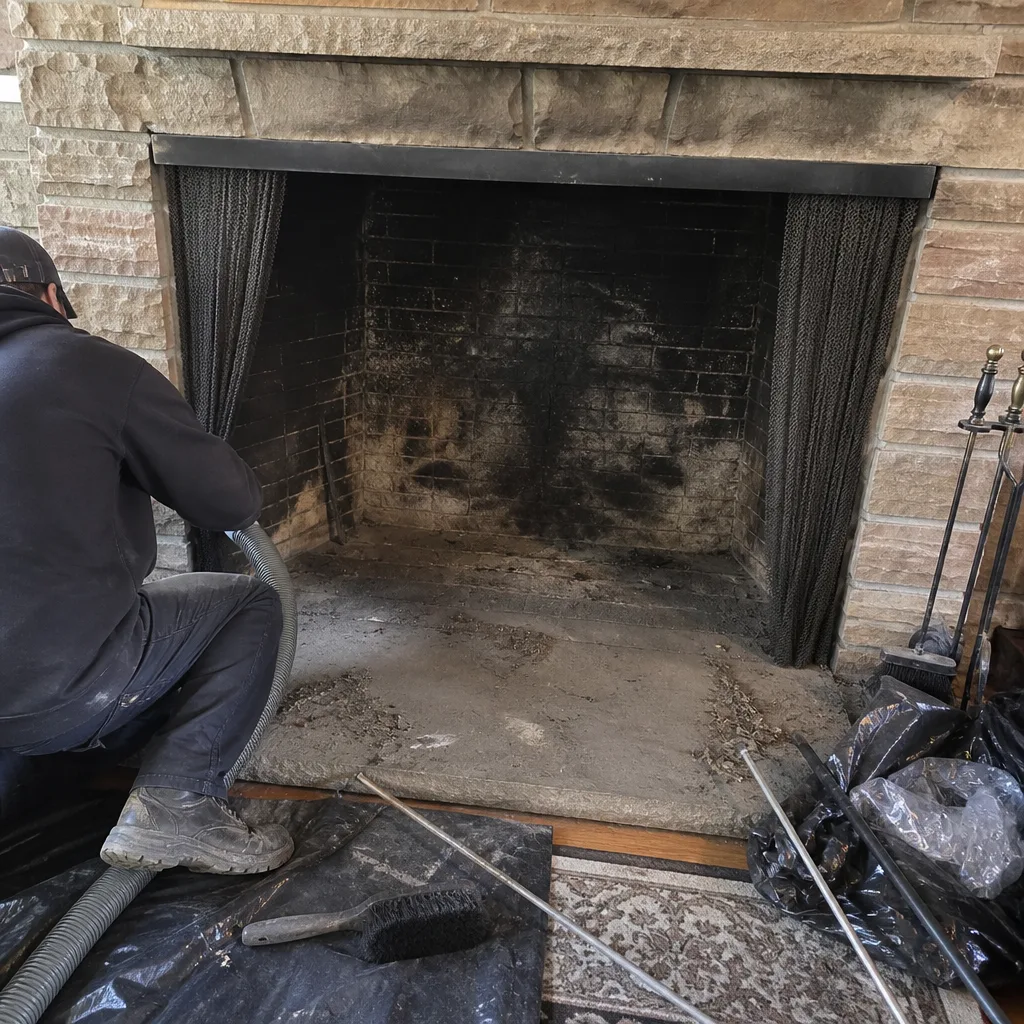 Before
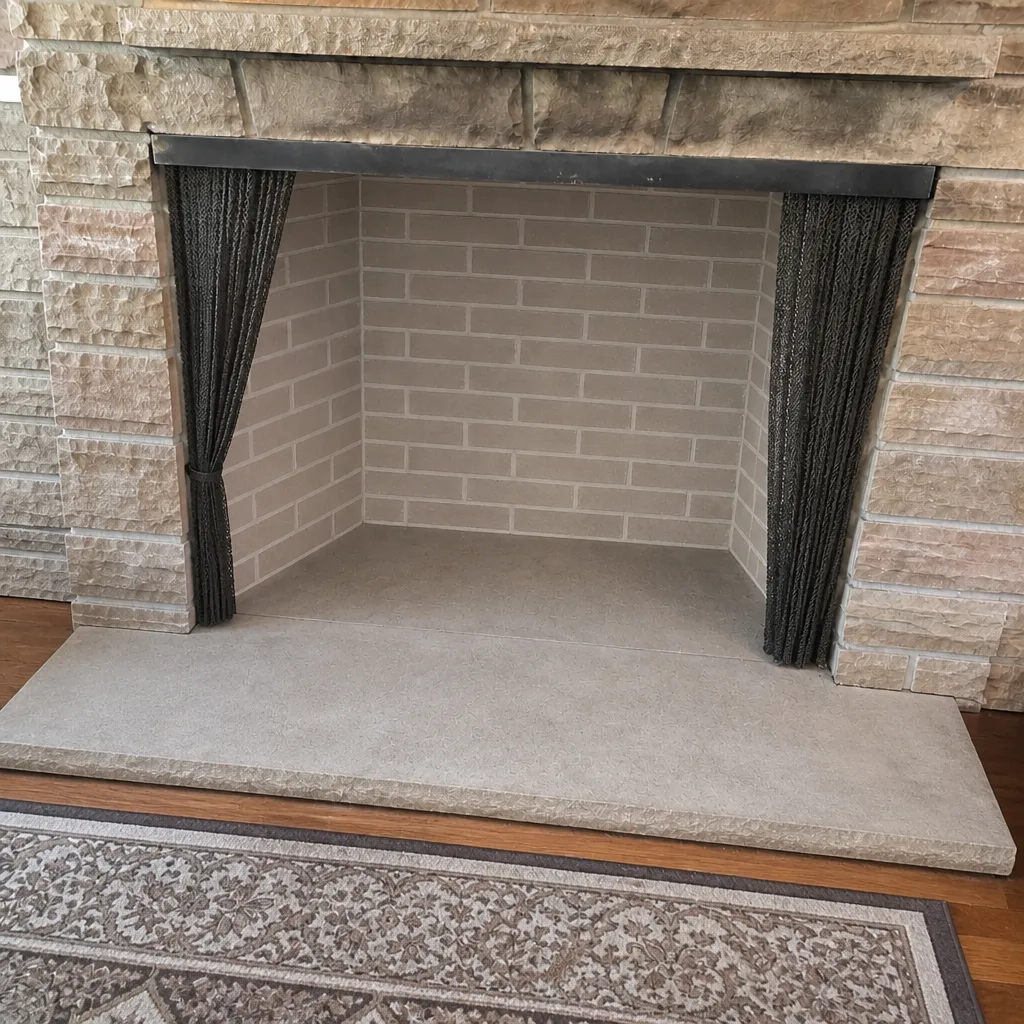 After
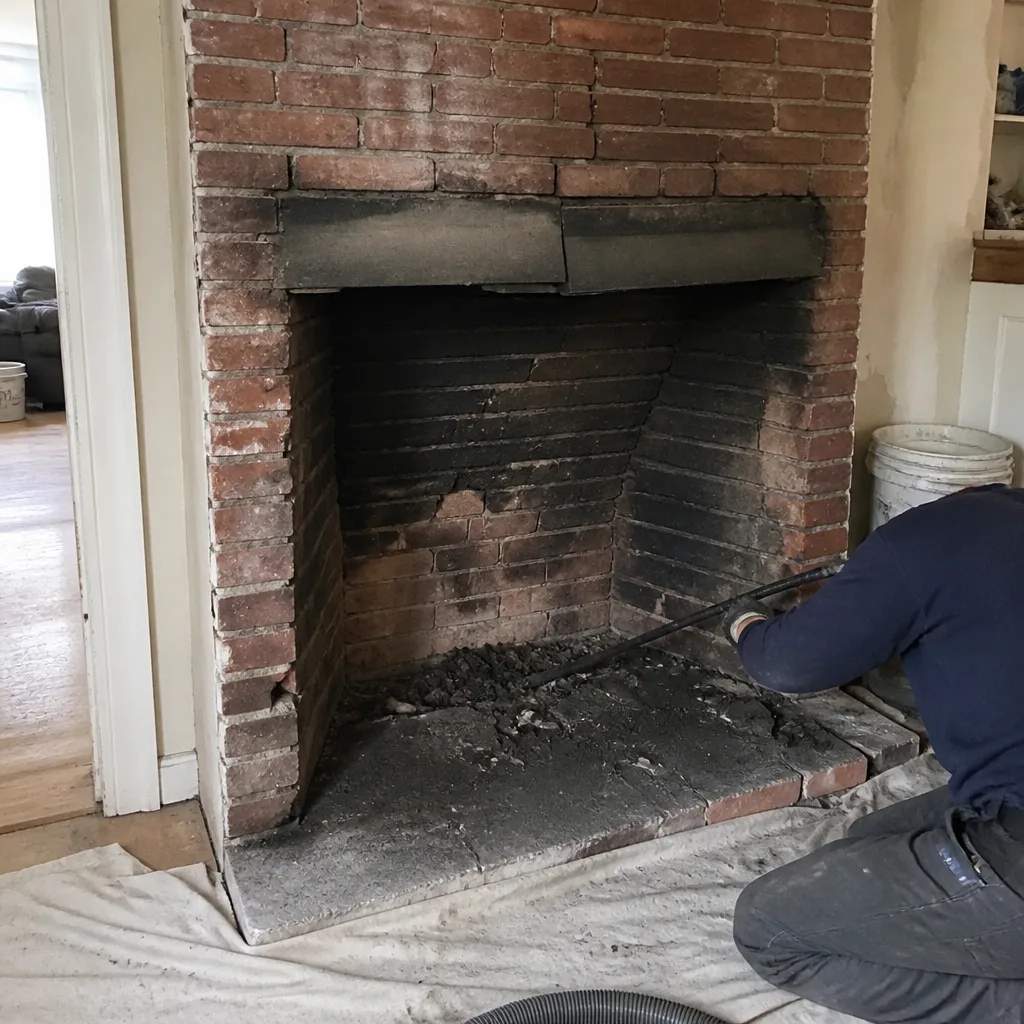 Before
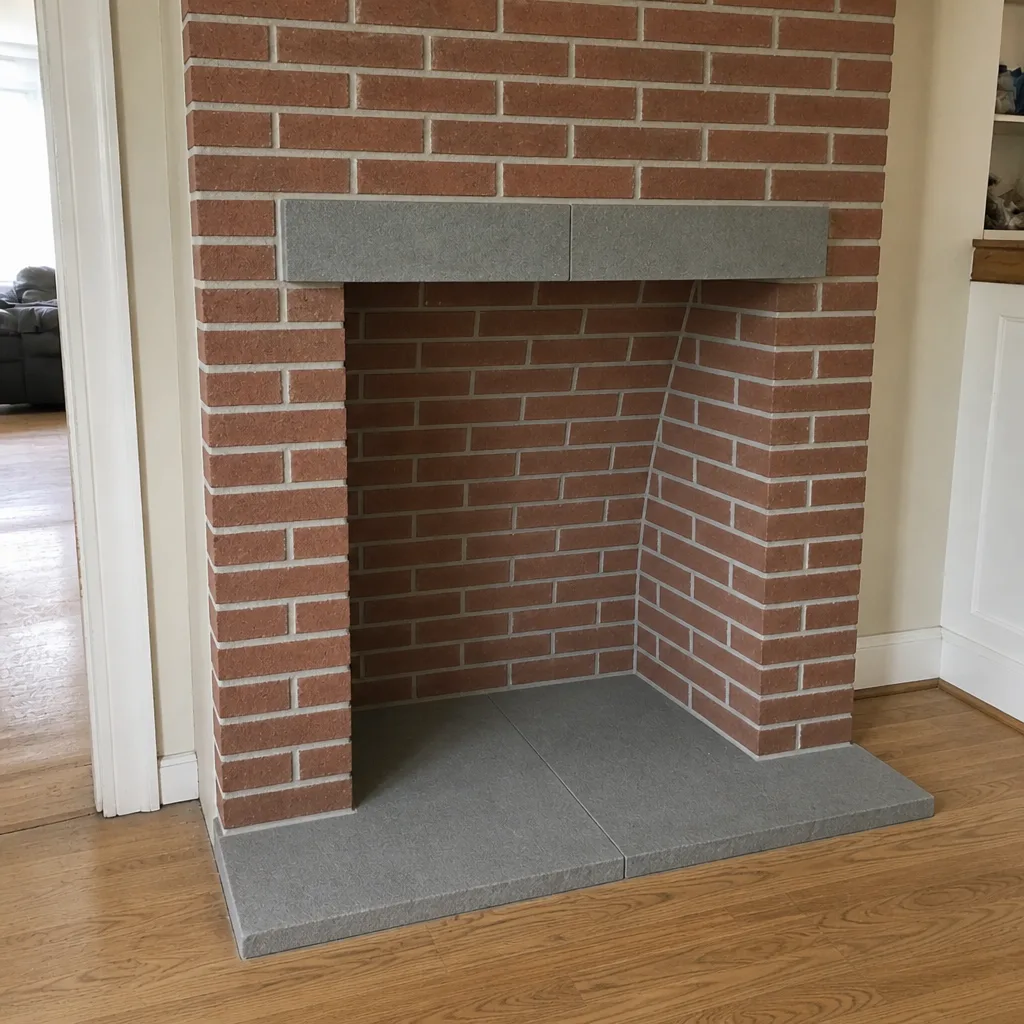 After
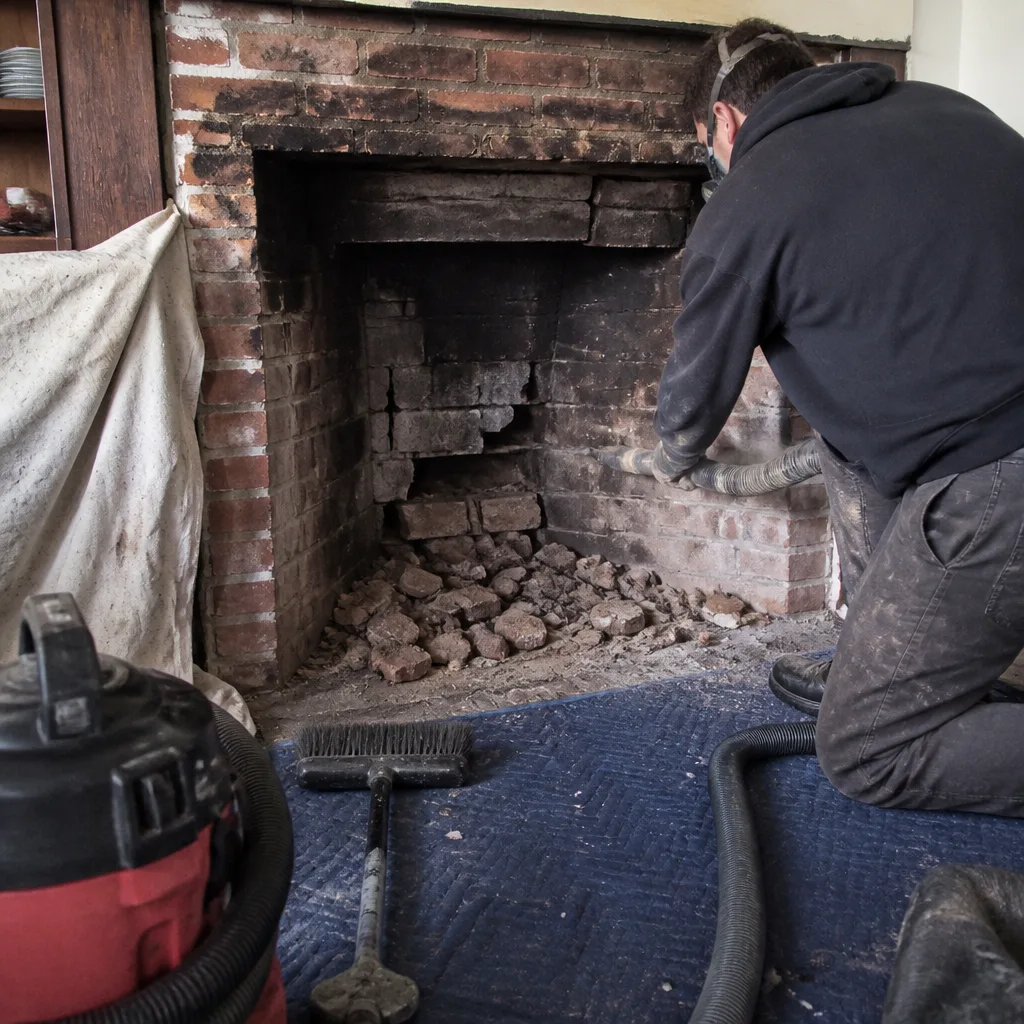 Before
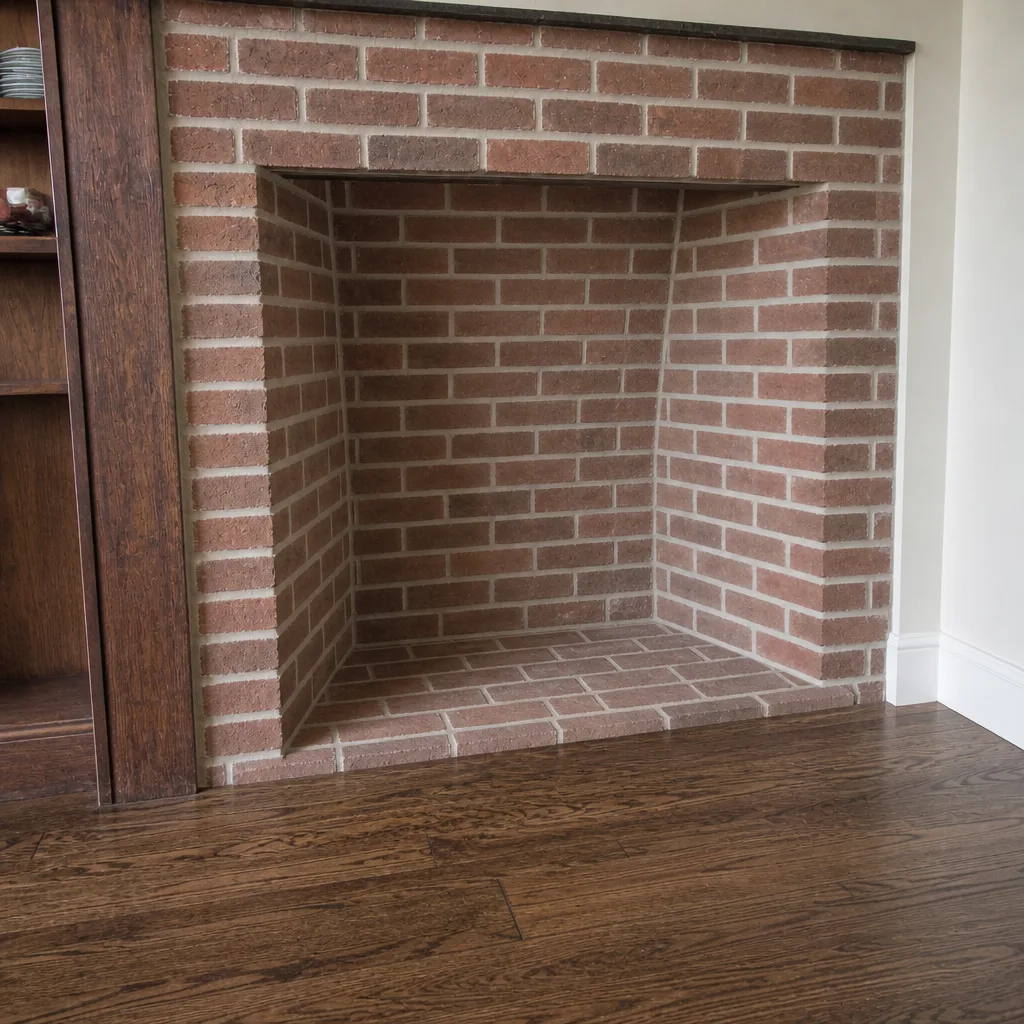 After
When to Call a Professional
Some things you can handle yourself, and the chimney isn’t one of them. If you’ve just bought a home, if it’s been a year or more since the last service, if you’ve noticed smoke backing into the room or a creosote smell, if the crown is cracked, or if you’re in a real-estate transaction and need a report, that’s the time. The high-tension springs and the structural work are the parts where a trained professional is essential, and the inspection is what tells you which kind of job you’re facing.
Chimney Sweep Dorchester offers free estimates in Dorchester. Call (844) 443-4495. We answer 24/7. Fast dispatch from 7am to 7pm, Sunday through Friday.
Frequently Asked Questions
No. A routine chimney cleaning is maintenance and needs no permit in Dorchester. Permits come into play when the work alters the chimney system, such as relining, structural repair, or a cap and crown change that affects the flue termination. Call (844) 443-4495 for an exact quote; estimates are free.
Yes. Relining a flue is a structural alteration to the venting system and requires a City of Boston building permit through Boston’s Inspectional Services Department, with the work meeting the Massachusetts State Building Code and NFPA 211. A properly filed permit, followed by an inspection, is what keeps the job defensible at resale and with your insurer. Call (844) 443-4495 to talk through your liner options.
A typical chimney cleaning in Dorchester runs about $150 – $300, and it needs no permit. A relining triggered by what the sweep finds is a separate, permitted job in a much higher range, which is why the inspection report matters. Call (844) 443-4495 for an exact quote; estimates are free.
Inspect annually and sweep whenever creosote buildup needs removal, which for regular wood burners can be more than once a heating season. In Dorchester’s older housing stock, the annual inspection is the piece that catches liner and clearance problems early. Call (844) 443-4495 to book an inspection.
Keep the building permit, the final inspection sign-off, the written inspection report and photo report, the liner’s product and warranty paperwork, and your sweep records. These are what insurers and future buyers ask for, and they’re hard to replace once lost. Call (844) 443-4495 if you need a current inspection report for a refinance or sale.
A deteriorated liner is a fire and carbon monoxide pathway, and an unpermitted repair can void insurance coverage and complicate a sale. The inspection is what tells you whether work can wait or needs attention now, so nothing gets fixed on guesswork. Call (844) 443-4495 to get a clear condition report.
The Bottom Line
The permit line in Dorchester is defined by the work, not the service. A cleaning and an inspection require no permit and answer the important question: what’s the actual condition of your chimney? Relining, structural repair, and changes that alter the flue termination are permitted work under the Massachusetts State Building Code, administered through Boston’s Inspectional Services Department, and the work has to meet both code and NFPA 211. Keep the permit, the inspection sign-off, and the report, and treat the annual inspection as your early-warning system. Our technicians have up to 10 years of experience, and we work exclusively on chimneys, which is why the answer you get is the answer you can act on. That’s the best protection for your home and your next closing.
To arrange a chimney inspection or cleaning in Dorchester, explore Chimney Sweep Dorchester. Call (844) 443-4495 for a free estimate. We answer 24/7. Fast dispatch from 7am to 7pm, Sunday through Friday.
Written by the team at Chimney Sweep Dorchester.