
Last updated November 22, 2026
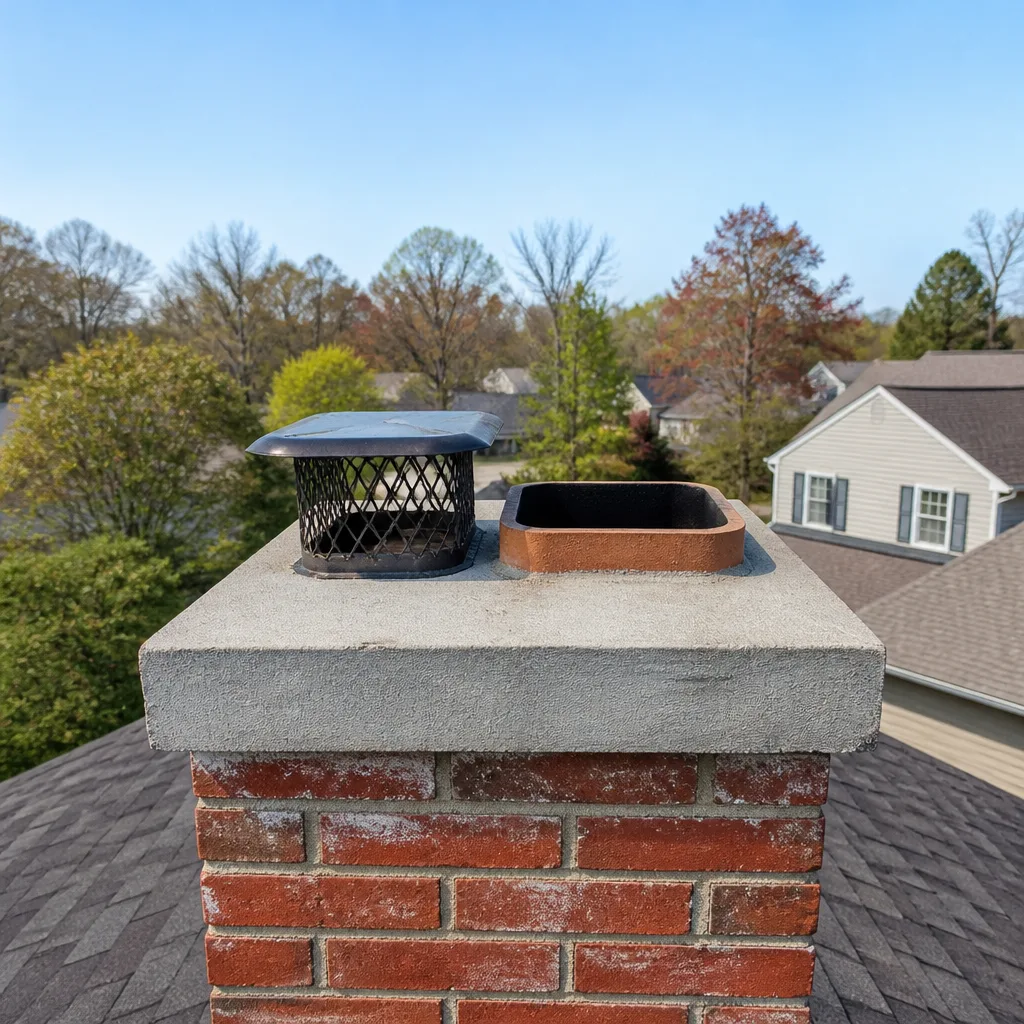 Sweep & inspection
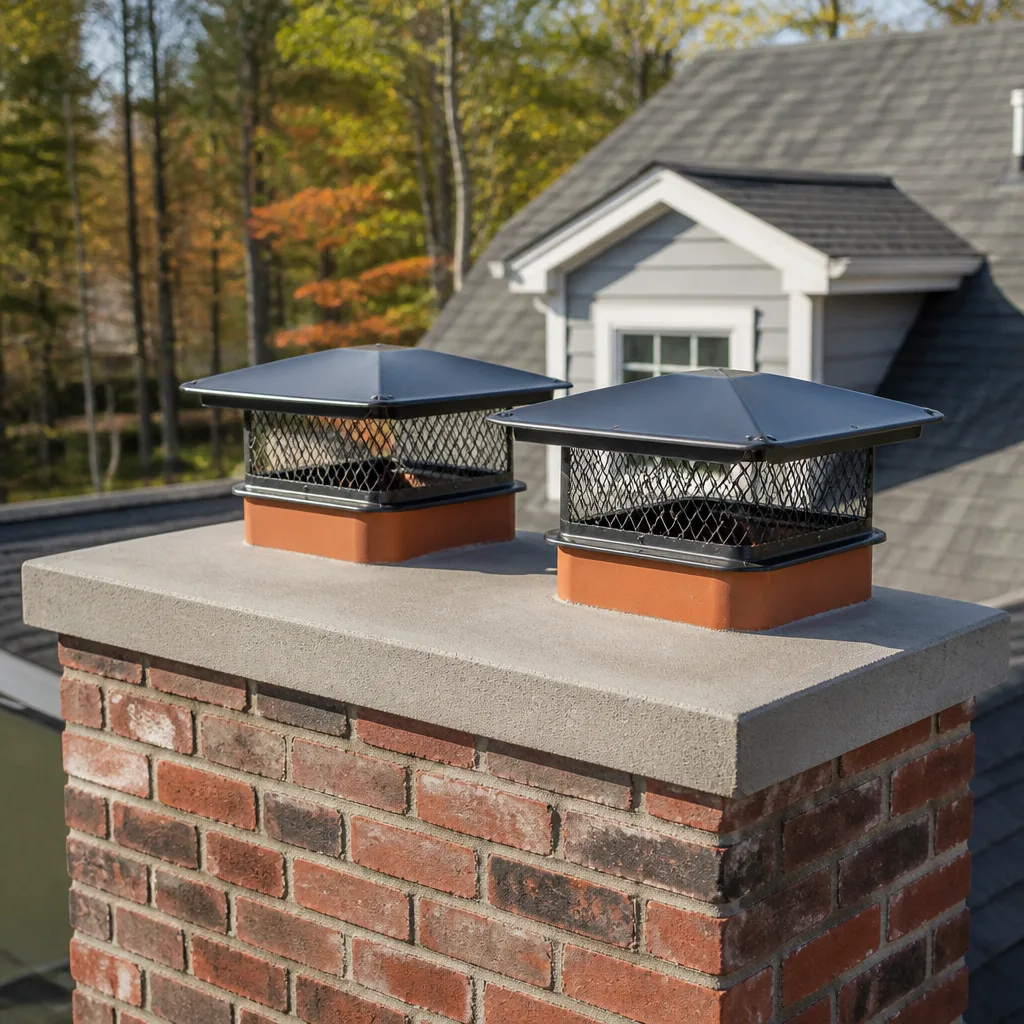 Caps & crowns
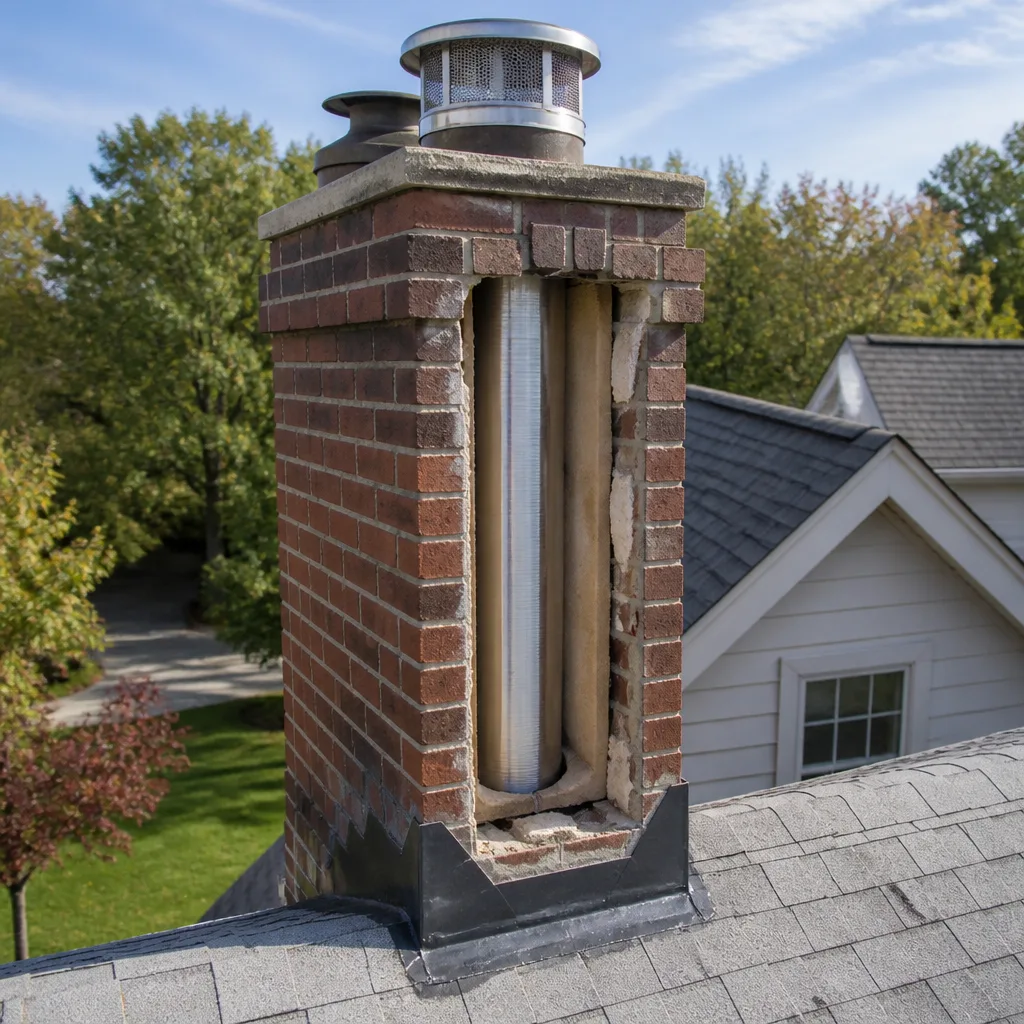 Flue relining
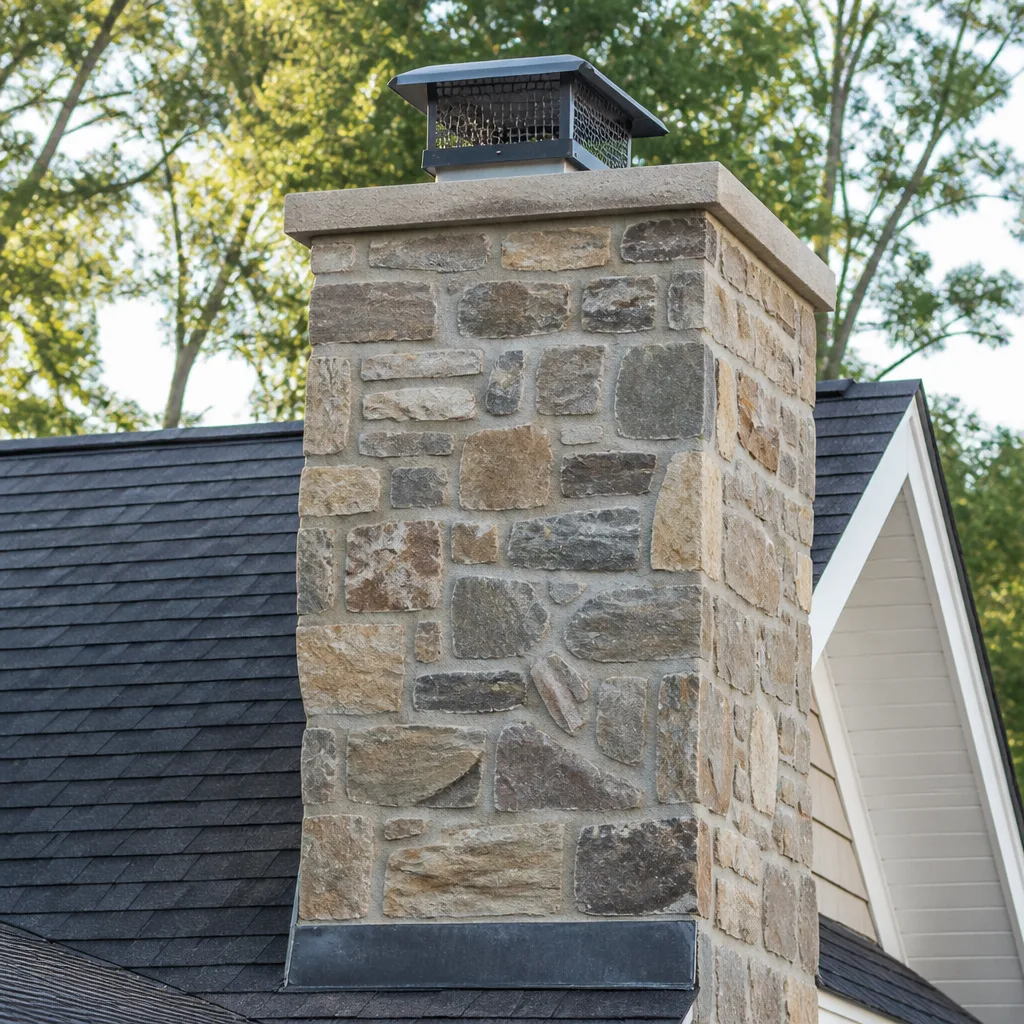 Masonry repair
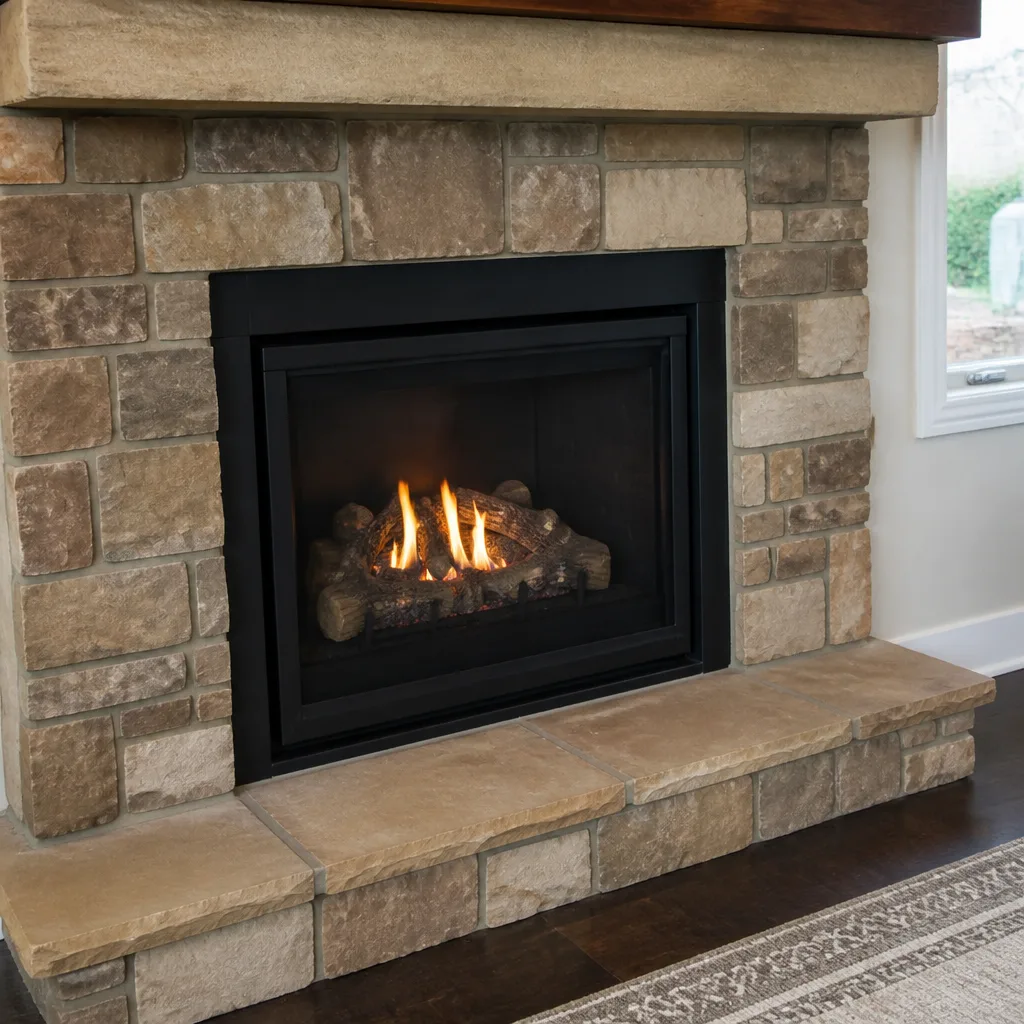 Gas fireplace service
Level 1 sweep and inspection to the NFPA 211 annual standard - flue, crown, cap, and flashing checked and photographed
Chimney sweep logs do not sweep chimneys. They loosen some creosote - which then falls where a brush and vacuum still have to collect it.
Seasonal Chimney Cleaning Care for Dorchester: Year-Round Homeowner’s Guide
Most chimney advice you’ll read says the same thing: book a sweep in the fall and forget about it until next year. That advice misses the season that matters most in Dorchester. Spring is when your chimney takes its real beating. Freeze-thaw cycles work on masonry and crowns all winter, condensation that built up during the heating months starts finding its way into mortar joints, and birds looking for a nesting spot move straight into any flue that isn’t capped. Damage that starts in March is damage you’ll pay for in October. This guide walks through what each season asks of a Dorchester chimney, how fuel type changes the schedule, and when a job is best handled by a professional.
Quick Answer
In Dorchester, a chimney should be swept once a year, ideally in late summer or early fall before the first reliable heating nights, and inspected at the same time. Spring is the season for structural checks and repairs after freeze-thaw stress, summer is the right window for liner work and waterproofing, and winter is for monitoring only. Fuel type shifts the priorities: wood burners need annual sweeping, gas inserts need annual inspection more than sweeping, and oil conversions need the flue checked for different residue.
Styles & brands we work with
- Sweep & inspection
- Caps & crowns
- Flue relining
- Masonry repair
- Gas fireplace service
Table of Contents
- Spring in Dorchester: The Highest-Stakes Season for Your Chimney
- Summer: The Right Window for Liner Work, Tuckpointing, and Waterproofing
- Fall: The Pre-Season Sweep Protocol
- Winter: Mid-Season Monitoring and When to Call
- How Fuel Type Changes Your Seasonal Priority Order
- What Dorchester’s Housing Stock Means for Chimney Care
- Common Mistakes to Avoid
- When to Call a Professional
- Frequently Asked Questions
Spring in Dorchester: The Highest-Stakes Season for Your Chimney
Spring is the season most homeowners skip, and it’s the one that does the most to determine what shape your chimney is in by October. Between March and June, a Dorchester chimney faces a specific combination of stresses: repeated freeze-thaw cycles on exterior masonry, moisture that condensed inside the flue during the heating season now working its way into mortar and brick, and wildlife looking for an open flue to nest in. All three get worse the longer they’re left alone.
Here’s a spring walk-around you can do yourself, in order, with no tools beyond your eyes and a pair of binoculars if you have them:
- Look at the crown from the ground. The crown is the concrete or mortar cap on top of the chimney. Cracks, spalling, or a crown that’s pulling away from the flue are all common after a Dorchester winter. A cracked crown lets water straight into the masonry below.
- Check the cap. A chimney cap & crown that’s missing, loose, or rusted through is an open door for birds, squirrels, and rain. If you can see the flue opening from the ground, you don’t have a working cap.
- Scan the brickwork for white staining. That chalky white powder is called efflorescence, and it’s a sign moisture is moving through the masonry. It’s not an emergency on its own, but it’s a reason to have someone look at the chimney.
- Check the mortar joints. Look for joints that have crumbled or receded. Freeze-thaw cycles are the main cause in this climate, and receded joints let in more water, which causes more freeze-thaw damage. It’s a loop that gets worse each winter.
- Look inside the firebox and up the flue. Shine a light up from the damper. You’re looking for crumbling mortar, rusted damper hardware, or any sign of an animal nest. A nest in an uncapped flue is one of the most common spring findings in Dorchester.
None of this replaces a proper inspection. It’s a way to know whether you need one. In our experience, the spring inspection catches the small masonry repairs and cap issues that would otherwise turn into real structural work by the following winter.
Why Spring Damage Compounds
The mechanism is simple. Water gets into a crack in the crown or a receded mortar joint. Overnight, temperatures in Dorchester drop below freezing and that water expands. The crack gets wider. Next thaw, more water gets in. This repeats through March and April, and by May a hairline crack can be a piece of masonry you can move with a finger. That’s why spring checks matter more than they sound like they should.
Summer: The Right Window for Liner Work, Tuckpointing, and Waterproofing
Summer is when a Dorchester chimney should get its serious repair work done, for two practical reasons. First, the weather is reliable, which matters for waterproofing, crown work, and masonry repair that need dry conditions to cure properly. Second, demand for chimney work spikes in the fall, so summer scheduling is simpler and the work can be done without any pressure to rush a job before the heating season starts.
The jobs best done in summer:
- Liner replacement or resurfacing. If a camera inspection has shown cracks or gaps in a clay tile liner, summer is the time to address it. A HeatShield resurfacing can restore a liner that’s still structurally sound but has surface defects, which is often less disruptive and less expensive than a full reline. A full reline with a DuraFlex system is the answer when the original liner is too far gone to resurface.
- Tuckpointing. Repointing the mortar joints is best done in warm, dry weather so the new mortar can cure without being hit by rain or a freeze. Doing this in summer gives you the whole season to see how it holds.
- Waterproofing. A breathable masonry water repellent applied in summer gives the chimney protection going into the next winter. This is one of the most effective things a Dorchester homeowner can do to slow freeze-thaw damage, and it’s almost always done in warm months.
- Crown repair or replacement. Pouring a new crown or repairing an existing one requires curing time, and summer gives you that without a race against cold weather.
- Cap installation. A new cap with proper screening keeps out birds and rain and is quick work, but it’s still best done in good weather so the fasteners and sealant set correctly.
Why Liner Work in Summer Beats a Fall Panic
The furnace or boiler will come on in October whether the liner is ready or not. If a liner problem is discovered in late September, the work has to be squeezed in before the heating season, and scheduling gets tight for everyone in the trade. A summer inspection gives you a clear picture with months of runway. We work exclusively on chimneys, which is the only reason we can offer a straightforward answer on whether a liner needs resurfacing versus replacement. Generalist contractors often can’t, because they don’t do enough liner work to know the difference.
Professional-grade liner materials from DuraFlex, HeatShield, and Olympia Chimney are the brands chimney industry pros specify, and they matter here. A liner is not a place to use a consumer-shelf substitute. The right product, installed properly, is what makes a reline last for the life of the chimney instead of a few seasons.
Fall: The Pre-Season Sweep Protocol
Fall is the season for the annual sweep, and in Dorchester the timing is easier to pin down than it is in most places because Boston’s first reliable heating nights tend to arrive in the second half of October. That gives you a natural target: get the sweep done in late September or early October, before the first sustained cold snap, not after.
Why before and not after? Because a sweep done in early October means you’re burning in a clean flue from the very first fire. If you wait until November, you’re putting the first two or three weeks of the heating season through whatever creosote and soot built up last year, which is exactly what you don’t want.
The pre-season sweep protocol, in order:
- Schedule the sweep for late September or the first week of October. This is the window that puts you ahead of the fall rush and ahead of the first sustained heating nights.
- Have the inspection done at the same time. A sweep clears the flue; an inspection checks the whole system. Doing them together saves a second visit and gives you one honest report. A standalone inspection is also available if you just need to know the condition and aren’t ready to schedule work.
- Ask for a camera inspection and a photo report. Any recommendation that comes out of the inspection should be backed by photos you can look at yourself. If someone tells you the liner is failing, they should be able to show you the crack.
- Test the damper and the smoke draw. Before the first fire, open and close the damper to make sure it moves freely, and check that smoke draws up the flue rather than back into the room on a small test fire.
- Stock up on dry, seasoned firewood. Wet or green wood is a major cause of creosote buildup. Get the wood in and stacked under cover before the season starts so it has time to finish drying.
What a Sweep Actually Does
A proper chimney sweep clears soot and creosote from the flue, removes any blockages, and checks that the flue is clear top to bottom. If you haven’t had your chimney swept in a year or more, a fall sweep is the single most useful thing you can do before the season starts. For a fuller explanation of what the service involves, see our main page on Chimney Sweep Dorchester.
Winter: Mid-Season Monitoring and When to Call
Winter isn’t a season for scheduled chimney work. It’s a season for paying attention. Once the heating season is in full swing, you’re not looking for maintenance tasks, you’re watching for signs that something has changed and needs a professional look before you keep burning.
What to watch and smell for during active use:
- A strong, acrid, or heavy smell from the fireplace or stove. Some smell is normal on startup, especially in a cold flue. A persistent, sharp smell during burning can indicate creosote buildup or a draft problem.
- Smoke coming back into the room. A fireplace that drew fine last year and now spills smoke is telling you something has changed. A partially blocked flue, a damaged damper, or a change in the chimney’s draw are all possible causes, and none of them should be ignored.
- Visible soot or creosote on the firebox walls. A little is normal. A heavy, glossy, tar-like buildup on the firebox or in the flue is a sign the flue needs cleaning sooner than the annual schedule.
- Water stains or damp patches near the chimney. In winter, a leak that showed up as efflorescence outside can show up as a stain on the ceiling or wall inside. This is a sign the crown, flashing, or masonry has an opening that needs attention.
- Rumbling or a low roar from the flue. This can be a sign of a chimney fire. If you suspect one, get everyone out, call the fire department, and don’t use the chimney again until it’s been inspected.
- Any smell of exhaust or combustion gases in the living space. This is the carbon monoxide risk, and it’s the reason chimney problems get treated as safety issues and not just maintenance. If you smell combustion gases indoors, ventilate the space, get out, and call for help before you burn again.
When Mid-Season Cleaning Is Warranted
A mid-season cleaning is worth considering if you burn heavily (daily fires through the cold months and into the spring), if you’ve noticed a heavy creosote buildup, or if the draft has changed noticeably. Burning a lot of wood over a long winter can build creosote faster than the annual sweep schedule assumes. Our technicians have up to 10 years of experience, and in that time the pattern is consistent: heavy burners need more than one cleaning in a hard winter, light burners rarely do.
Safety First
A chimney carries real risk. Creosote is highly flammable, and a chimney fire can spread beyond the flue. Carbon monoxide from a blocked or damaged flue is a genuine hazard. This isn’t a component to inspect or repair yourself. Height work on a roof, liner work inside a confined flue, and any diagnosis of a draft or venting problem are jobs for a trained professional. We don’t give step-by-step DIY instructions for this kind of work, because the risk of getting it wrong isn’t worth the saving.
How Fuel Type Changes Your Seasonal Priority Order
The four-season schedule above assumes a wood-burning fireplace, and that’s the right starting point for most Dorchester homes. But fuel type changes which seasons matter most and which tasks get pushed to the front. If you’ve recently bought a home with a gas insert or a converted oil system, the standard advice doesn’t fully apply.
Wood-Burning Fireplaces
Wood is the fuel that makes the annual fall sweep essential. Wood burning produces creosote, and creosote is what makes chimney fires possible. For a wood burner, the priority order is: fall sweep and inspection, spring structural check, summer masonry and liner work, winter monitoring. The inspection in the spring matters because wood heat puts more thermal stress on the flue over a full season than a gas insert does.
Gas Inserts and Gas Fireplaces
Gas doesn’t produce creosote the way wood does, so an annual sweep is less about clearing soot and more about checking that the venting is sound. For a gas insert, the inspection becomes the lead task of the year, not the sweep. Gas appliances also produce moisture and have their own venting requirements, so the flue and the venting components should be checked even when there’s nothing to sweep. This is where product knowledge matters. The venting components on a gas insert are specific parts, and brands like Olympia Chimney and Famco make the accessories and venting parts that a proper inspection needs to check against. An inspector who knows the venting on your insert is a different thing from one who’s only used to wood flues.
Oil Conversions and Older Systems
An older Dorchester home may have a chimney that was originally built for oil heat and later converted, or a flue that still serves an oil appliance alongside a fireplace. Oil systems have different residue and different venting requirements. If your home has had a fuel conversion, the spring and summer checks should include the flue that serves the converted appliance, not just the fireplace flue. A camera inspection is the reliable way to see what condition that flue is in.
A Short Priority Table by Fuel Type
- Wood: fall sweep first, spring structural check second, summer liner and masonry work third, winter monitoring throughout.
- Gas insert: annual inspection first, venting check second, sweep only as needed, spring and summer for any repair.
- Oil conversion: inspection of the converted flue first, camera check of both flues second, spring and summer for any repair.
What Dorchester’s Housing Stock Means for Chimney Care
Dorchester has a housing stock that puts particular demands on chimneys. A large share of the neighborhood’s homes are older, and older chimneys were built to a different standard than modern ones. Many have clay tile liners that have been through decades of heating seasons. Some have been through one or more fuel conversions. A few have been capped over at some point and need to be brought back into use. What that means in practice is that a chimney in Dorchester hasn’t had a single, consistent history. It’s had a series of owners and a series of changes, and the condition of the flue reflects all of them.
That’s why an inspection that produces an honest condition report matters more here than it might in a newer suburb. If you’re buying or selling a home in Dorchester, a standalone inspection gives you a report you can rely on that isn’t tied to a repair sale. Real-estate agents and buyers in the neighborhood use inspections this way: to know what they’re dealing with before a transaction, not to get a quote for work. A chimney cap and crown that’s missing or damaged is one of the simplest things to catch, and one of the easiest repairs to authorize, so it’s worth flagging early.
If you’ve recently moved into an older Dorchester home and haven’t had the chimney inspected, the fall sweep window is the right time to do it. If the home has a fireplace that hasn’t been used in a while, treat it as a chimney that needs checking before the first fire, not after.
Common Mistakes to Avoid
- Waiting until the first cold snap to book a sweep. In Dorchester, that means the phone lines are busy and the scheduling is tight. Book in late September or early October instead, before Boston’s first reliable heating nights.
- Skipping the spring check entirely. Most homeowners never look at the chimney between the end of the heating season and the start of the next. That’s the exact window when freeze-thaw damage and moisture intrusion get a foothold, and by fall the repair is bigger.
- Leaving an uncapped flue open through spring. Birds and squirrels nest in uncapped flues, and a nest in a flue is a blockage that has to be cleared before the chimney can be used safely. A cap with proper screening solves this permanently.
- Ignoring a crack in the crown. A cracked crown is one of the most common spring findings in Dorchester, and one of the easiest to fix early. Left alone, water finds its way into the masonry below and turns a small crown repair into masonry work.
- Accepting a liner recommendation without photos. If someone tells you the liner is failing, you should be able to see the crack in a photo report. A recommendation without evidence is a reason to get a second look, not to book the job.
- Burning wet or green wood. Wet wood produces more creosote than seasoned wood, which means more buildup in the flue over a shorter burning season. Stack your firewood under cover well before winter so it has time to dry.
- Treating a mid-season draft change as nothing. A fireplace that draws differently in January than it did in October is telling you something has changed. That’s worth a professional look before you keep burning.
When to Call a Professional
Some chimney work is routine and some of it is a reason to stop and call. You should call a professional if you’ve had no service in a year or more, if you’ve moved into an older Dorchester home with a fireplace you haven’t used before, or if you’re buying or selling a home and need an honest condition report. Call sooner if you can see a cracked crown, a missing or damaged cap, crumbling mortar joints, or white staining on the brick. Call right away if you smell combustion gases indoors, if the fireplace spills smoke into the room, or if you suspect a chimney fire has occurred. And call before you use a fireplace that’s been unused for a while.
Chimney Sweep Dorchester offers free estimates in Dorchester. Call (844) 443-4495. We answer 24/7. Fast dispatch from 7am to 7pm, Sunday through Friday.
Frequently Asked Questions
Once a year for most wood-burning chimneys, and the best window is late September or the first week of October, before the first reliable heating nights. Heavy burners may need a mid-season cleaning in a hard winter. Gas inserts need an annual inspection more than a sweep, since they don’t produce creosote the way wood does. Call (844) 443-4495 for an exact quote – estimates are free.
Spring, in most cases. The combination of freeze-thaw stress on masonry and crowns, moisture that built up during the heating season, and nesting birds in uncapped flues does more structural damage between March and June than the heating season itself. The fall sweep gets more attention, but the spring check is where the damage gets caught early. Call (844) 443-4495 to book a spring inspection.
Summer gives you dry, reliable weather for repairs that need to cure, and it keeps you ahead of the fall demand spike. Liner resurfacing with HeatShield, a full reline with DuraFlex, tuckpointing, crown work, and waterproofing are all better done in warm months. If a liner problem is found in September, the work has to be squeezed in before the heating season. Call (844) 443-4495 to schedule summer work.
Smoke coming back into the room, a persistent sharp smell during burning, heavy soot on the firebox walls, water stains near the chimney, and any smell of combustion gases indoors. A low roar from the flue can mean a chimney fire; if you suspect one, get everyone out and call the fire department. Any of these are worth a professional look before you keep burning. Call (844) 443-4495 – estimates are free.
Yes. Wood makes the fall sweep essential because of creosote. Gas inserts shift the priority to the annual inspection and venting check, since there’s little creosote but the venting components still need checking. Oil conversions mean the converted flue needs its own camera check alongside the fireplace flue. The season you work in shifts with the fuel. Call (844) 443-4495 for a recommendation based on your system.
A standalone inspection is worth it when you’re buying or selling, because it gives you an honest condition report that isn’t tied to a repair sale. Real-estate agents and buyers use it to know what they’re dealing with before a transaction. Fixing a simple issue like a missing cap early can save the buyer a surprise later. Call (844) 443-4495 to schedule an inspection. The estimate is free.
The Bottom Line
The fall sweep isn’t wrong, it’s just incomplete. A Dorchester chimney needs attention in every season, and spring is the one that gets skipped. Check the crown, cap, and mortar joints after the heating season ends. Do liner work, tuckpointing, and waterproofing in summer so they’re done before the fall rush. Sweep in late September or early October, before Boston’s first reliable heating nights. Watch for warning signs through winter, and treat a draft change or a smell of combustion gases as a reason to call, not to wait. Fuel type shifts the order, so a gas insert needs inspection first and a wood burner needs the sweep first. One call covers the whole system, from the sweep to the liner to the cap. If you’re not sure where your chimney stands, an inspection is the place to start.
Call (844) 443-4495. We answer 24/7. Fast dispatch from 7am to 7pm, Sunday through Friday. Estimates are free, and every recommendation comes with photo evidence you can see for yourself. We work exclusively on chimneys, and we’re glad to point you to the right season for whatever your chimney needs. For the full range of services, see our fireplace repair page as well.
Written by the team at Chimney Sweep Dorchester.
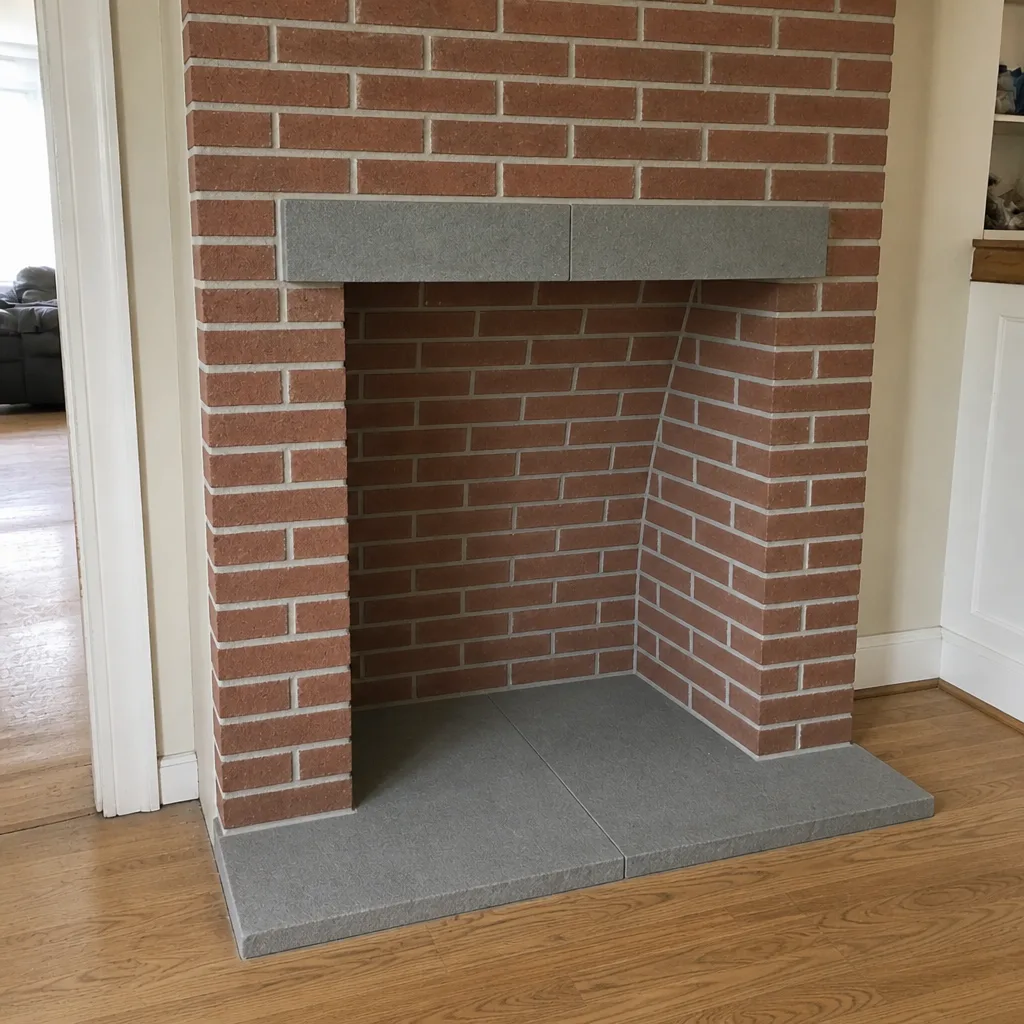
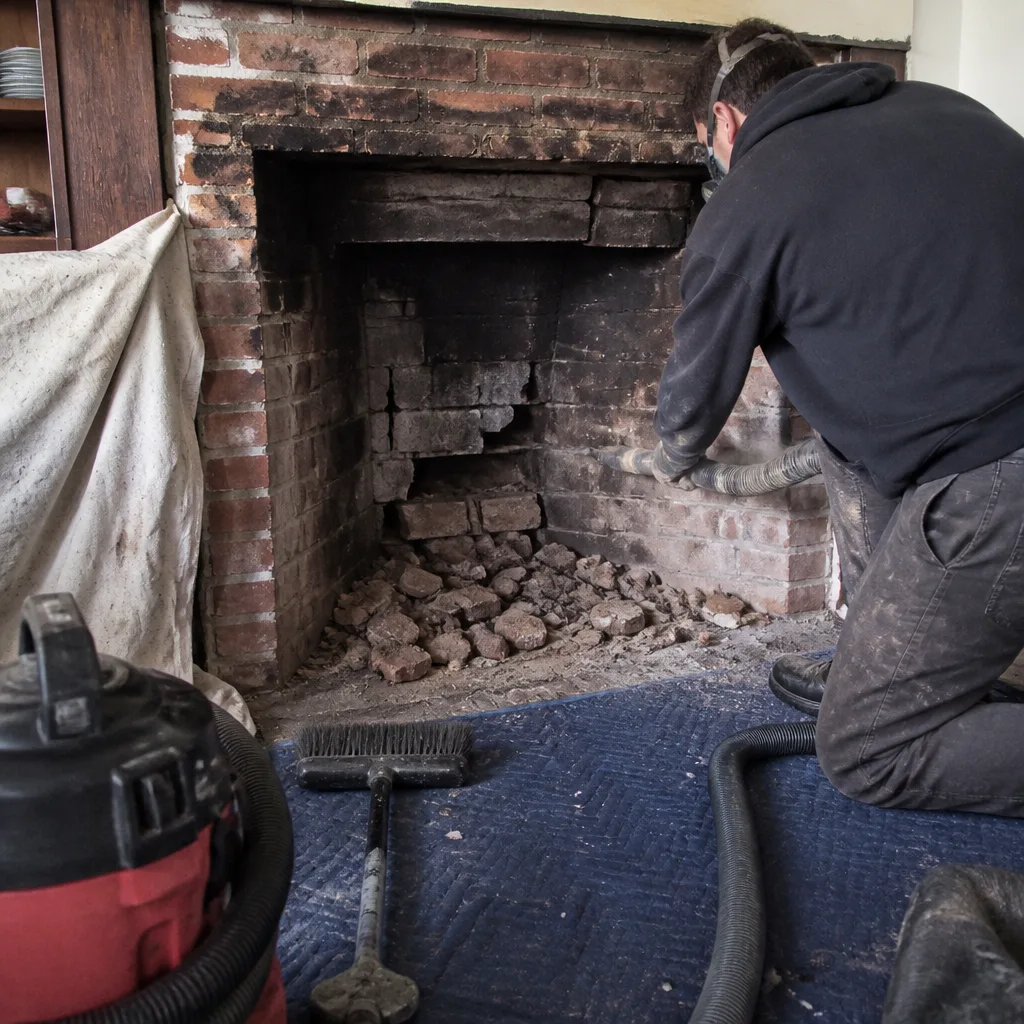
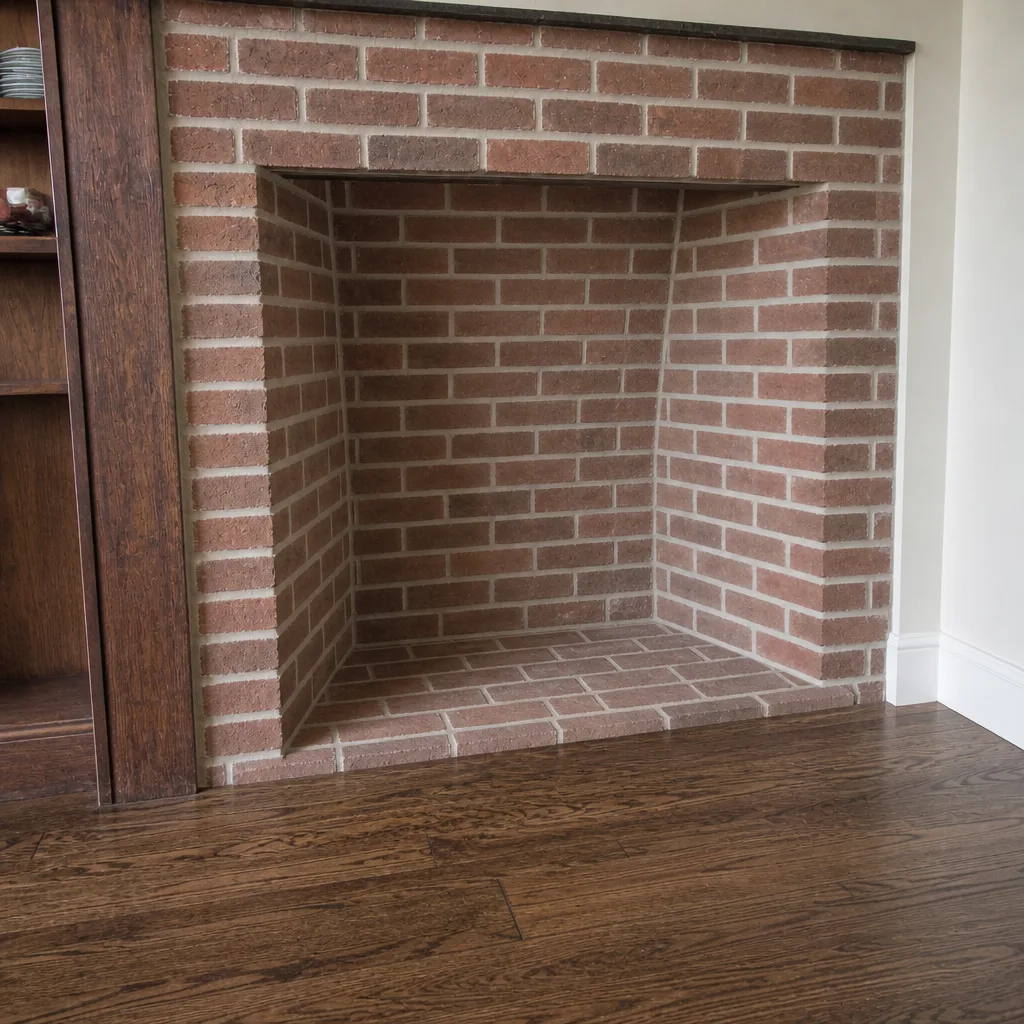
See the difference
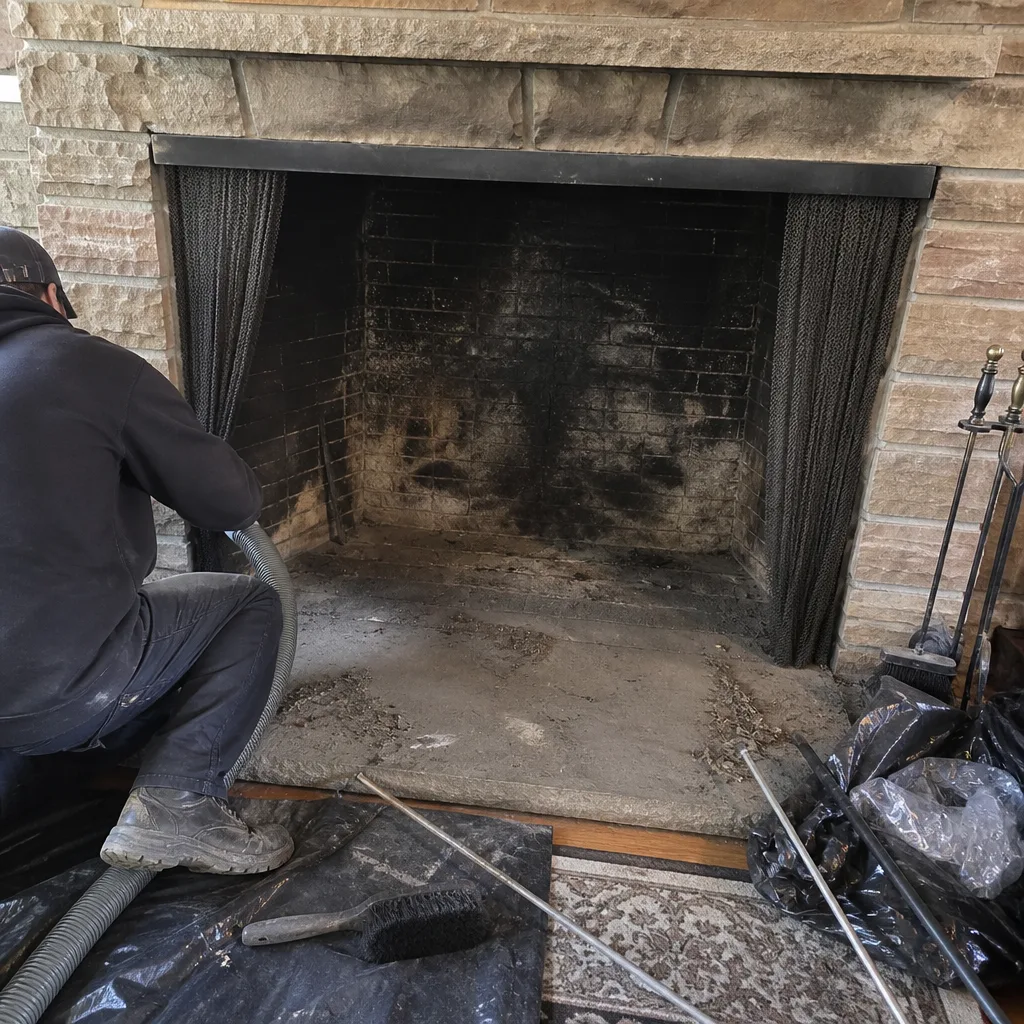 Before
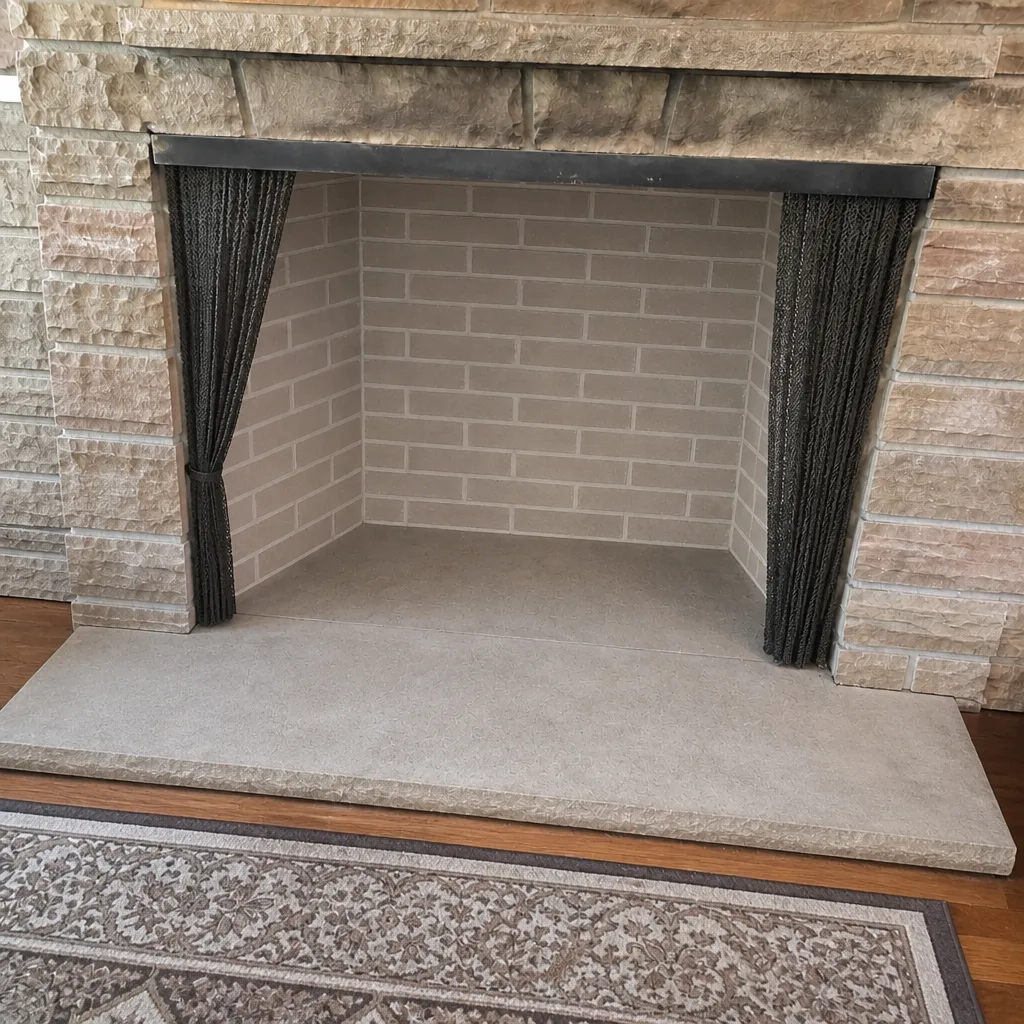 After
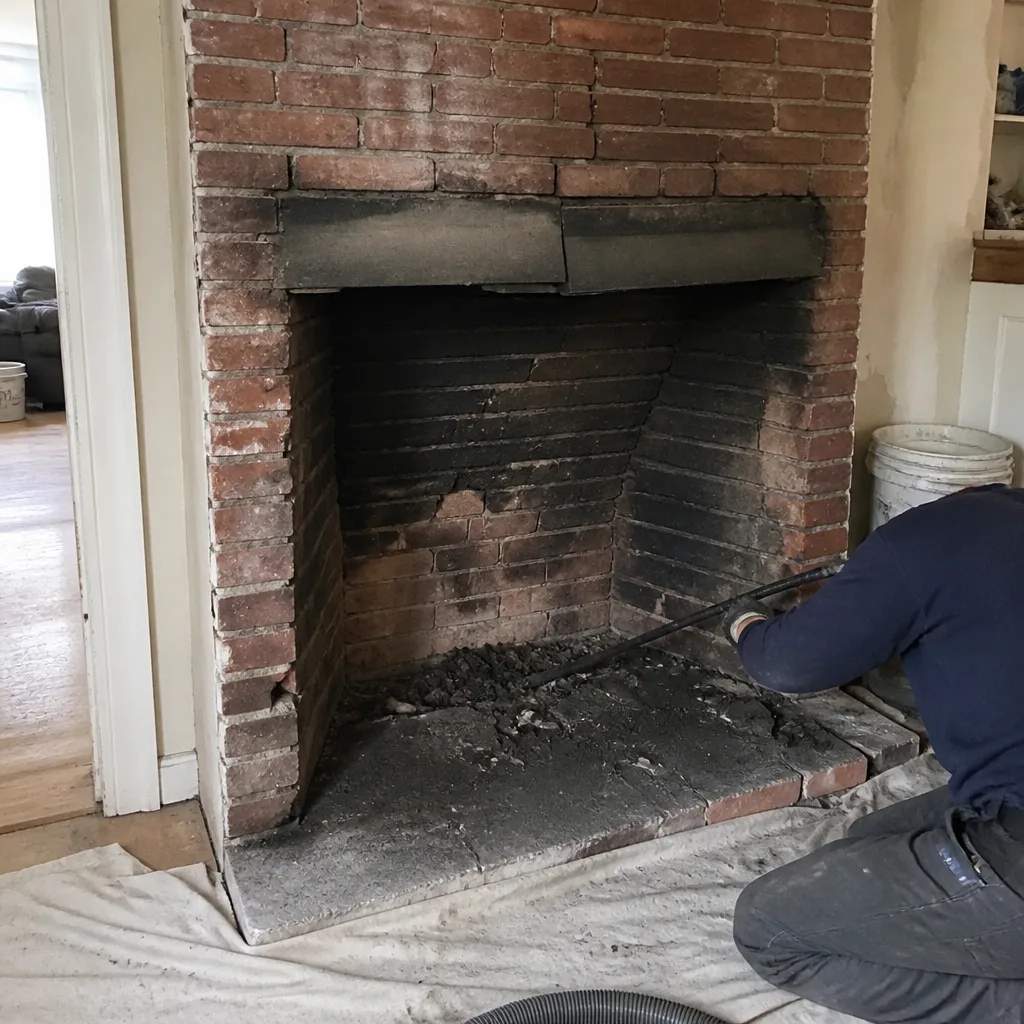 Before
 After
 Before
 After