
Last updated November 22, 2026
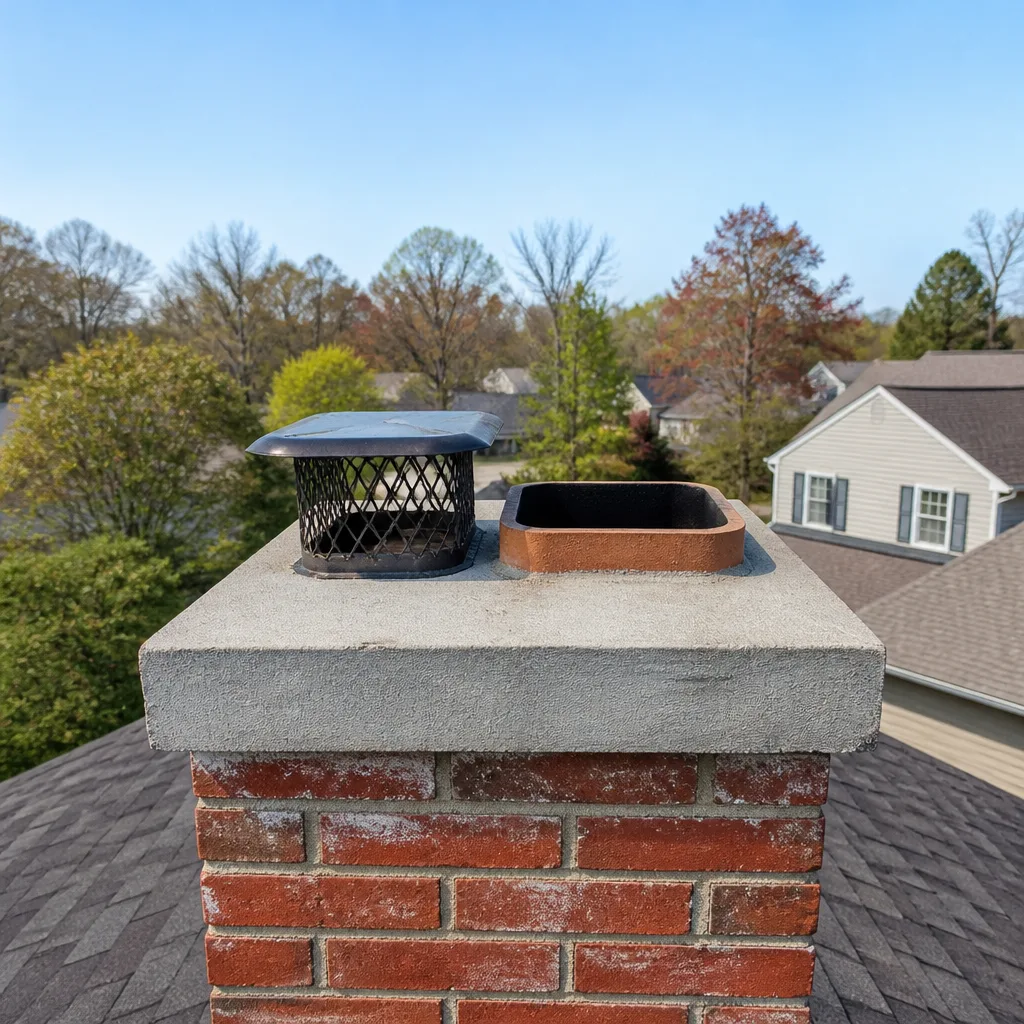 Sweep & inspection
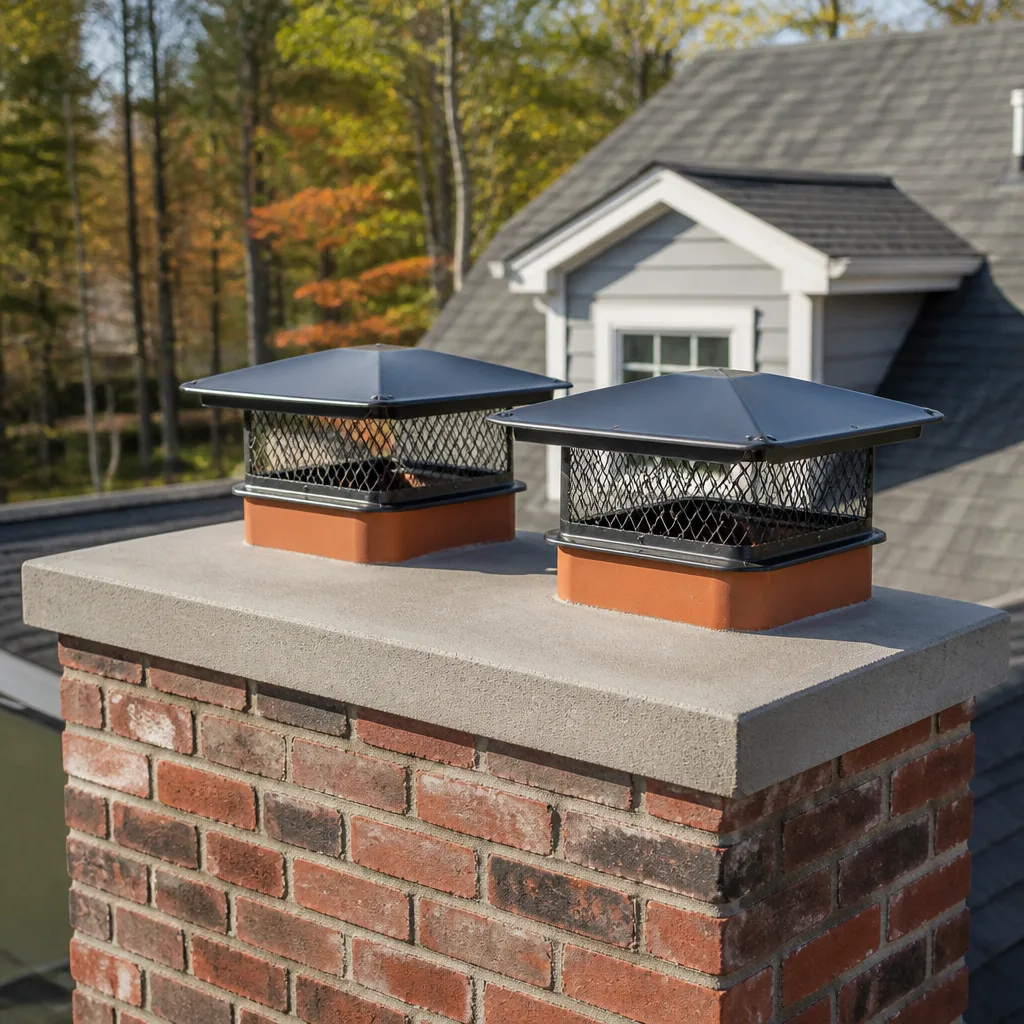 Caps & crowns
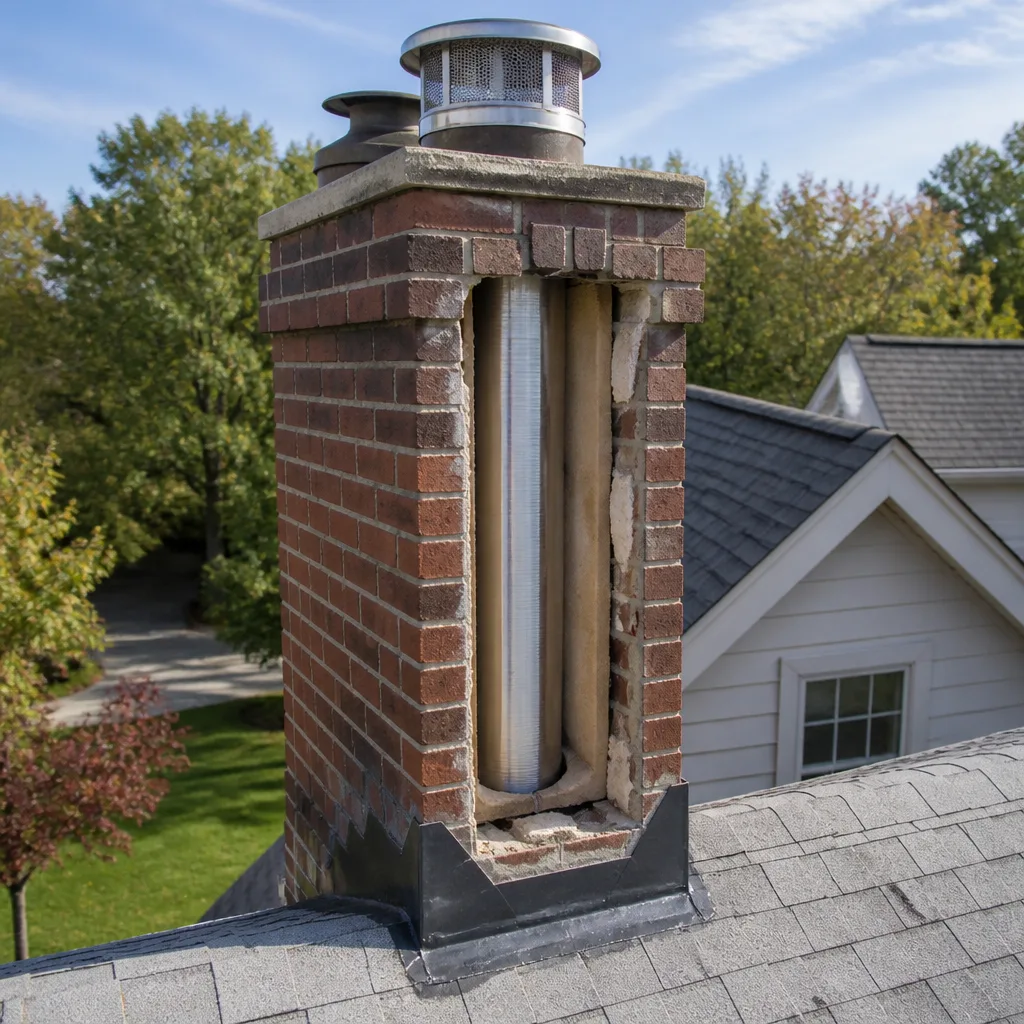 Flue relining
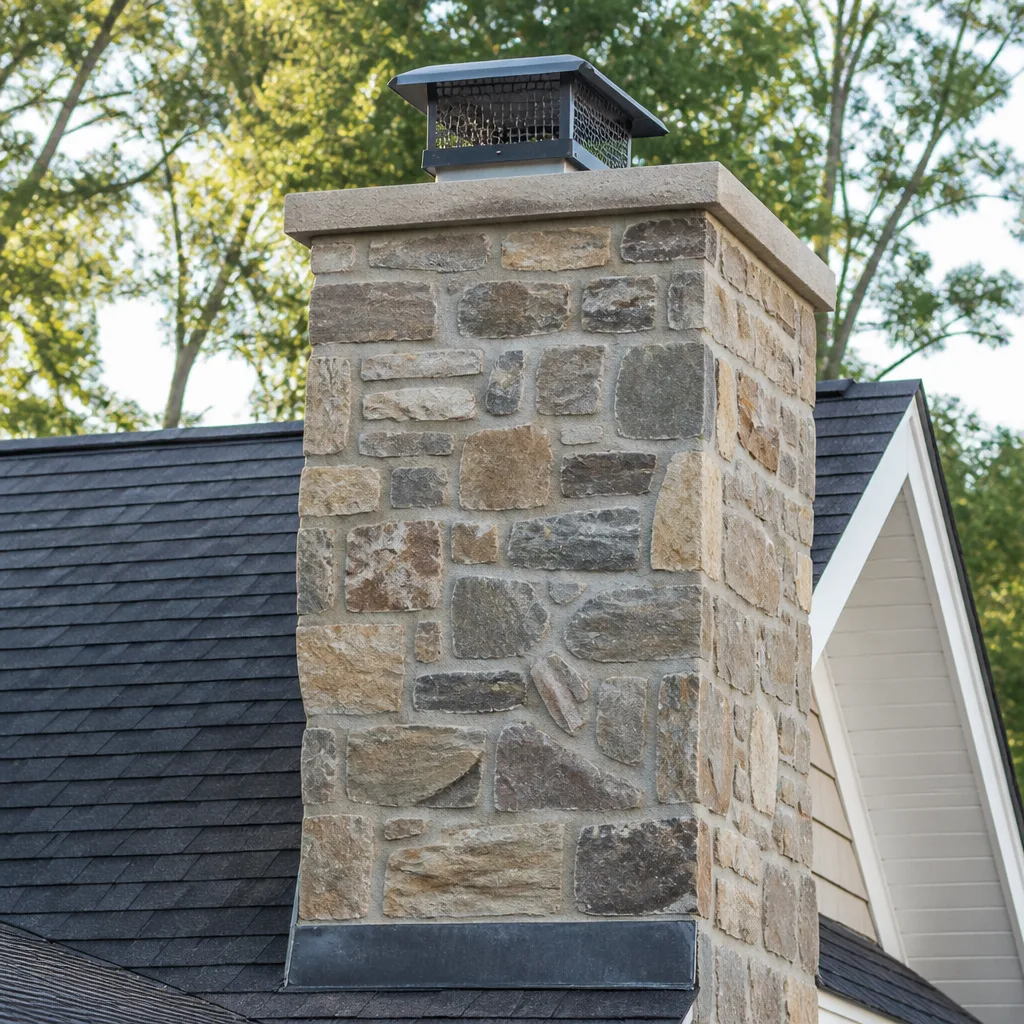 Masonry repair
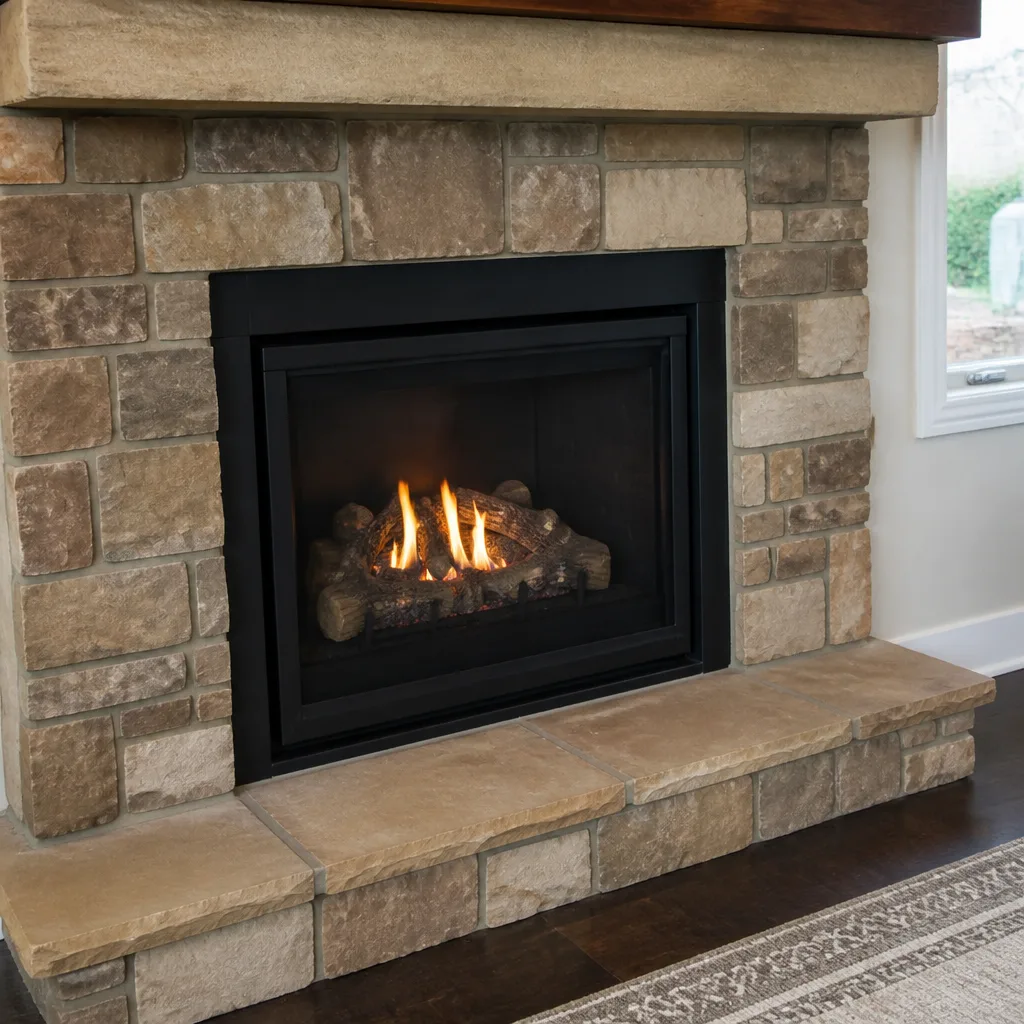 Gas fireplace service
Level 1 sweep and inspection to the NFPA 211 annual standard - flue, crown, cap, and flashing checked and photographed
Chimney sweep logs do not sweep chimneys. They loosen some creosote - which then falls where a brush and vacuum still have to collect it.
Chimney Cleaning Cost Breakdown: The Dorchester Homeowner’s Reference for 2026
Two chimney sweeps can hand you quotes of $175 and $425 for what sounds like the identical job, and both can be honest. They aren’t quoting the same work. One may be pricing a quick pass on a lightly used flue; the other is pricing a full flue-length cleaning with a camera inspection and a rotary system, which takes longer, uses more equipment, and catches problems the first sweep never looks for. The homeowner who can’t tell a Level I inspection from a Level II, or a hand cleaning rod from a rotary setup, is the one who ends up paying for work they can’t verify. This guide pulls a chimney cleaning bill apart line by line so you can read any Dorchester quote with the same information a contractor uses to build one.
Quick Answer
In the Dorchester market, a standard chimney cleaning in 2026 typically runs about $175 to $425 depending on flue length, access, fuel type, and how far the creosote has built up. Add $75 to $175 if a camera inspection (Level II) is bundled in, and expect significantly more if the job involves heavy, glazed creosote that needs chemical treatment or rotary removal. The written estimate sets the final price, and you can use the breakdown below to check whether a quote is priced for the work you actually need.
Styles & brands we work with
- Sweep & inspection
- Caps & crowns
- Flue relining
- Masonry repair
- Gas fireplace service
Key Takeaways
- Base sweep pricing is driven by flue length, roof access, fuel type, and creosote stage, not by the brand name on the van.
- Creosote stage is the single biggest variable: Stage 1 and Stage 3 jobs are fundamentally different amounts of labor.
- Inspection tiers (Level I, II, III) price differently because each requires different equipment and time.
- Cap, crown, and liner line items have their own ranges and should appear separately on any honest quote.
- Comparing two bids only works when you normalize the scope by asking the same questions of each.
Table of Contents
- What actually makes up a chimney cleaning price?
- Creosote stages: why Stage 1 and Stage 3 jobs cost different amounts
- Inspection tiers: Level I, Level II, and Level III explained
- Common Dorchester add-ons: cap, crown, and liner assessment
- How to compare quotes accurately
- Step-by-step: what a professional cleaning actually involves
- How often should a Dorchester chimney be swept?
- Common mistakes to avoid
What actually makes up a chimney cleaning price?
A chimney cleaning bill isn’t one number pulled from the air. It’s a stack of smaller decisions about labor, equipment, and materials, and each one nudges the price up or down. When we build an estimate for a Dorchester home, these are the factors we weigh.
The base sweep: what drives it
- Flue length and configuration. A short, straight flue from a single-story ranch is a different job from a tall flue with an offset in a triple-decker. More height and more bends mean more time on the roof, more rods, and more care.
- Roof access. A flat or gently pitched roof with room to work is faster to service than a steep pitch that calls for additional safety setup. Dorchester’s dense stock of older homes includes plenty of both.
- Fuel type. A wood-burning fireplace leaves creosote and ash that must be brushed and collected. A gas appliance leaves different deposits and needs different cleaning tools. A pellet stove is a third case altogether.
- Appliance condition. A firebox packed with ash, a damper that sticks, or a smoke chamber full of soot all add time to the job before the flue itself is even touched.
- Access to the firebox. If furniture, a screen, or a tight hearth arrangement has to be cleared and protected before work can start, that’s part of the labor.
Labor and equipment: where the range comes from
Two sweeps with the same flue length can still price differently because of how they clean it. A hand rod with a basic brush is a real method, and for a lightly soiled flue it’s enough. A rotary system uses a spinning whips or chain head that scrubs the flue walls more aggressively and is what’s needed when creosote has hardened into a glaze. Rotary equipment costs more to buy and maintain, and running it takes longer, so it shows up in the price. That’s not upselling. It’s a different process for a different condition.
Then there’s containment and cleanup: drop cloths, a vacuum rated for fine soot, sealing the firebox opening so dust doesn’t migrate into the room. A thorough sweep treats your living space as part of the job. A cheap sweep sometimes doesn’t. That gap alone can explain a big chunk of the spread between two quotes. To see how we approach a routine cleaning, look at our chimney sweep service page, or start at Chimney Sweep Dorchester for the full picture of what we do.
Creosote stages: why Stage 1 and Stage 3 jobs cost different amounts
Creosote is the residue left behind when wood smoke cools on the flue walls, and it doesn’t arrive in one form. It builds in recognizable stages, and the stage your chimney is in determines not just the price but the method. This is the variable most homeowners don’t know to ask about, and it’s the one that most changes a quote.
- Stage 1: soot and light fluff. A thin, dusty, flaky coating. It brushes off with standard tools and a normal amount of time. This is the cheapest cleaning and the one a regular annual sweep keeps you in.
- Stage 2: hardened crust. The deposit has baked onto the flue walls and won’t just brush away. It takes more aggressive brushing, sometimes a rotary head, and more passes. Labor goes up.
- Stage 3: glazed creosote. A shiny, hardened, tar-like layer that has essentially fused to the flue. It’s the most stubborn and the most concerning. Brushing alone won’t remove it; it usually calls for chemical treatment to soften it followed by rotary removal, sometimes over more than one visit. This is a fundamentally different job from a Stage 1 cleaning, and it’s priced accordingly.
Why does this matter for safety and not just cost? Glazed creosote is the form most associated with chimney fires, because it’s concentrated fuel sitting right on the flue wall. A sweep who tells you the flue is glazed and needs more work is often telling you the truth, and a homeowner should be able to verify it. That’s why a camera inspection matters: you should be able to see the condition of your own flue rather than take it on faith. Nothing gets recommended without evidence you can look at.
In Dorchester’s older housing stock, where fireplaces may have gone years between cleanings, Stage 2 and Stage 3 conditions turn up more often than you might expect. The fix isn’t always a big-ticket item. Sometimes it’s a proper cleaning plus a plan to keep it from returning. But you deserve to know which stage you’re in before you agree to anything.
Inspection tiers: Level I, Level II, and Level III explained
Inspection pricing trips people up because the three tiers sound similar and do very different things. Each tier requires different equipment and different amounts of time, which is why they don’t cost the same. Here’s what each one actually involves.
Level I inspection
The most basic tier. It covers the readily accessible parts of the chimney and firebox, checked visually with basic tools and no specialized camera work. It’s appropriate when the appliance and venting setup haven’t changed and you’re just keeping up with routine care. It’s the least expensive tier because it takes the least equipment and time.
Level II inspection
This is the tier most real-estate transactions and most post-change situations call for. It adds a video camera run through the flue so the inspector can see the interior walls, joints, and any offsets that a visual check can’t reach. That camera and the time to run and review the footage are why a Level II costs more than a Level I. It’s also the tier that gives you and a buyer or seller an actual record of condition. We offer inspection as a standalone service, so you can get that record independent of any repair conversation. For a closer look at inspection alongside our other work, see our fireplace repair page, which covers the firebox side of the system.
Level III inspection
The most involved tier, used when there’s reason to look at concealed areas, sometimes requiring access that goes beyond the flue itself. It’s the highest-cost tier because it’s the most labor-intensive. It’s not routine, and a reputable sweep will explain why it’s being recommended before you commit.
As a rough 2026 structure, expect a Level I to be the entry tier, a Level II to add meaningfully to the bill because of the camera work, and a Level III to sit well above both. Ask which tier a quote includes; that single question normalizes a lot of bids.
Common Dorchester add-ons: cap, crown, and liner assessment
A cleaning often uncovers something at the top of the chimney or along the flue that needs attention. These add-ons have their own 2026 ranges, and understanding what drives each one keeps you from being surprised or overcharged.
Chimney cap replacement
The cap keeps rain, animals, and debris out of the flue. A missing or rusted-out cap is one of the most common findings on an older Dorchester chimney. Replacement typically runs in the low hundreds for a standard cap, with variance driven by the flue size, the cap material, and whether the existing cap has to be cut free. It’s a modest line item that prevents bigger ones. Our chimney cap & crown page covers the fit and material choices.
Crown repair
The crown is the concrete or masonry surface at the very top that sheds water away from the flue. A cracked crown lets water into the chimney structure, which is a slow problem that gets expensive if ignored. Crown repair ranges widely depending on whether it’s a patch, a recast, or a rebuild, and on the size and shape of the chimney top. It’s priced as its own job because it’s masonry work, not cleaning.
Liner assessment and restoration
If the camera shows a cracked or deteriorated liner, the conversation turns to repair versus replacement. This is where an honest assessment saves real money. A full liner replacement is a major expense. In some cases, a restoration-grade resurfacing system such as HeatShield can rehabilitate the existing flue without demolition, at a fraction of the replacement cost. Whether that’s an option depends on the condition shown on camera, which is exactly why the footage matters. We work with professional-trade liner systems including DuraFlex and HeatShield, and we’ll tell you plainly when restoration is possible and when it isn’t.
How to compare quotes accurately
Two quotes only mean something when they cover the same scope. The way to get there is to ask each sweep the same set of questions, so you’re comparing equivalent bids instead of apples and oranges.
- Which inspection tier is included? A quote that bundles a Level II isn’t comparable to one that includes no inspection at all. Ask directly.
- Is a camera inspection part of the price, and will I get the footage? If there’s no camera, there’s no verifiable record of your flue’s condition. Ask to see what they saw.
- What creosote stage did they find, and how will they remove it? A Stage 3 quote should name the method. A quote that doesn’t address the stage at all may be pricing a cleaning that won’t actually solve the problem.
- Is containment and full cleanup included? Ask how they protect your floors and furnishings and how they collect the soot.
- Are cap, crown, and liner line items listed separately? Bundled “all-in” numbers hide what you’re paying for. Itemized quotes let you judge each piece.
- Is the written estimate the final price? Get the scope and the price in writing before any work starts, so there are no surprises on the day.
When you compare bids this way, the $175 quote and the $425 quote often stop looking mysterious. One covers a Stage 1 cleaning with no inspection. The other covers a Stage 2 cleaning with a camera run and a cap replacement. Both can be fair. Only one matches what your chimney actually needs, and the questions above are how you find out which.
Step-by-step: what a professional cleaning actually involves
Knowing the sequence helps you judge whether a cleaning was done properly. Here’s how a thorough sweep typically proceeds, whether it’s on a Dorchester triple-decker or a single-family home.
- Protect the space. Drop cloths go down, the firebox opening gets sealed, and a soot-rated vacuum is set up so dust stays contained.
- Inspect before cleaning. A quick visual check of the firebox, damper, smoke chamber, and flue opening flags anything that changes the approach before work starts.
- Clear the firebox and smoke chamber. Ash and soot are removed from the firebox, and the smoke chamber above it is brushed out. This area is often skipped by rushed sweeps.
- Brush the flue full length. Rods and brushes (or a rotary head for heavier deposits) run the full height of the flue from the top down or bottom up, depending on access and setup.
- Run the camera (if Level II). A video camera goes down the flue to check the liner walls, joints, and any offsets for cracks or gaps.
- Assess the top of the chimney. The cap and crown are checked for damage, and any findings are noted for the report.
- Clean up and report. Everything is vacuumed and put back, and you get a clear account of what was found, what was done, and what (if anything) needs attention.
When a liner or flue component is involved, professional-grade parts matter. We work with trade brands like Olympia Chimney and Famco for venting components and accessories, so the replacement parts match the system they’re going into rather than being a shelf substitute.
How often should a Dorchester chimney be swept?
Once a year is the general rule for a wood-burning fireplace in regular use, and the same annual rhythm makes sense for many gas appliances as a check. The right interval for your Dorchester home depends on how much you burn, what you burn, and the condition of the flue. A household that lights a fire most winter evenings builds creosote faster than one that burns a few cords a season. If you’ve moved into an older Dorchester home and don’t know when the chimney was last serviced, treat the first cleaning as a baseline: get it swept, get a camera look at the flue, and start your own service record from there.
Timing matters too. The best time to book is before the burning season, when the chimney is cold and the schedule is open, not in the middle of a cold snap when the flue is in heavy use. A cleaning done ahead of the season gives you a clear picture while there’s still time to address anything the inspection turns up.
Common Mistakes to Avoid
- Equating the lowest quote with the best value. A cheap sweep that skips the smoke chamber, the camera, or proper containment leaves you with a dirty flue and no idea of its real condition.
- Assuming all quotes cover the same work. One bid may include a Level II inspection and another none at all. Ask which tier is included before you compare bottom lines.
- Never asking about creosote stage. If a sweep can’t tell you which stage your flue is in and how they’ll remove it, you can’t judge whether the price fits the job.
- Letting the top of the chimney go unchecked. A missing cap or cracked crown lets water in, and in Dorchester’s older homes that water damage compounds quietly. Have both checked on every visit.
- Accepting a big-ticket recommendation without seeing the evidence. Liner work is expensive, and you should be able to look at the camera findings yourself before agreeing to it.
- Skipping the sweep because the fireplace “looks fine.” Creosote and liner cracks aren’t visible from the hearth. The danger builds where you can’t see it, which is the whole reason for an annual check.
- Booking only after the first cold week. Waiting until the season is in full swing means longer waits and less room to fix what the inspection finds.
See the difference
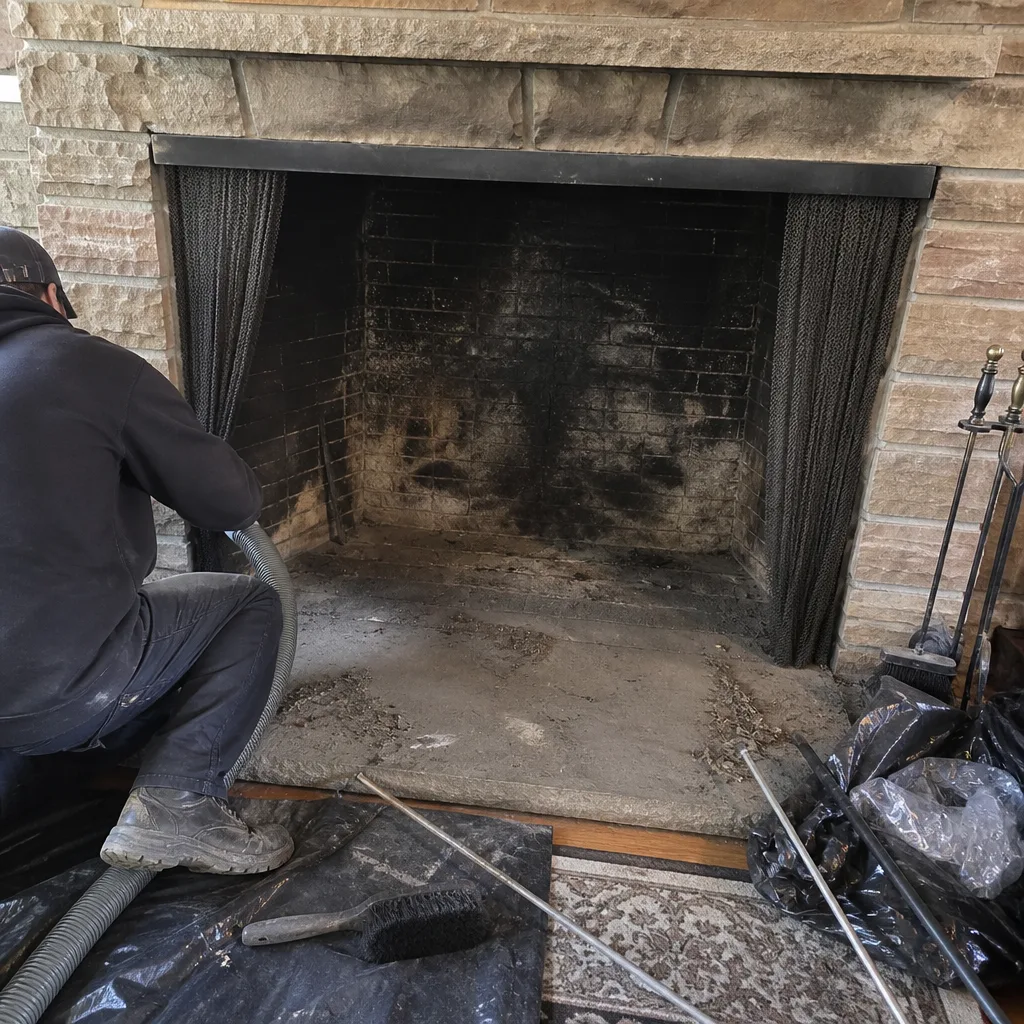 Before
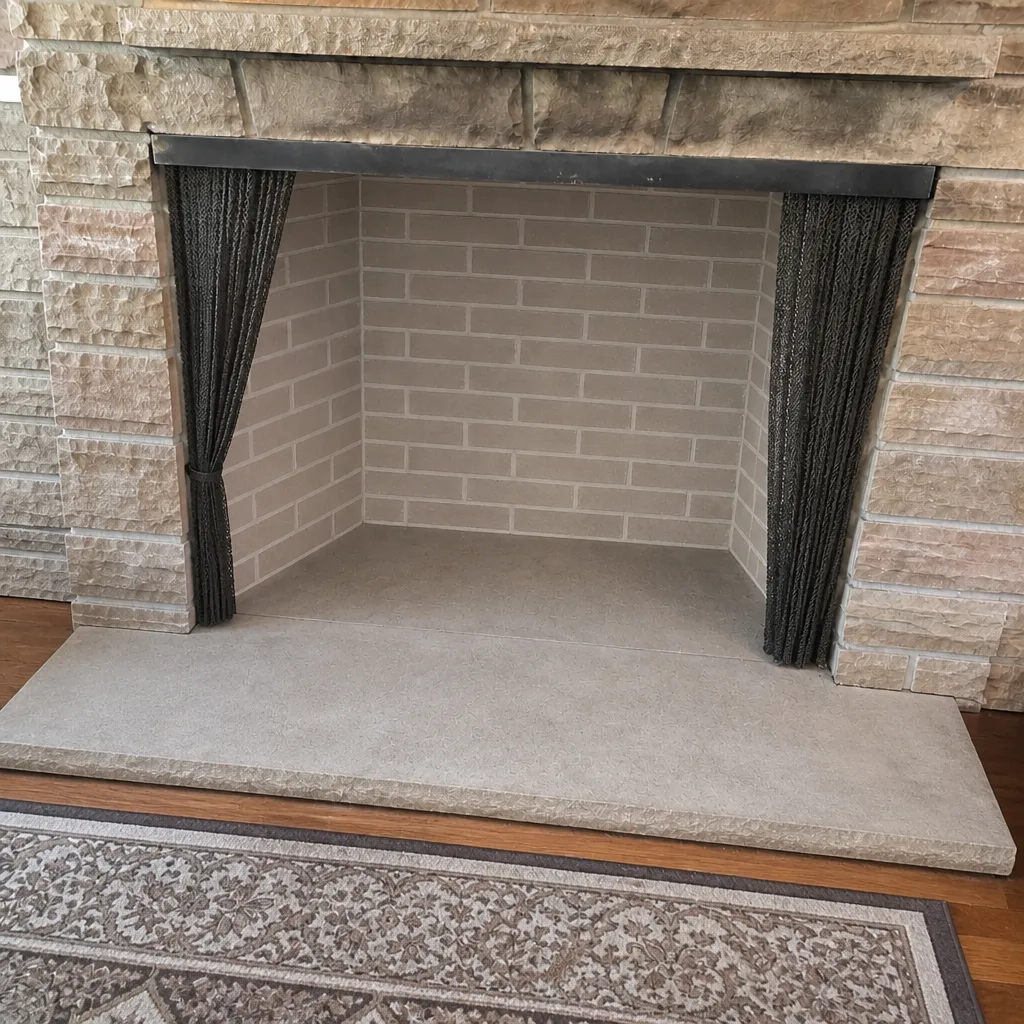 After
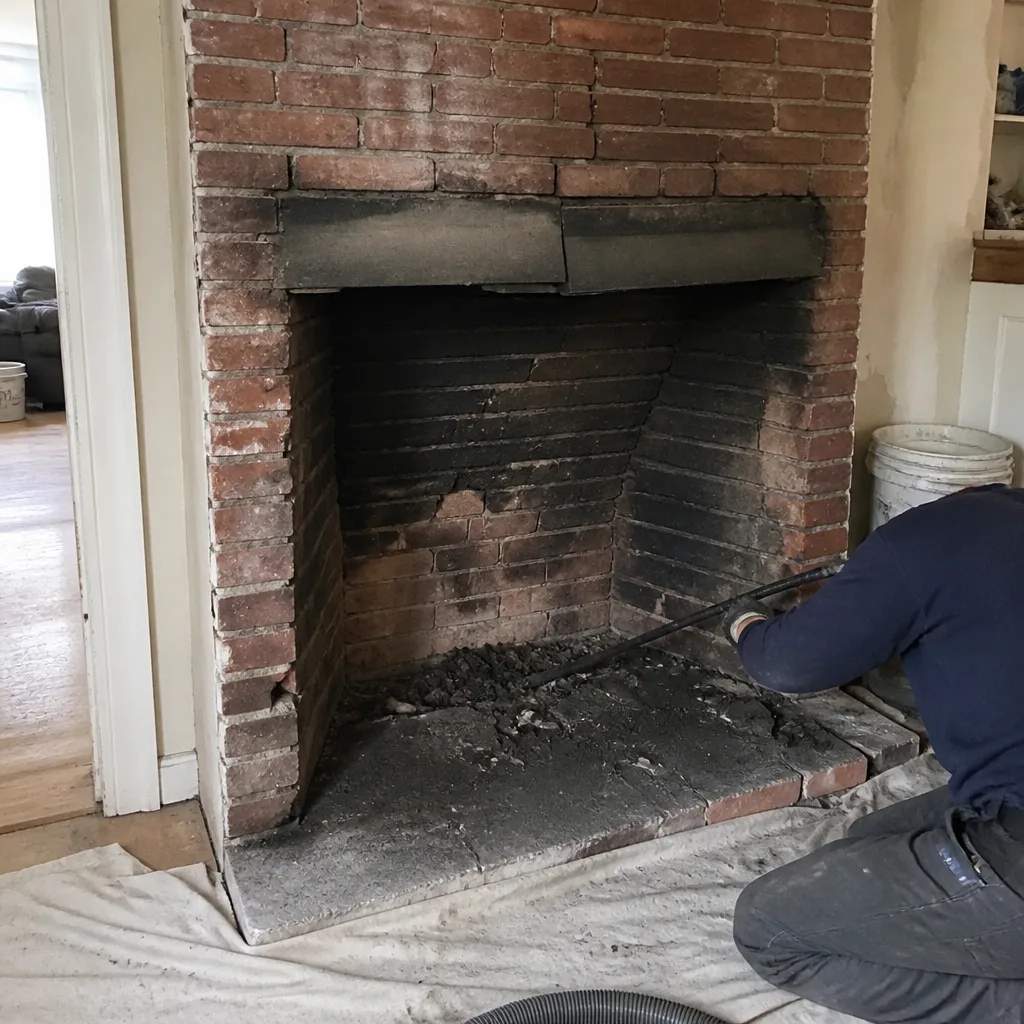 Before
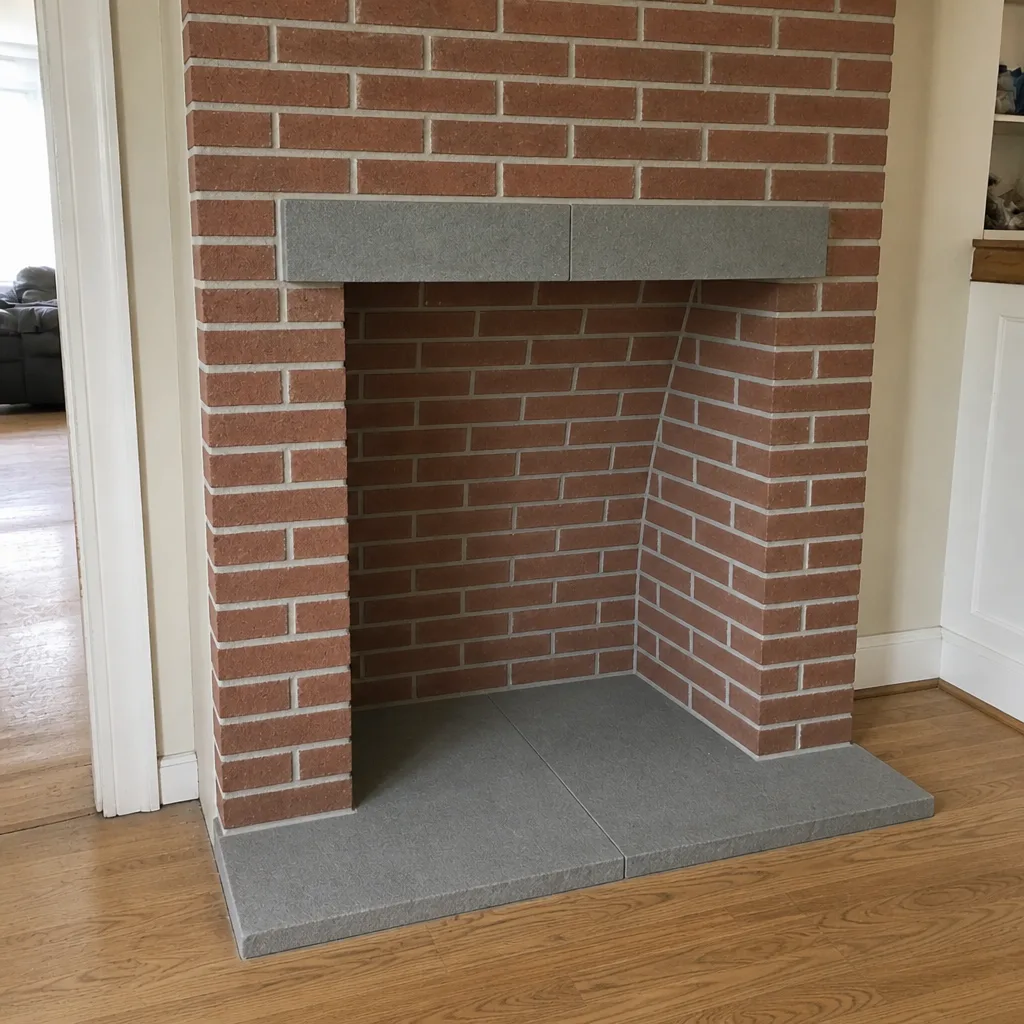 After
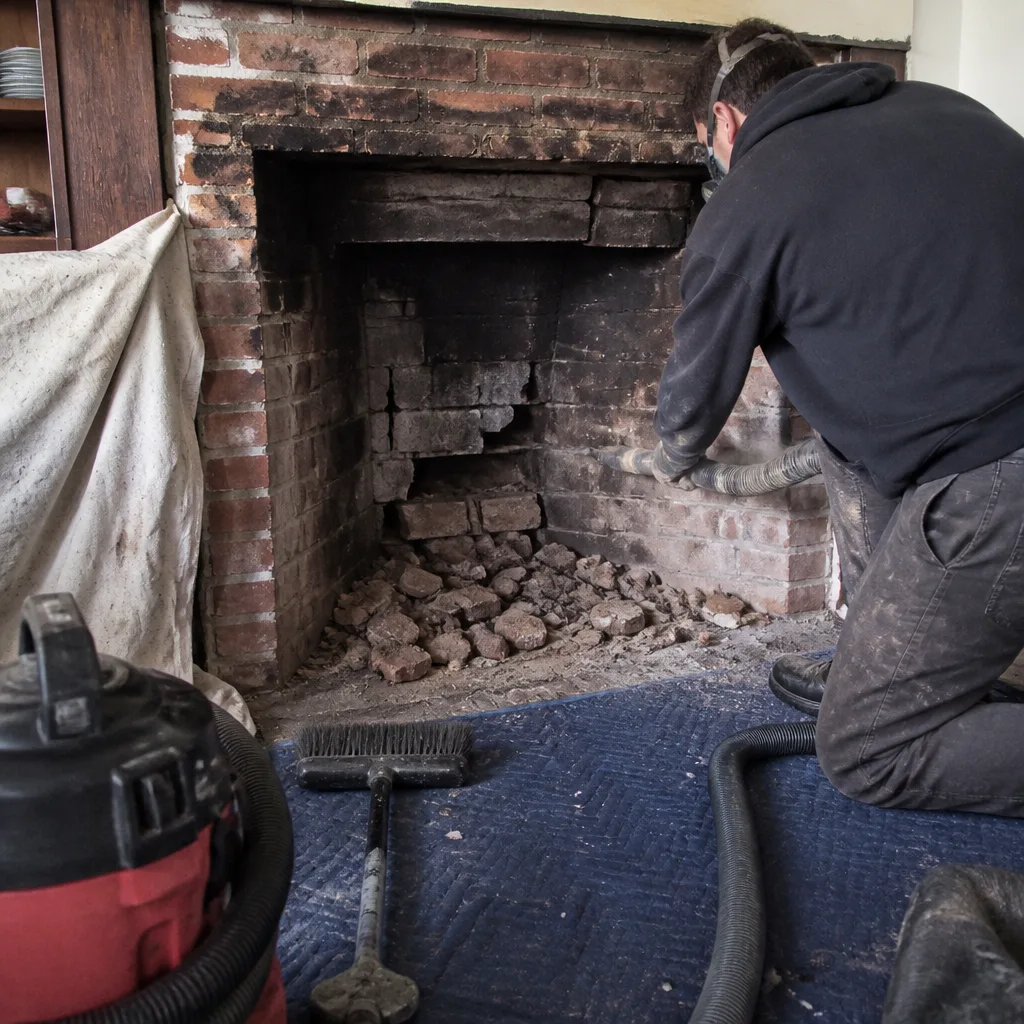 Before
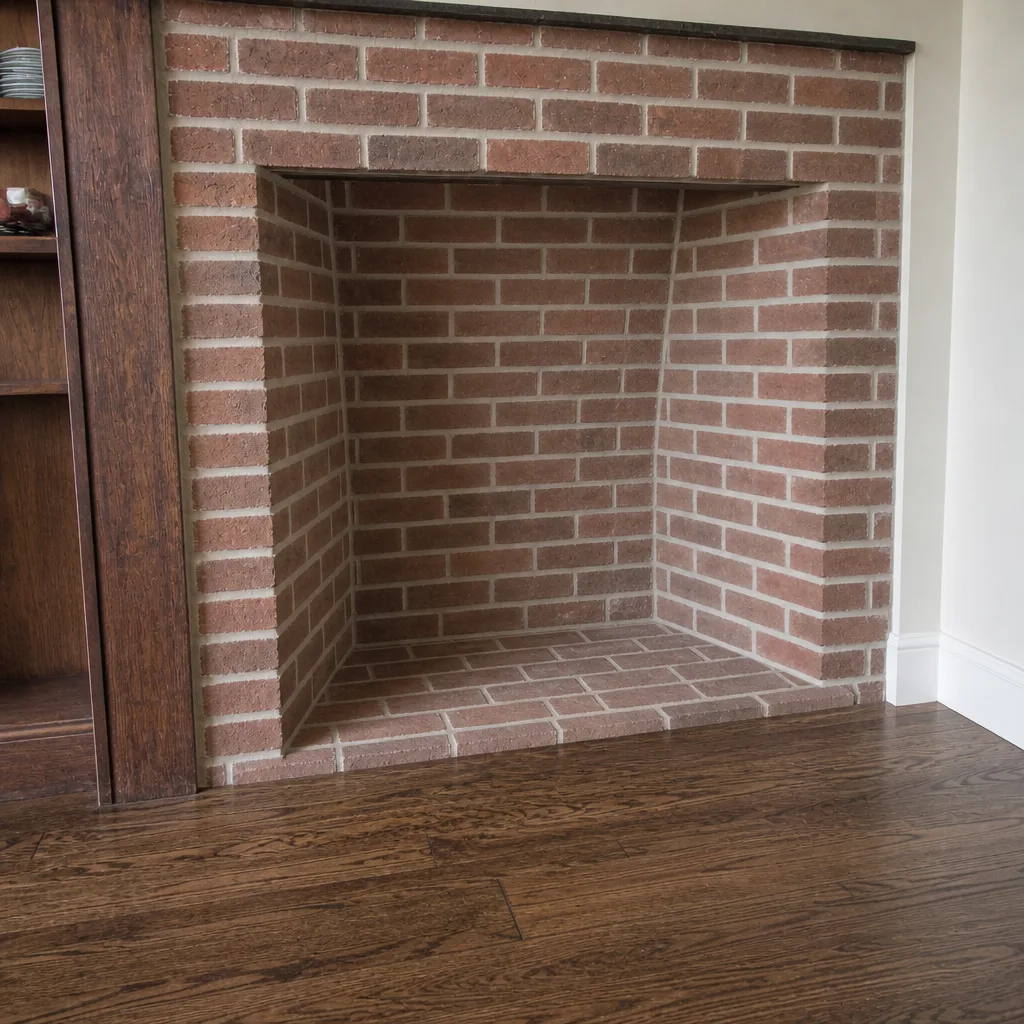 After
When to Call a Professional
Some situations call for a sweep sooner rather than later. You’ve just bought an older Dorchester home and don’t know the chimney’s history. You’re selling and a buyer’s inspection needs an independent condition report. You’ve noticed a strong smoky odor, a draft that pulls the wrong way, or soot falling into the firebox. You see cracked or missing mortar at the top of the chimney, or a cap that’s come loose. You’re burning wood more heavily than usual and it’s been more than a year since the last cleaning. Or you simply want the flue looked at before the season starts. A camera inspection gives you a straight answer about condition, and you can decide from their with evidence in hand. Chimney Sweep Dorchester offers free estimates in Dorchester. Call (844) 443-4495. We answer 24/7. Fast dispatch from 7am to 7pm, Sunday through Friday.
Frequently Asked Questions
A standard chimney cleaning in Dorchester typically runs about $175 to $425 in 2026, depending on flue length, roof access, fuel type, and creosote stage. A bundled camera inspection adds to that, and heavy glazed creosote or add-on cap and crown work pushes it higher. The written estimate sets the final price. Call (844) 443-4495 for an exact quote; estimates are free.
Because they usually aren’t the same job. One may cover a Stage 1 cleaning with no inspection, while the other includes a camera run, a smoke chamber cleaning, and a cap replacement. The difference in scope, not the difference in honesty, explains most of the gap. Ask each sweep the six comparison questions above to normalize the bids. Call (844) 443-4495 and we’ll walk you through what your home actually needs.
Not always. A cracked or worn liner sometimes can be restored with a resurfacing system like HeatShield rather than fully replaced, at a fraction of the cost, and whether that’s an option depends on what the camera shows. Nothing should be recommended without camera evidence you can see for yourself, and if the liner can safely wait, we’ll say so. Call (844) 443-4495 for an honest assessment.
Once a year is the general rule for a wood-burning fireplace in regular use, and an annual check makes sense for many gas appliances too. Heavier burning builds creosote faster and can justify a closer look. If you’ve just moved in and don’t know the history, start with a sweep and a camera inspection as your baseline. Call (844) 443-4495 to book a cleaning.
Creosote keeps building with every fire, and in its glazed Stage 3 form it’s concentrated fuel sitting on the flue wall, which is the condition most associated with chimney fires. A cracked liner can also let combustion gases into the home, which is a carbon monoxide concern. Neither is visible from the hearth. That’s why the annual sweep and a camera look matter. Call (844) 443-4495 to schedule before the season.
Not always. A standard cleaning covers brushing and soot removal, while a camera inspection is a separate tier (Level II) with its own equipment and time, which is why it’s often priced as an add-on. We offer inspection as a standalone service so you can get an independent report whether or not any repair is on the table. Call (844) 443-4495 to ask what’s included in your quote.
The Bottom Line
A chimney cleaning price isn’t one number. It’s the sum of decisions about flue length, roof access, fuel type, creosote stage, and inspection tier, plus any cap, crown, or liner work the job uncovers. When you understand how each piece is built, the spread between a $175 quote and a $425 quote stops being confusing and becomes useful. Ask which inspection tier is included, what creosote stage was found, and whether the cap and crown were checked. Get it in writing. That’s how you make sure you’re comparing equivalent scope, and how you avoid paying for work you can’t verify.
Chimney Sweep Dorchester focuses exclusively on chimneys, covering sweeping, cap and crown work, fireplace repair, structural chimney repair, and standalone inspection. We work with professional-trade systems from brands including DuraFlex and HeatShield, so restoration is on the table as an alternative to full replacement when the flue allows it. One call covers the whole system. Call (844) 443-4495 for a free estimate. We answer 24/7. Fast dispatch from 7am to 7pm, Sunday through Friday.
Written by the team at Chimney Sweep Dorchester.