
Last updated November 22, 2026
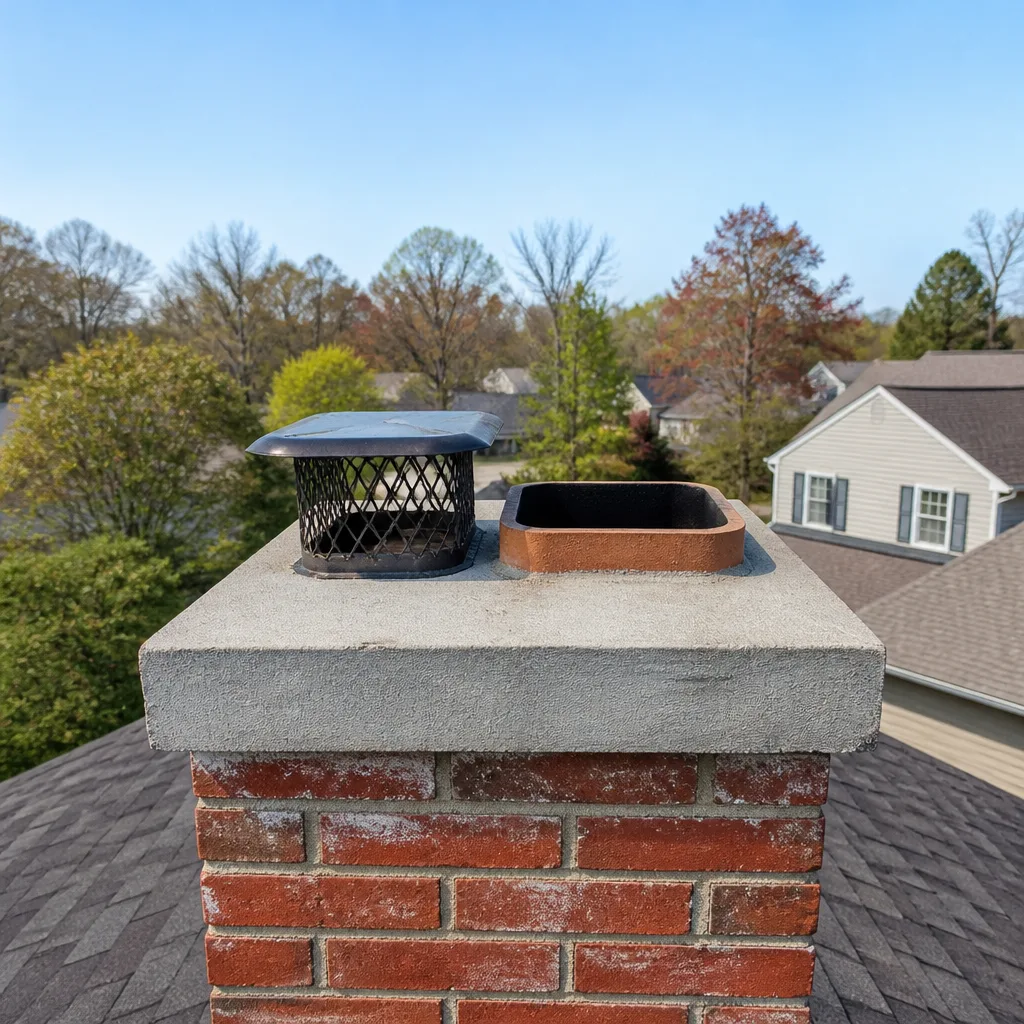 Sweep & inspection
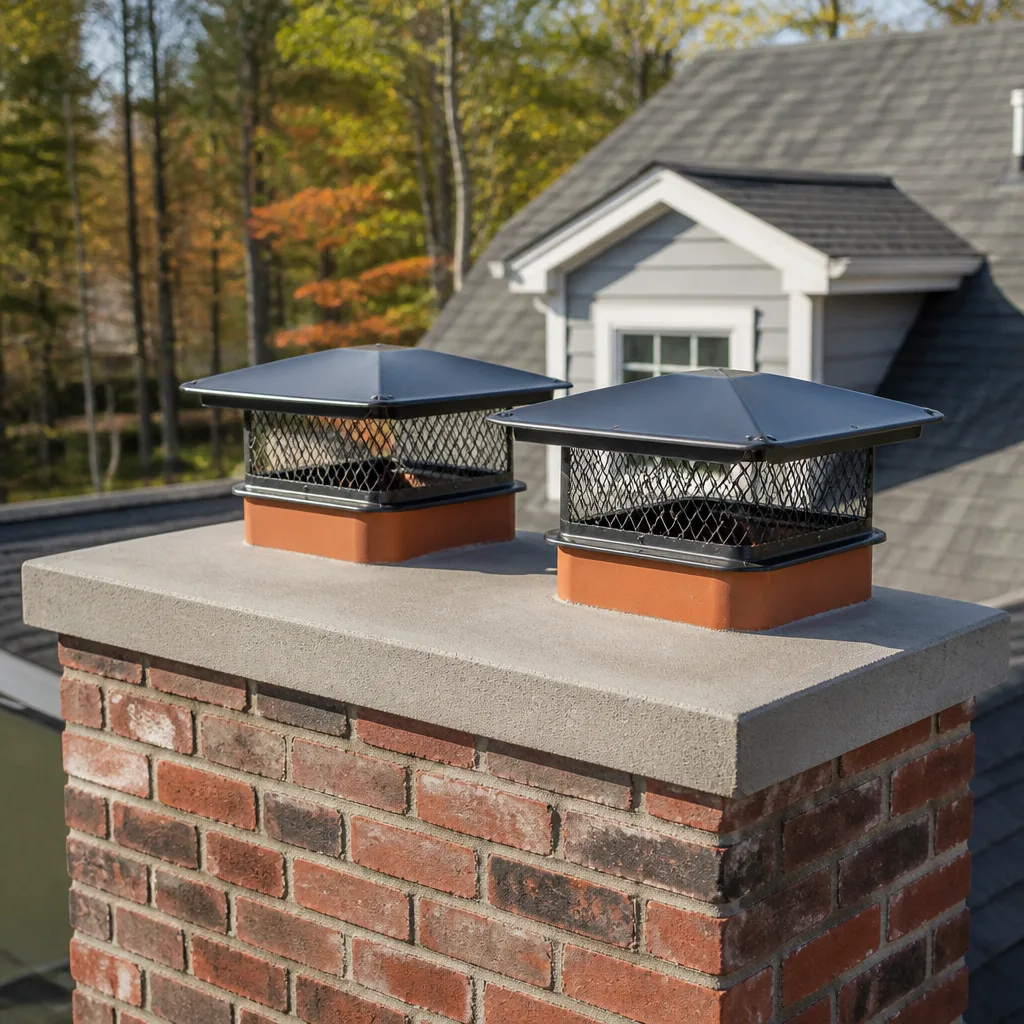 Caps & crowns
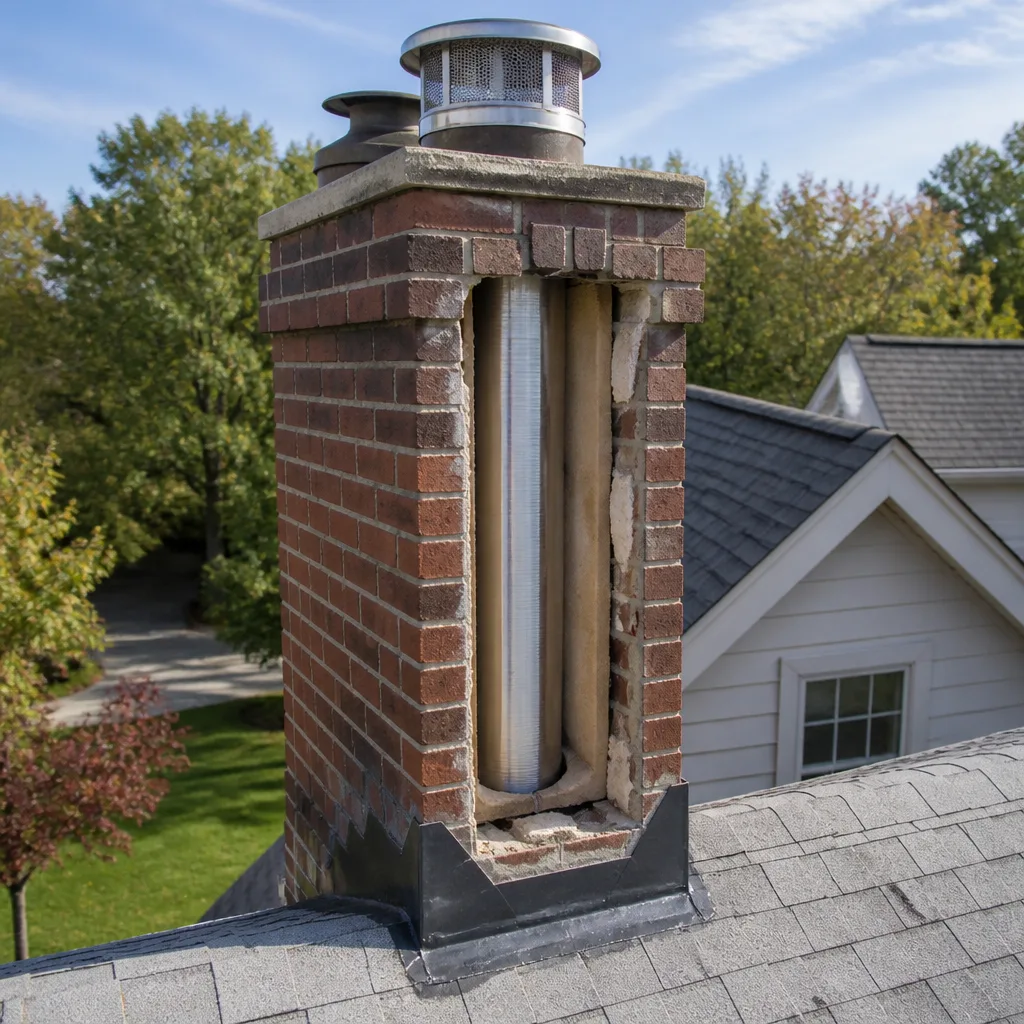 Flue relining
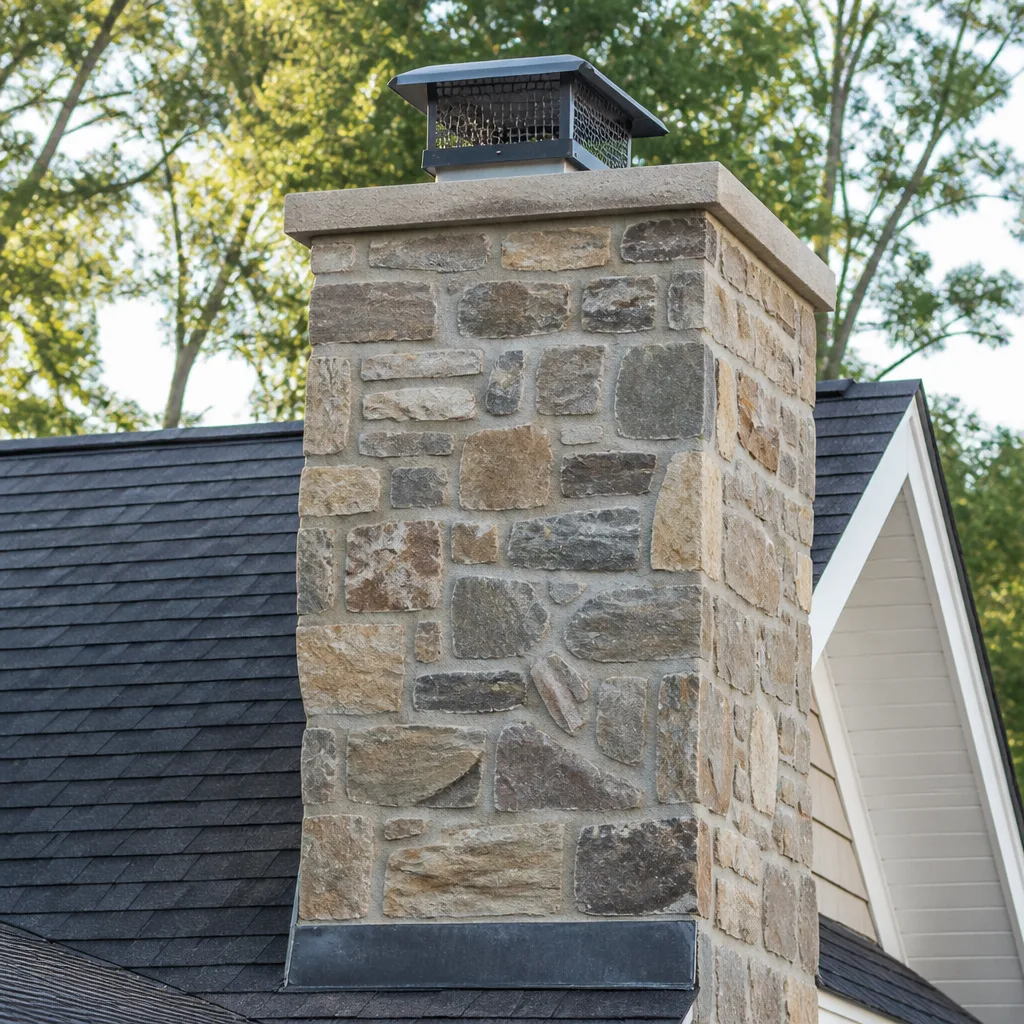 Masonry repair
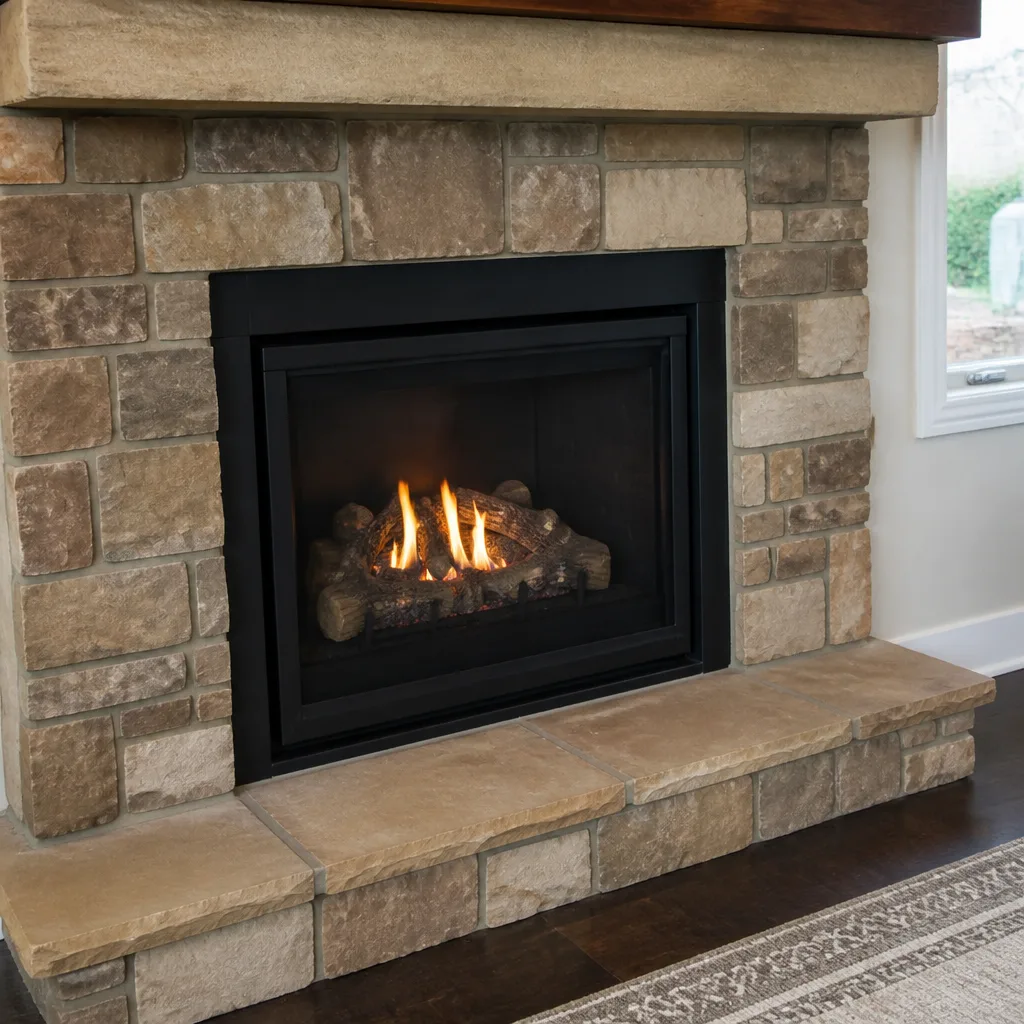 Gas fireplace service
Level 1 sweep and inspection to the NFPA 211 annual standard - flue, crown, cap, and flashing checked and photographed
Chimney sweep logs do not sweep chimneys. They loosen some creosote - which then falls where a brush and vacuum still have to collect it.
DIY vs Professional Chimney Cleaning: The Dorchester Homeowner’s Decision Guide
The chimney brush kit at the hardware store isn’t the problem. The problem is that it cleans what you can reach, and the creosote that causes chimney fires concentrates at the smoke shelf and upper liner sections that a homeowner working from below almost never actually addresses. That single fact sits at the center of every honest DIY vs professional chimney cleaning conversation in Dorchester, and it’s the one most guides skip past. We’re not going to tell you that cleaning your own flue is always reckless, because it isn’t. There are narrow, specific conditions under which a careful homeowner can do a real sweep and get a real result. This guide identifies those conditions precisely, shows you how to verify whether your chimney meets them, and makes equally clear where the DIY line truly falls.
Quick Answer
DIY chimney cleaning is reasonably safe only when you have a single-story, straight flue, Stage 1 creosote, and a liner that was recently inspected and cleared. In every other case, professional rotary equipment reaches deposits that consumer brush kits structurally cannot, and a professional sweep is the safer and ultimately cheaper choice. For most Dorchester homes, particularly older multifamily and triple-decker buildings with offset flues and years of unserviced buildup, professional cleaning is the correct call.
Styles & brands we work with
- Sweep & inspection
- Caps & crowns
- Flue relining
- Masonry repair
- Gas fireplace service
Table of Contents
- What Conditions Make DIY Cleaning Reasonably Safe?
- How to Verify Your Chimney Meets Those Conditions
- What Professional Rotary Equipment Removes That Brush Kits Can’t
- The Real Cost Comparison: Cash, Time, Mess, and Disposal
- Liability and Insurance: Why DIY Chimney Work in Massachusetts Matters
- The Honest Middle Path: DIY the Brushing, Hire the Inspection
- Common Mistakes to Avoid
- When to Call a Professional
What Conditions Make DIY Cleaning Reasonably Safe?
A competent homeowner can reasonably clean their own flue when four specific conditions line up at once. Miss any one of them and the calculation changes. This isn’t gatekeeping. It’s the same threshold we use when advising a neighbor whether to buy a kit or book a sweep, and we’d rather you hear it straight.
Here are the four conditions, in order of importance:
- Single-story, straight flue. A flue that runs vertically from the firebox to the top of the chimney with no offsets, no bends, and no more than one story of height can be cleaned from below or above with a hand brush. The moment the flue offsets around a structural beam, shifts laterally, or climbs two-plus stories, a hand brush stops reaching the far wall of the liner, and you end up cleaning the section you can see while ignoring the section you can’t.
- Stage 1 creosote only. Stage 1 creosote is the light, sooty, flaky deposit a brush lifts off with normal effort. Stage 2 is glazed and tar-like, and a hand brush skates over it. Stage 3 is hardened, puffy, and requires rotary mechanical action. You cannot know which stage you have without getting eyes on the inside of the liner, which brings us to the next condition.
- A recently inspected liner. “Recently” means within the past year, by someone qualified to look at the full length of the flue, not just the firebox throat. A cracked clay tile, a disconnected liner section, or a rusted-through joint turns a routine sweep into a real hazard if you’re the one up on the roof without knowing it.
- Safe roof access and no height concerns. We’re not going to give roof-walking instructions. If you’re not confident on your own roof, working from the top is not the right plan, and cleaning a tall flue from below rarely reaches the upper liner wall where creosote concentrates. That alone can disqualify DIY even in an otherwise clean setup.
In Dorchester, older housing stock means most homes fail at least one of these four. Classic triple-deckers and early-1900s single-families often have offset flues, multiple appliances sharing a chimney, and liners that have never been formally inspected. A homeowner in a single-story ranch with a straight flue and a Stage 1 deposit can make DIY work. A homeowner in a three-story Victorian with an unlined brick chimney and years of buildup cannot, and pretending otherwise is how house fires start.
How to Verify Your Chimney Meets Those Conditions
Verification is the step homeowners skip, and it’s the step that matters most. You cannot eyeball a flue from the firebox and know what’s up top. Here’s how to actually check each condition before you decide.
Checking the flue path
You can confirm a straight, single-story flue by looking at the exterior of the chimney and the interior layout. If the chimney rises straight up from the firebox through one floor and out the roof, it’s likely a direct path. If it shifts or angles at any point, or if the building is a triple-decker sharing a stack, you have an offset, and DIY just got harder. A professional camera inspection settles this in minutes and gives you a photo record you can actually look at.
Checking the creosote stage
Shine a strong flashlight up the flue from the firebox with the damper open. Stage 1 creosote looks like black soot or flaky ash. Stage 2 looks like shiny, hardened tar, often with a varnished sheen. Stage 3 looks like puffy, porous buildup. If you see Stage 2 or Stage 3, stop. A hand brush will not remove it, and scraping at it can ignite it if a hot ember reaches it. This is where a professional sweep earns its keep.
Checking the liner
You cannot verify a liner’s condition without looking at its full length with a camera. Clay tile liners crack. Metal liners separate at the joints. An unlined chimney with exposed brick mortar is a failure waiting to happen. You need a written inspection report confirming the liner is intact before you brush, not after. That’s why a standalone inspection is genuinely useful, even for a homeowner planning to clean their own flue. It’s an independent report on condition, not a setup for a repair sale.
Checking roof access
Be honest with yourself here. Walking a pitched roof, even a shallow one, in Dorchester’s winter months is genuinely dangerous, and spring and fall wind on a chimney crown can turn a careful step into a fall. If roof access isn’t something you already do confidently and with proper safety gear, DIY is off the table for anything but a straight flue cleanable from below.
If all four conditions check out, DIY cleaning is a reasonable option, and we won’t tell you otherwise. If any of them fails, the honest answer is that professional cleaning is the safer path, and no amount of consumer-grade equipment changes that. When you’re ready for an inspection that gives you the answer, see how a proper chimney inspection works.
What Professional Rotary Equipment Removes That Brush Kits Can’t
Consumer chimney brush kits and professional rotary cleaning systems are not the same tool at different price points. They’re different categories of equipment doing different jobs. Understanding why matters, because it explains why “I brushed it myself and it looks clean” doesn’t mean the flue is actually clean.
How a consumer brush works
A hand brush is a ball or bristle brush on a flexible rod. You push it up the flue and pull it back. It does two things well: it scrapes the walls it makes contact with, and it knocks loose soot off. What it cannot do is press firmly against the full circumference of the liner wall at every height, especially where the flue widens above the smoke shelf or where the liner runs past a structural offset. The bristles only apply real pressure where the rod leans, and most of the upper flue wall never gets that pressure.
How a rotary cleaning system works
A professional rotary system drives a spinning whip or chain head at controlled speed through the full length of the flue. The centrifugal force pushes the cleaning head against every part of the liner wall evenly, all the way up. That’s the difference. It removes glazed Stage 2 creosote, lifts the harder Stage 3 deposits where it can, and knocks the smoke shelf buildup free. We pair that equipment with professional-grade components from brands like Olympia Chimney and Famco when the job calls for replacing a component, not just cleaning around it. The right equipment and the right products belong together.
What gets missed by a hand brush
- The smoke shelf. The flat ledge just above the damper, where creosote accumulates fastest and the firebox draft is weakest. A hand brush from below almost never reaches it effectively.
- The upper liner sections. The top third of a flue collects more creosote than the bottom because it cools fastest. A hand-pushed brush is at its least effective exactly where the deposit is heaviest.
- Offset sections. Where a flue shifts, a rigid rod can’t turn the corner cleanly. A rotary head follows the liner wall.
- Glazed deposits. Stage 2 creosote needs mechanical force and, in some cases, chemical treatment. A brush just glides over it.
None of this is meant to be condescending to the homeowner who bought a kit and got after it. It’s simply what the equipment is and isn’t built to do. A hand brush cleans what it can reach. A rotary system cleans what the flue actually contains. For a deeper look at how a proper chimney sweep handles the full flue from smoke shelf to cap, that’s the section worth reading next.
The Real Cost Comparison: Cash, Time, Mess, and Disposal
The honest comparison isn’t just the price of a brush kit versus a professional sweep. It’s the total cost of both paths, including the costs homeowners don’t usually count until they’ve lived through them once. Here’s the line-item breakdown we walk through with homeowners in Dorchester before they decide.
| Cost factor | DIY path | Professional path |
|---|---|---|
| Equipment | Brush kit, rods, drop cloths, shop vacuum with HEPA filter, safety gear – stays with you or sits in the garage after one use | Included in the service – no purchase, no storage |
| Time | Several hours for setup, cleaning, cleanup, and disposal, more if you have to stop and buy what you forgot | Scheduled appointment, booked with a flat-price sweep agreed before the visit |
| Mess containment | Soot gets everywhere the drop cloths miss – carpets, upholstery, HVAC returns | Professional containment and a camera inspection with a photo report so you see the result |
| Hazardous disposal | Soot and creosote collected in bags you then have to dispose of safely, not in regular household trash | Removed and handled per local disposal rules as part of the sweep |
| Verification | You trust your eyes on a flue you can’t fully see | Camera inspection with photo evidence included |
| Insurance | Your homeowner’s policy may question a fire claim following unpermitted, unprofessional chimney work | Documented professional service on record |
The cash outlay for a professional sweep relative to a brush kit looks lopsided at first glance. Add up the equipment you’ll realistically buy, the vacuum filter upgrades that actually contain soot, the bagged creosote you now have to dispose of, and the hours of your life you spent on a ladder, and the gap narrows considerably. Add the cost of a chimney fire that started because the deposit you couldn’t see kept building, and the comparison stops being close.
The written estimate sets the final price on any professional work, and you’ll know what you’re paying before the sweep is booked. That’s not a sales line. It’s how a fair chimney service should work, and it’s the reason a flat-price sweep agreement matters more than the sticker price of a brush kit.
Liability and Insurance: Why DIY Chimney Work in Massachusetts Matters
This is the section most DIY guides skip entirely, and it’s the one with the longest tail. If a chimney fire damages your Dorchester home after you’ve cleaned your own flue, your homeowner’s insurance carrier will investigate the cause. What they find can affect how your claim is handled, and that’s a consequence worth understanding before you pick up a brush.
What insurers look at after a chimney fire
Adjusters reviewing a chimney fire claim will want to know:
- When the chimney was last professionally cleaned or inspected, and whether there’s documentation.
- Whether the fire was caused by creosote buildup, a liner failure, or a structural defect that a professional service would have caught.
- Whether any work was done by an unlicensed or uninformed party, including the homeowner, in the period before the fire.
There’s no blanket rule that a DIY sweep voids coverage, and we’re not going to claim one exists. What we will say plainly is that a documented professional sweep and inspection puts you on much firmer footing if a claim ever arises. It’s evidence the chimney was maintained, and evidence matters in a claim investigation. A homeowner who brushed their own flue the season before a fire has a harder time proving the work was done competently, regardless of how carefully it was actually done.
Massachusetts code requires that chimney work meet current standards, and unpermitted structural changes or liner installations by unqualified people can create compliance issues that surface during a claim review or a home sale. For a homeowner planning to stay in their Dorchester home long-term, the compliance question is less urgent, but for anyone who might sell in the next few years, it becomes real. A buyer’s inspector will flag an unlined or improperly modified chimney, and the resulting negotiation can cost far more than years of professional sweeps combined. If you’re in a transaction, a standalone chimney inspection gives you the honest condition report that keeps the deal moving.
One more note on safety: if your chimney has no liner or a damaged one, no amount of brushing from any direction solves it. That’s a job for liner restoration, and in many cases a HeatShield resurfacing can rehabilitate the flue without full demolition, which is a cost-saving alternative to a complete liner replacement that a general handyman likely won’t offer or know how to install.
The Honest Middle Path: DIY the Brushing, Hire the Inspection
There’s a real middle path here, and we want to name it clearly because it’s genuinely useful for the right homeowner. If your chimney meets all four DIY conditions from earlier in this guide, you can reasonably handle the brushing yourself and hire a professional for the inspection. That split works because brushing and inspecting require different tools and different eyes.
Here’s how to structure it:
- Book a standalone inspection first. Before you touch a brush, have the flue inspected with a camera. Confirm the liner is intact, confirm the creosote stage, and get a photo report you can keep. An independent inspection is exactly that, an assessment of condition, not a setup for a repair sale. If the report says Stage 1 and an intact liner, you have the green light to brush yourself.
- Brush the flue with proper containment. Drop cloths, a HEPA vacuum running the whole time, and a bag for the collected soot and creosote. Don’t rush it, and don’t skip the smoke shelf. If you can’t reach the smoke shelf effectively from below, this is where the DIY path stops and the professional one starts.
- Book a follow-up inspection or sweep during the season. Even a well-brushed flue benefits from a professional pass each year, particularly if your home sees heavy winter use. A quick follow-up inspection confirms the deposit level and catches anything your brush didn’t lift.
This middle path is how a Dorchester homeowner with a single-story, straight-flue setup can save on the routine brushing while still getting the safety verification that matters. The inspection is the piece that’s genuinely hard to do yourself, and it’s the piece that protects your home and your insurance position. It’s also the piece that quietly catches the problems a brush can’t fix. For the full view of what a standalone inspection covers, see how chimney inspection works in Dorchester.
Where the middle path breaks down is on chimneys with offset flues, Stage 2 or Stage 3 creosote, or any liner concern. In those cases, the brushing is the part a professional needs to do, and the DIY half of the plan doesn’t apply. If you’re unsure which side of the line you’re on, that’s the call an inspection settles in a single visit.
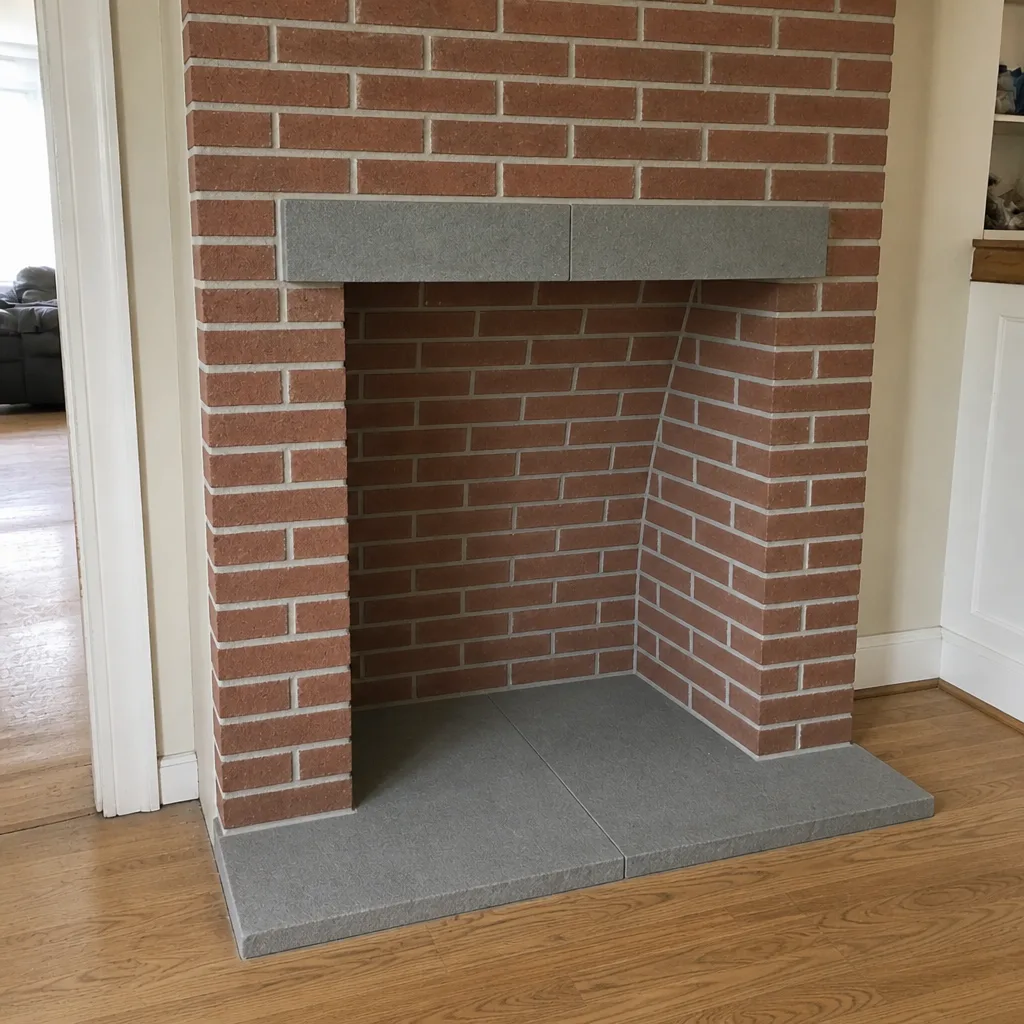
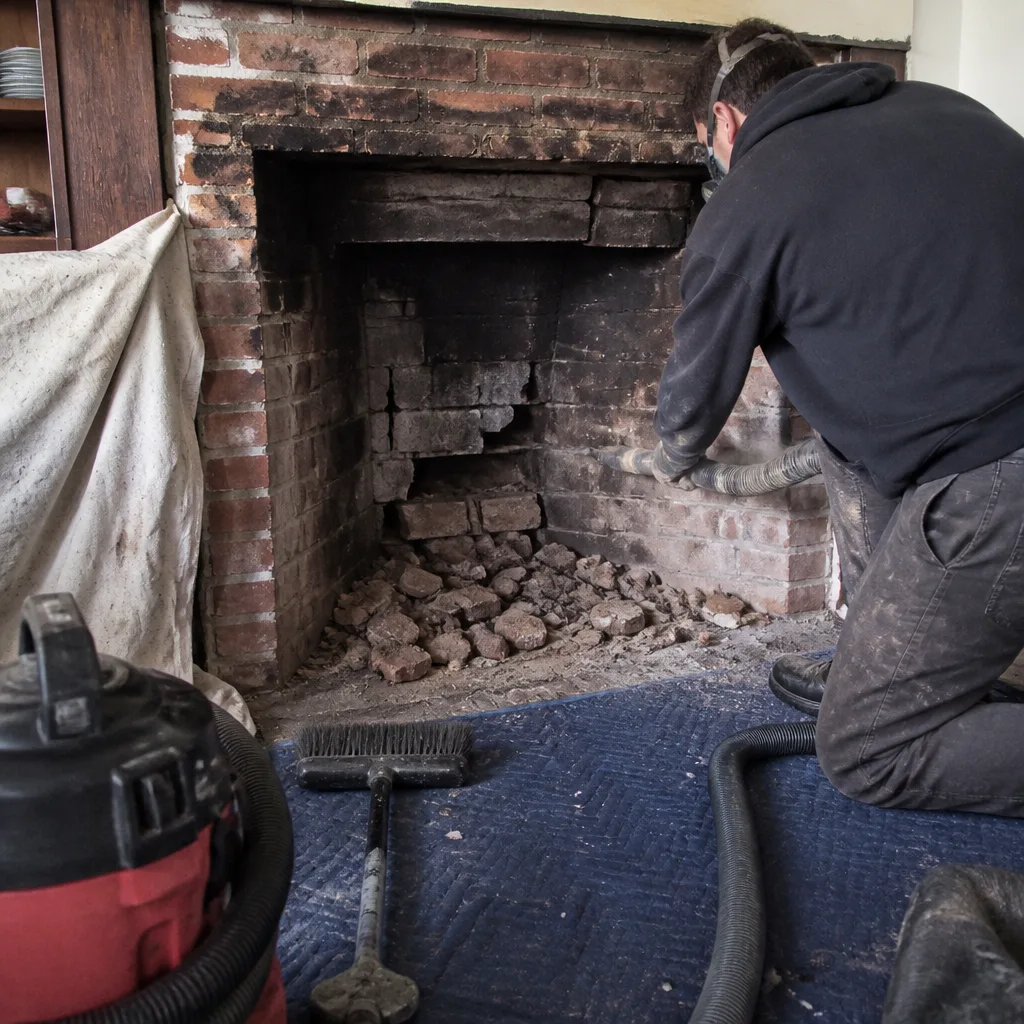
See the difference
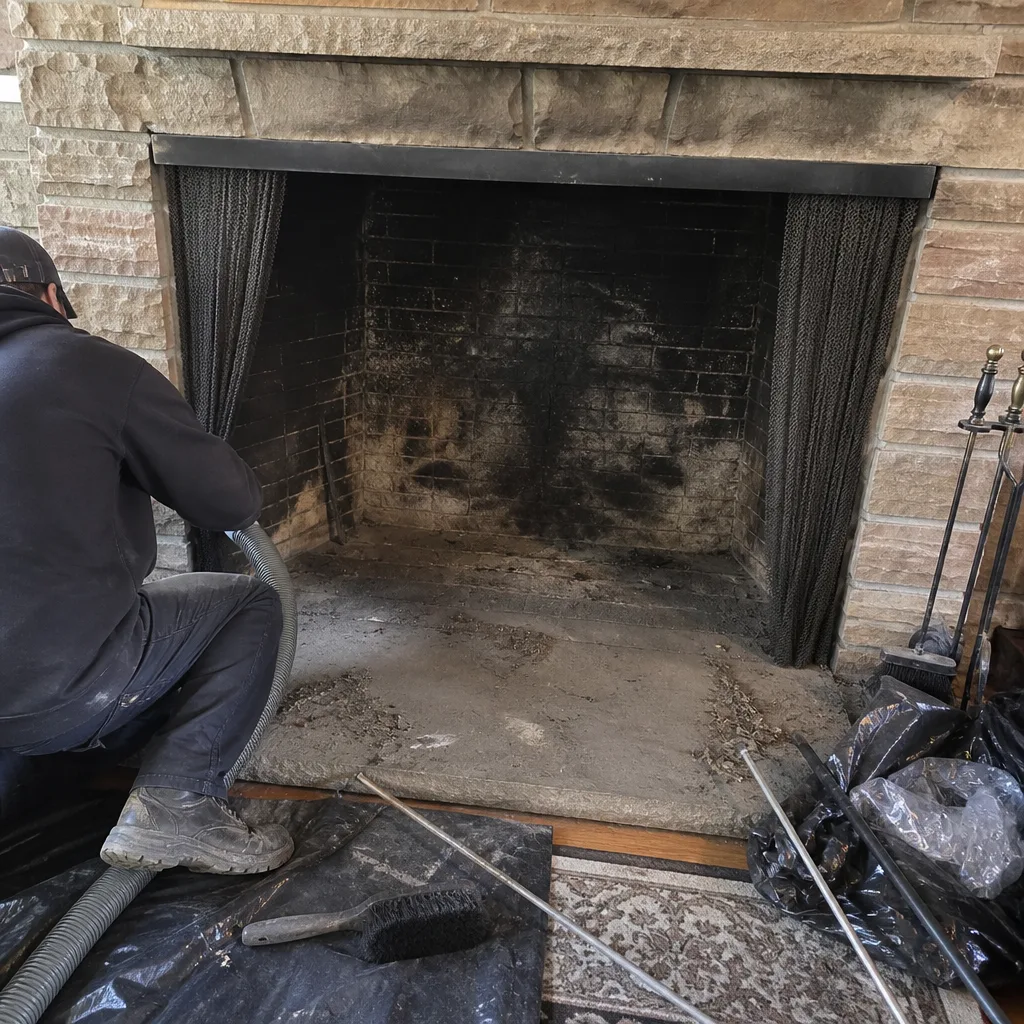 Before
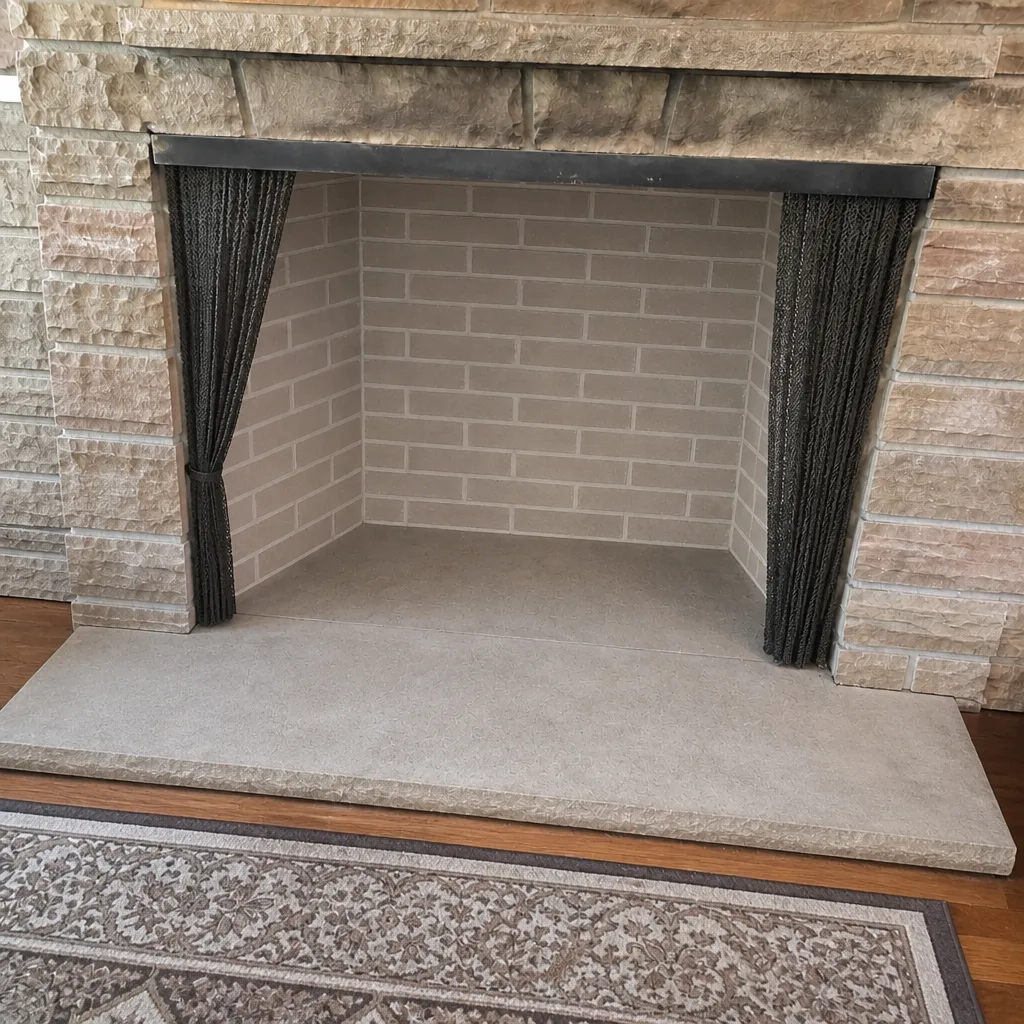 After
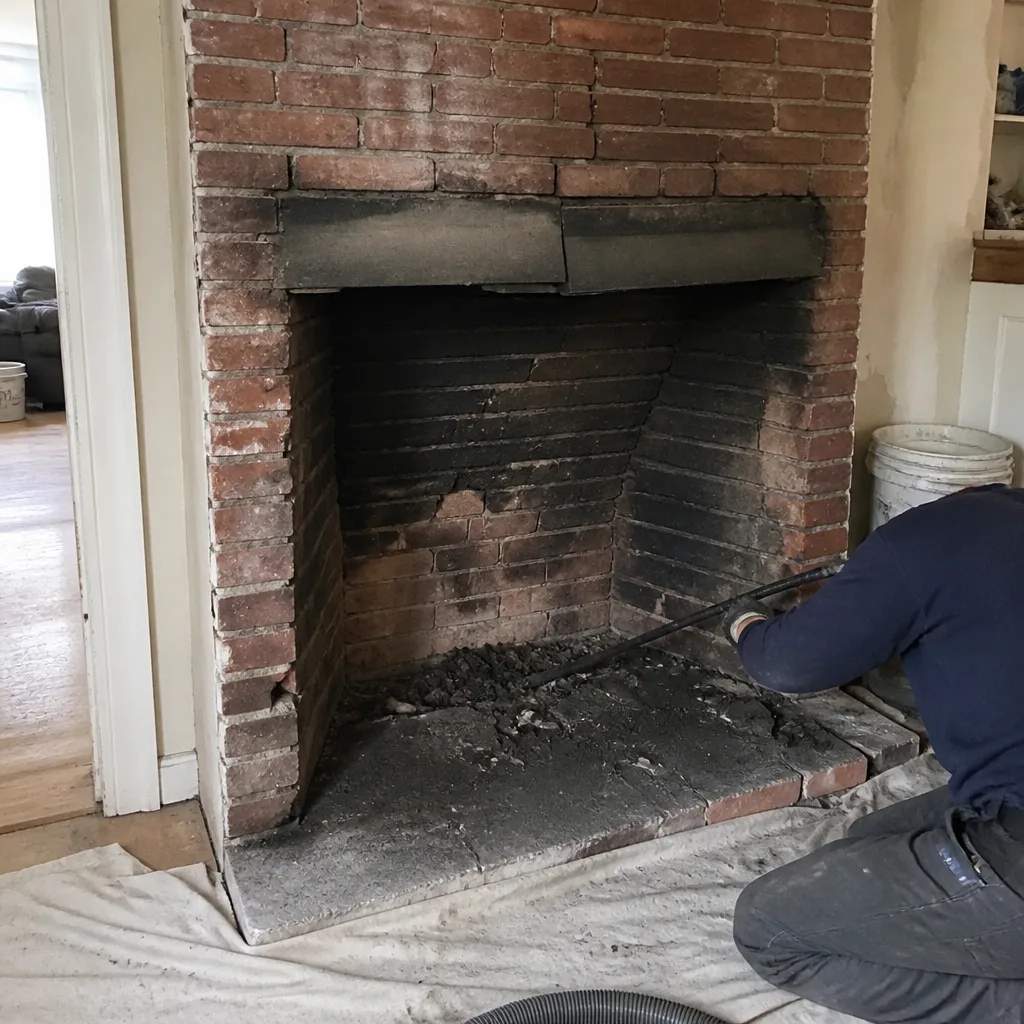 Before
 After
 Before
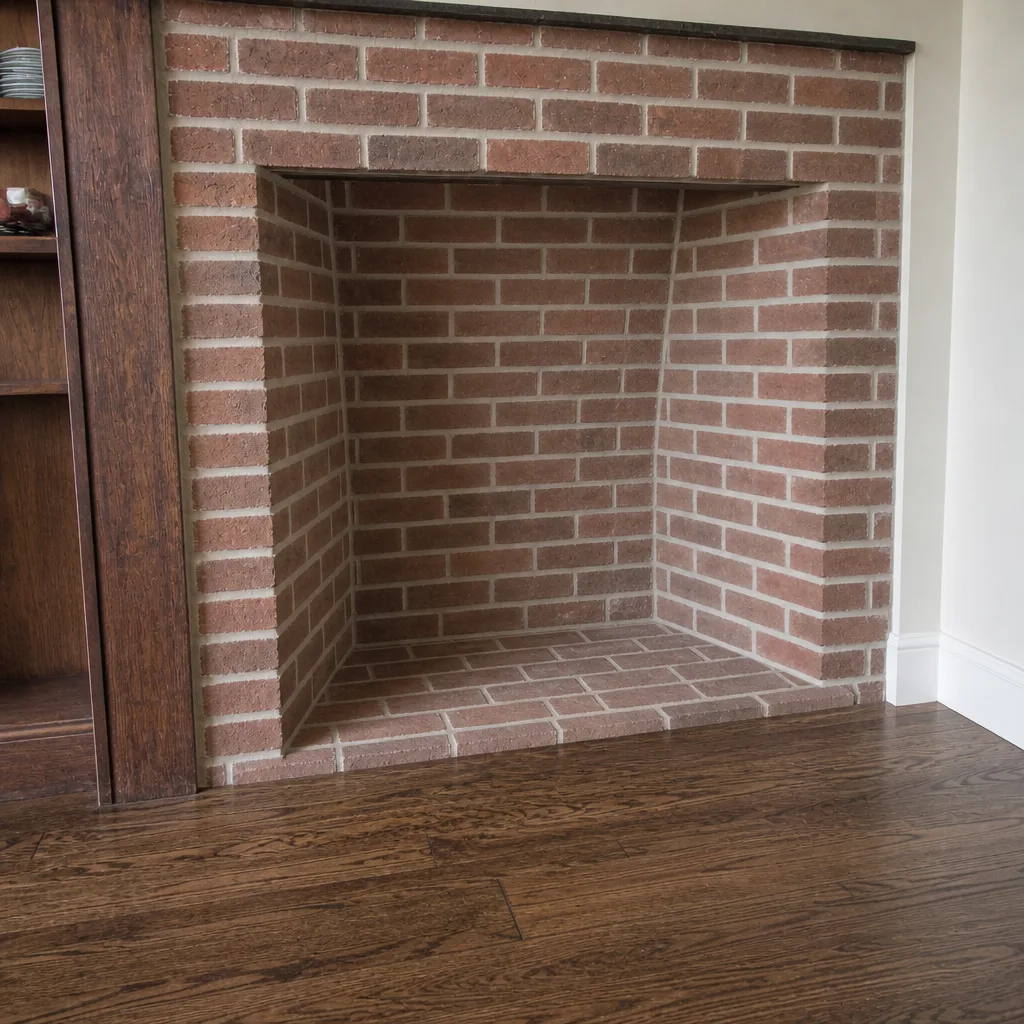 After
Common Mistakes to Avoid
- Brushing a Stage 2 or Stage 3 deposit. A hand brush glides over glazed creosote and can knock bits loose that ignite above. If you see shiny tar or puffy buildup on the flashlight check, don’t brush it, book a professional sweep.
- Cleaning from below on a tall or offset flue. The upper liner collects the most creosote, and a hand brush from below rarely reaches it with any pressure. In a triple-decker Dorchester building, this mistake is almost guaranteed on the first DIY attempt.
- Skipping the smoke shelf. Creosote builds fastest on the flat ledge above the damper. A brush that goes straight up the flue leaves the most dangerous deposit untouched, and it’s the hardest spot to clean correctly without rotary equipment.
- Cleaning over carpets without a HEPA vacuum. Soot travels. A shop vacuum with a standard filter sprays fine soot back into the room, and it settles into upholstery and HVAC returns where you’ll live with it for months.
- Disposing of creosote with regular trash. Bagged creosote is a hazardous material, and Dorchester disposal rules don’t treat it like household waste. Read your city’s disposal guidance before you bag it up and set it on the curb.
- Brushing without an inspection first. Cleaning a flue with a cracked liner or a disconnected joint can push soot into wall cavities or expose the building to gases the liner was meant to contain. The inspection comes before the brush, every time.
- Assuming a clean-looking firebox means a clean flue. The firebox is the part you can see. The part that causes chimney fires is 15 feet up where the camera goes. Judge the chimney by the inspection report, not the hearth.
When to Call a Professional
Call a professional sweep when any of these apply: your flue has an offset or runs more than one story; your flashlight check shows Stage 2 or Stage 3 creosote; your liner has never been formally inspected or you’re not sure it has; your chimney is unlined or shows cracked tiles; you’ve had a chimney fire or a creosote-flake drop into the firebox; you’re in a home sale or purchase and need a documented inspection; or you simply don’t want to be on the roof. For homes in Dorchester, the older housing stock and multi-unit buildings push most cases toward professional cleaning for good reason. A flat-price sweep agreed before booking, a camera inspection with a photo report, and a satisfaction guarantee all belong in a fair sweep, and you shouldn’t accept less. Chimney Sweep Dorchester offers free estimates in Dorchester. Call (844) 443-4495. Our technicians have up to 10 years of experience, and we work exclusively on chimneys.
Frequently Asked Questions
The cost is set per job by a written estimate, and you’ll know the flat price before the sweep is booked. A routine sweep for a single firebox is less than a sweep that includes a camera inspection or a liner issue. Call (844) 443-4495 for an exact quote. Estimates are free, and there’s no surprise pricing once the written estimate is agreed.
Not always. A damaged or unlined chimney often needs only a HeatShield resurfacing, which rehabilitates the existing flue without full demolition and costs a fraction of a full liner replacement. A full replacement is justified only when the liner is structurally beyond restoration. The inspection report and camera photos show you exactly which situation you have, so nothing is recommended without evidence you can see for yourself.
Once a year for a wood-burning fireplace in normal use, and more often if you burn heavily through the winter. Dorchester’s heating season runs long, and homes that burn daily from October through March accumulate creosote faster than occasional users. An annual inspection catches the deposit level and confirms the liner is intact, which matters more than the sweep schedule on its own. Call (844) 443-4495 to book a sweep and keep the schedule steady.
Creosote builds up at the smoke shelf and upper liner, where it’s the last place a hand brush reaches and the first place a chimney fire starts. A spark or a hot ember can ignite it. Carbon monoxide risk also rises if a liner defect goes undetected, since the liner is the barrier between flue gases and the structure. Neither risk announces itself until the day it matters. The safe habit is a yearly inspection and sweep.
Yes, if all four conditions are met: single-story straight flue, Stage 1 creosote, a recently inspected intact liner, and safe roof access. Most Dorchester homes fail at least one of those, especially older triple-deckers with offset flues. If any condition is uncertain, the safe answer is professional cleaning. Call (844) 443-4495 to have an inspector confirm the conditions for you.
Because chimney work rewards focus. We work exclusively on chimneys, which means our technicians spend all their time on flues, caps, crowns, liners, and fireplaces rather than spreading attention across HVAC or general handyman work. We carry professional-grade components from brands like Gelco and Copperfield, and we use restoration-grade liner systems like HeatShield and DuraFlex that rehabilitate an aging chimney without demolition. For a chimney cap & crown or a full fireplace repair, the same focused trade skills apply. Call (844) 443-4495 for a free estimate.
The Bottom Line
DIY chimney cleaning is a reasonable choice for a narrow set of homeowners: single-story, straight flue, Stage 1 creosote, recently inspected intact liner, and safe roof access. If any of those four conditions is uncertain or fails, professional cleaning is the safer and ultimately cheaper path, both for fire risk and for insurance documentation. The real cost of DIY isn’t the brush kit. It’s the creosote at the smoke shelf and upper liner that the kit never reaches. The honest middle path, brushing it yourself and hiring a professional inspection, works only when the conditions are verified first. For everything else, a professional sweep with a camera inspection and photo report is what protects your Dorchester home. Call (844) 443-4495. We answer 24/7. Fast dispatch from 7am to 7pm, Sunday through Friday.
Written by the team at Chimney Sweep Dorchester.