
Last updated November 22, 2026
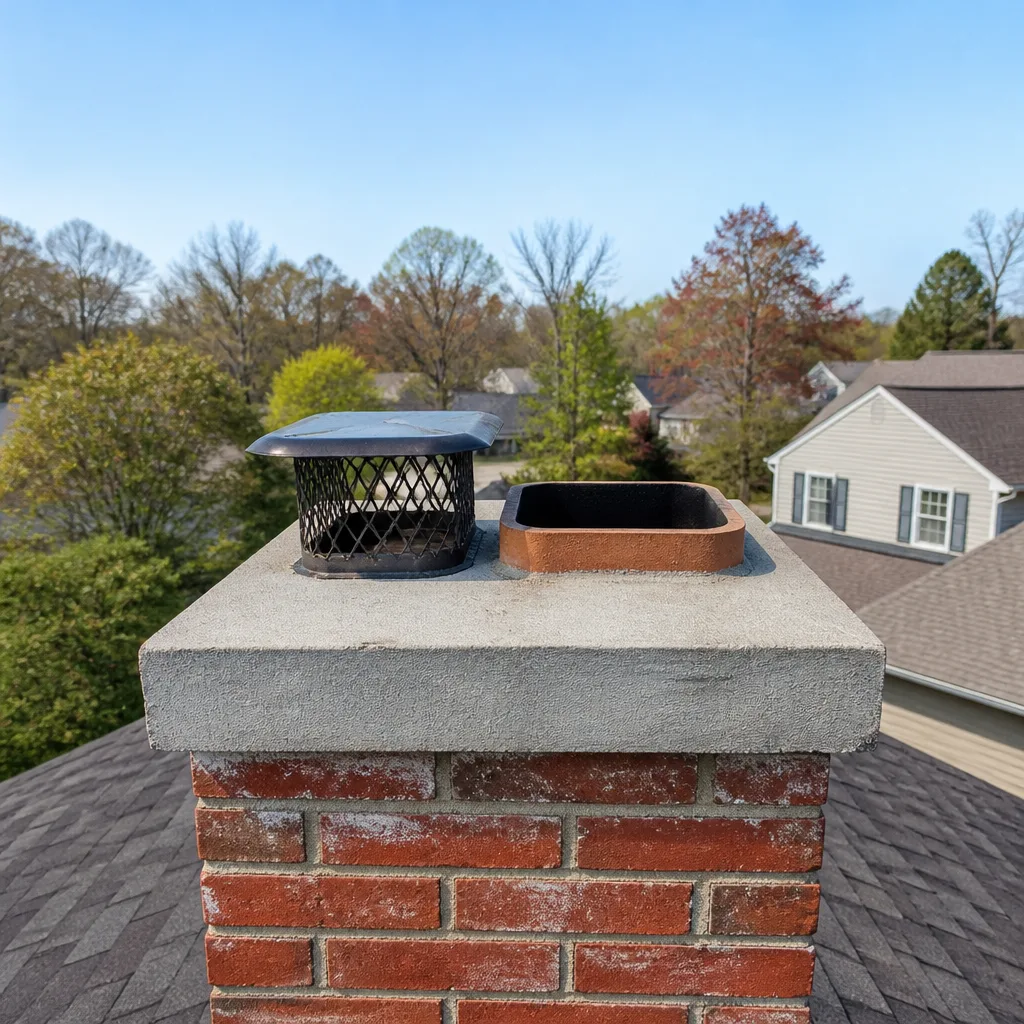 Sweep & inspection
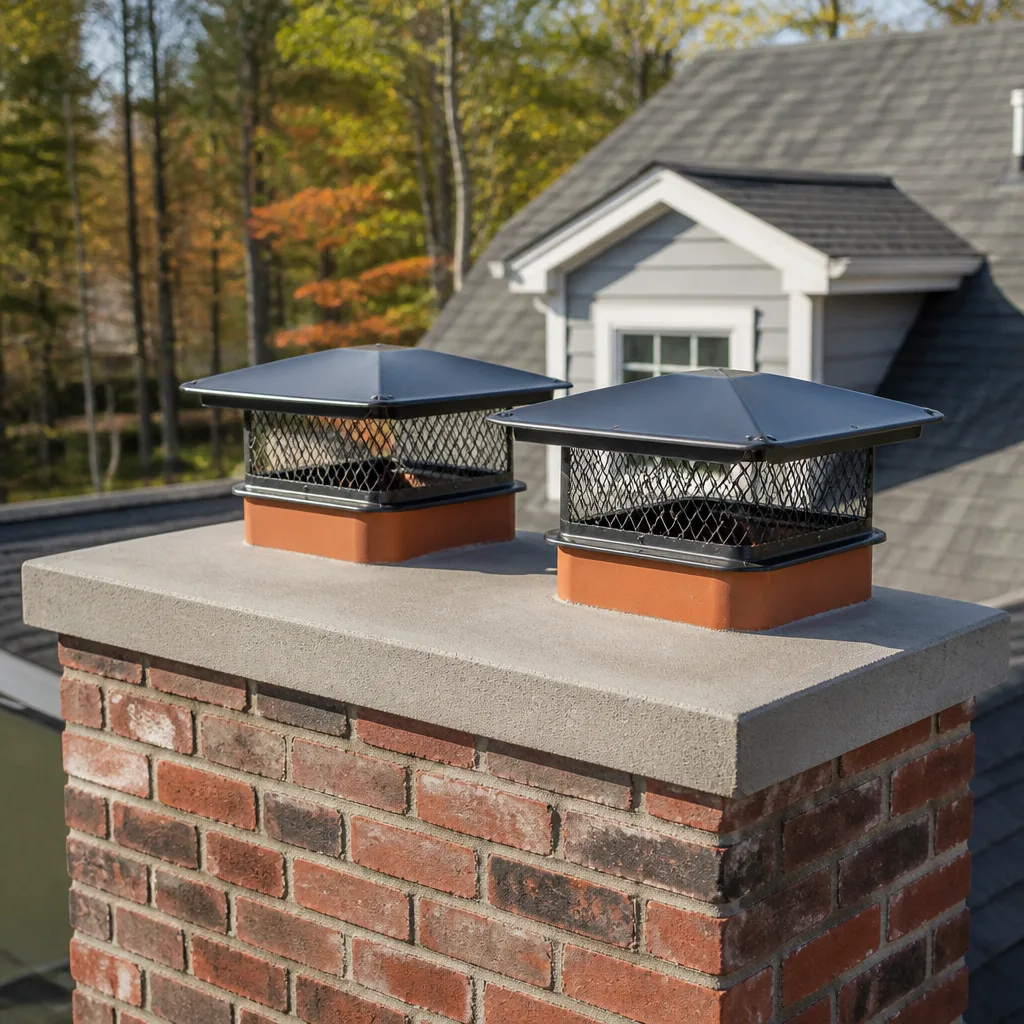 Caps & crowns
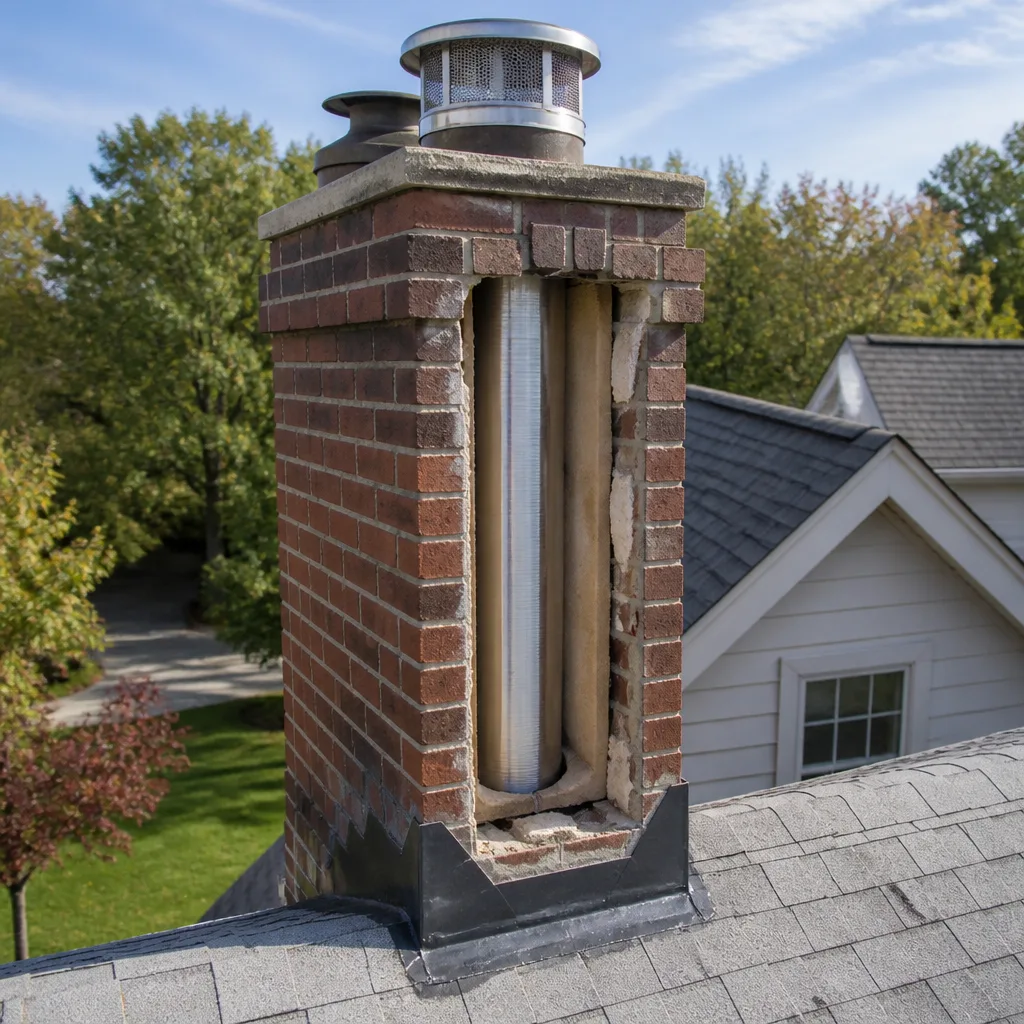 Flue relining
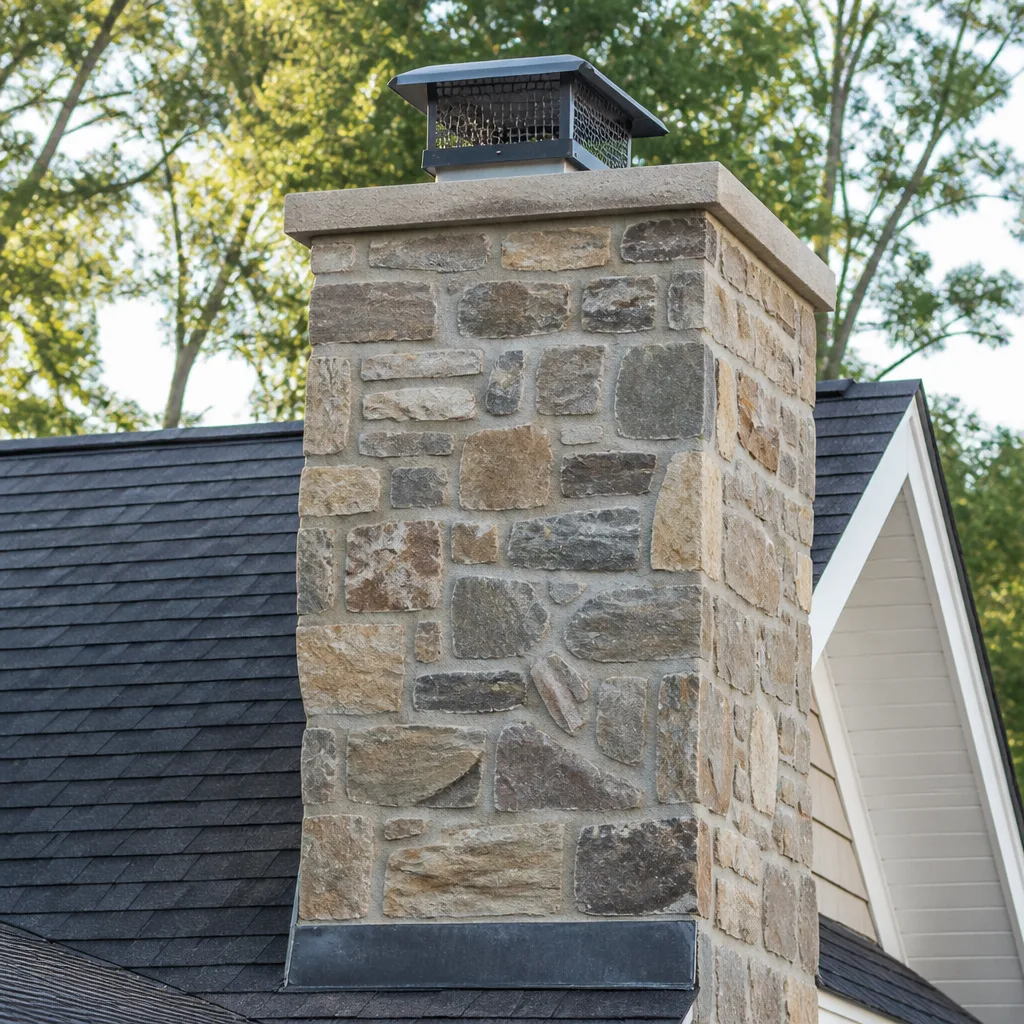 Masonry repair
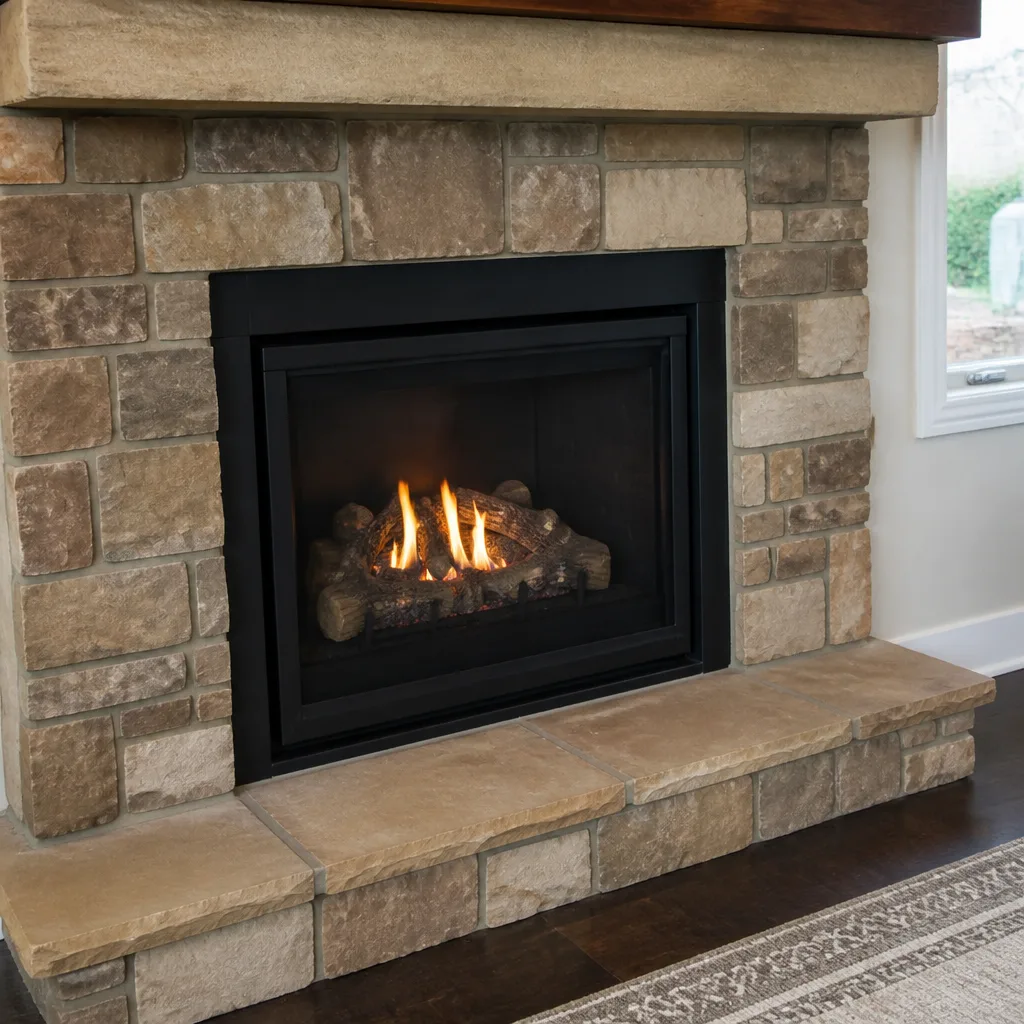 Gas fireplace service
Level 1 sweep and inspection to the NFPA 211 annual standard - flue, crown, cap, and flashing checked and photographed
Chimney sweep logs do not sweep chimneys. They loosen some creosote - which then falls where a brush and vacuum still have to collect it.
Chimney Cleaning Emergency Preparedness Guide for Dorchester Homes
Most chimney advice assumes you live in a house with space around it. In Dorchester, that assumption falls apart fast. The triple-deckers and closely packed two-families that define so much of this neighborhood mean a chimney fire stops being a one-house problem almost immediately. Shared masonry, narrow lot lines, and tight side yards turn a flue failure into a structural fire next door before a suburban fire department would even be finishing its setup. That changes what you do in the first five minutes, what you keep on hand, and why calling early matters here more than almost anywhere. This guide walks through the 90-minute window after a chimney fire, a carbon monoxide event, or a smoke rollback begins: what to do in order, what not to do, and what happens once the trucks leave.
Quick Answer
If you suspect a chimney fire in your Dorchester home, close the damper if you safely can, get everyone out of the building, and call 911 from outside. Do not use the fireplace again until a Level II inspection has been completed and has cleared the flue, the liner, and the surrounding structure. If anyone feels dizzy, nauseous, or confused alongside smoke in the room, treat it as a possible carbon monoxide event and get to fresh air immediately, then call 911.
Styles & brands we work with
- Sweep & inspection
- Caps & crowns
- Flue relining
- Masonry repair
- Gas fireplace service
Table of Contents
- What to do in the first five minutes of a chimney fire
- How Dorchester’s dense housing changes the emergency response
- Carbon monoxide vs. smoke: telling the difference fast
- The post-event protocol: why the fireplace stays cold
- What a Level II inspection actually looks for after a fire
- The pre-season emergency kit for Dorchester homes
- Fire department access and why early reporting saves minutes
- What you can safely handle after the event, and what you cannot
What to do in the first five minutes of a chimney fire
The first five minutes decide the outcome more than the next five hours. A chimney fire can sound like a low rumble, a roar, or a series of pops from inside the flue. You may see thick smoke backing into the room, or you may see flame or sparks at the top of the chimney. Sometimes you notice nothing at all and only smell a sharp, hot creosote burn later. The sequence below is what we want every Dorchester homeowner to have memorized before they ever need it.
- Close the glass doors and, if you can reach it safely, the damper. Cutting the air supply starves the fire. Do not stand in front of an active chimney to fiddle with a stuck damper. If it will not move in a couple of seconds, leave it.
- Get everyone out of the unit, and knock on the shared doors. In a triple-decker this is the step people skip. If your flue failure is spreading through shared masonry, the family in the unit next to yours needs those seconds too.
- Call 911 from outside. Not from the kitchen. Not after you check the attic. From the sidewalk.
- Do not throw water on the fire. A chimney fire fought with a bucket can crack a clay liner or drive a steam expansion through the flue and into the structure.
- Wait for the fire department to clear the building. Do not re-enter for belongings once the trucks are on the street.
The mistake we hear about most is homeowners trying to fight the fire themselves. They climb onto the roof with a garden hose, they open the damper wider to “let the heat out,” or they go hunting for the source of the smoke instead of getting out. Any of those choices costs minutes that the building next door does not have. For the routine, non-emergency side of chimney care, our chimney sweep page covers what annual service looks like in Dorchester.
How Dorchester’s dense housing changes the emergency response
Dorchester is not a suburb with long setbacks. Between the classic triple-deckers, the tightly spaced two-families, and the shared party walls that run through a lot of the older housing stock, fire spread is a matter of minutes rather than hours. A flue failure that would stay contained in a single-family home on a large lot can push heat and smoke through the shared masonry into the neighboring unit before the first engine even hooks up to a hydrant.
That reality shapes three things about how you should respond:
- Early reporting is not overcautious, it’s structural. The first crew on scene buys time for the crews working the exposure sides. In Dorchester, that exposure side is usually a family’s kitchen wall.
- Shared chimneys and shared flues are common in older multi-family buildings. If your neighbor has been burning green wood, that creosote load is in the same flue the whole building depends on. A pre-season sweep is a building-level decision, not just a unit-level one.
- Smoke alarms and CO alarms need to be in every unit, not just yours. If you own a multi-family property, the alarm placement in the adjacent unit is part of your preparedness plan.
We work exclusively on chimneys. It’s the only thing we do, which means we spend a lot of time inside Dorchester homes explaining exactly this: that a swept, inspected flue protects more than the address it sits at. The full-service scope we cover, from sweeping to chimney cap & crown work to structural repair, is built around that reality. One call handles the whole system, so a homeowner isn’t left stitching together three contractors while the building waits.
The heat and humidity swings that hit this part of Massachusetts through the year also work on masonry. Freeze-thaw cycles open small cracks in crowns and mortar joints, and those gaps let water in and heat out in ways that matter the night a chimney fire starts. A condition inspection in the late summer or early fall is the cheapest defense a Dorchester homeowner has.
Carbon monoxide vs. smoke: telling the difference fast
These two emergencies look different, and they need different responses. The chart below is what we ask every Dorchester homeowner to keep in their head, especially anyone with a gas fireplace or a sealed combustion appliance vented through a chimney.
- Smoke event: visible smoke backing into the room, a strong creosote or wood-burn smell, soot streaks on the fireplace face, or haze in the air. Get everyone outside, call 911, and do not run the fireplace again until the flue is inspected.
- Carbon monoxide event: no visible smoke, but occupants feel dizzy, headachy, nauseous, or confused. Multiple people in the same unit feeling the same thing at the same time is the tell. Get everyone to fresh air immediately, call 911, and do not re-enter until the fire department clears the building.
CO is the one that catches people out because there is nothing to see. A blocked or partially blocked flue, a cracked liner, or a backdrafting appliance can push combustion gases into the living space with no smoke signal at all. If your CO alarm sounds and you feel fine, still treat it as real: open a window, get out, and call. Alarms do not malfunction as often as people assume.
If you have both smoke and symptoms, treat it as a CO event. Symptoms are the deciding factor. And if the symptoms clear once you are outside but return the moment you go back in, do not go back in. Call 911 from outside and let the fire department run its meters. We cannot diagnose a CO event over the phone, and nobody should try.
The post-event protocol: why the fireplace stays cold
Here is the part that surprises people. The fire department packs up, the smoke clears, the building is standing, and the instinct is to light a “small” fire that evening to test things out. Do not. A chimney that has just been through a fire is not a chimney that has been cleared. The heat of a chimney fire can crack a clay liner, warp a metal liner, open mortar joints on the interior of the flue, and damage the surrounding framing in ways that are invisible from the firebox.
The post-event protocol we recommend to every Dorchester homeowner is short:
- Do not use the fireplace or wood stove until a Level II inspection has been completed. Not a small fire, not a candle, not a test. The flue stays cold.
- Photograph what you can see from the firebox and the exterior of the chimney. It gives the inspector a starting point.
- Book the Level II inspection as soon as possible. Real-estate timelines, insurance claims, and safety all move faster with a written condition report in hand.
- Keep the written report. If you are selling, buying, or filing a claim, the inspection report is the document that answers the questions everyone is going to ask.
A standalone inspection is a genuine service, not a setup for a repair sale. We offer it as its own offering because buyers, sellers, and agents deserve an honest condition report independent of anyone’s interest in doing the work. If your report comes back clean, we say so. If it comes back with an issue, you get the camera evidence and the photos with it. You can also read more about the repair side on our fireplace repair page.
What a Level II inspection looks for post-fire is specific:
- Visible cracking, spalling, or separation in the clay liner tiles, joint by joint.
- Warping, buckling, or separation in a metal liner, often at the seams.
- Damage to the smoke chamber, the damper assembly, and the firebox walls.
- Creosote and soot distribution: where it burned hot and where it didn’t.
- Exterior evidence of heat transfer into the structure, including the crown and the chase top.
- Obstructions, including debris, bird nests, or pieces of liner that dropped during the event.
If the liner is damaged, a full replacement is not always the only answer. HeatShield resurfacing can rehabilitate an aging or lightly damaged flue from the inside, and DuraFlex liner systems can bring a damaged chimney back to code without full demolition. Those are restoration-grade solutions most generalist handymen do not offer or do not know how to install. We use both because they let a Dorchester homeowner solve the problem at a fraction of the full-rebuild price when the flue qualifies.
What a Level II inspection actually looks for after a fire
A Level II inspection is the standard post-fire inspection, and it’s more than a visual look up the flue. It covers the accessible portions of the chimney and venting system, inside and out, plus the connections to the appliance, using a camera to see the parts of the flue no eye can reach. In Dorchester’s older housing stock, that camera work is not optional. Tiles that look sound from the firebox can be broken above the smoke chamber, and a metal liner can have a failed seam three feet from the top.
After a fire event specifically, we look at four things most often:
- Structural integrity of the liner. Cracks, gaps, and separation are the difference between a chimney that can be used again and one that cannot.
- Creosote load depth along the full run. Post-fire is when we see exactly how much creosote built up before the event, and that tells the homeowner how their burning habits are working.
- Crown and cap condition. The crown is the concrete top of the chimney. Heat can open cracks that let water in, and a damaged crown lets every rainstorm soak the masonry from the top down.
- The appliance connection. The stovepipe, connector, and damper all get checked because the fire can start or stop at any of those joints.
We inspect the whole system because a chimney is one system. A flue that passes but sits under a failed crown is not a safe chimney, and a clean cap on a cracked liner is not a safe chimney either. If you’re booking an inspection before a real-estate transaction in Dorchester, this is also the report the other side of the table is going to want to see. Our technicians have up to 10 years of experience with this exact work, and we’ve built the inspection around giving you the truth on paper, not a sales script.
The pre-season emergency kit for Dorchester homes
Preparedness is what you buy and install before winter, not during a fire. This is the list we give Dorchester homeowners when they ask what to have on hand. Some of it is essential. Some of it is genuinely not worth the money.
What you actually need:
- Working CO alarms on every level of the home, and outside every sleeping area. Placement matters more than the model. Read the manufacturer’s instructions and don’t skip the bedroom hallway.
- Working smoke alarms on every level, including the attic if your home has one, and in each bedroom. Test them once a month and change the batteries on a fixed schedule so you don’t forget.
- A chimney fire suppressant stick kept near the fireplace, with instructions already read. These are designed to be used after the damper is closed and while you’re evacuating, not as a substitute for 911. Read the label before the season, not the night you need it.
- A small, mounted fire extinguisher rated for what’s near the fireplace. Not for fighting a chimney fire; for the sparks and embers that land near the hearth.
- A flashlight and a pair of shoes near the exit. Sounds trivial. In a smoke event at 2am, both save seconds.
- A written evacuation plan you’ve actually walked through with everyone in the unit. In a triple-decker, that includes neighbors.
What is largely useless:
- Buckets of water kept by the fireplace. Not effective against a chimney fire and risky on hot masonry.
- Any “chimney fire extinguisher” marketed as a way to skip 911. Suppressant sticks are a backup while you evacuate. They are not a fire department.
- A pair of binoculars to inspect your own chimney from the yard. A phone camera helps you see visible signs; it does not replace a Level II inspection.
- Consumer-grade caps and hardware installed to save a service call. A proper cap is fitted to your flue; a loose one becomes a projectile in a windstorm. Famco and Copperfield venting components are what we specify because they fit and hold.
Fire department access and why early reporting saves minutes
Fire departments respond to different streets very differently. A wide suburban road lets a pumper pull up next to the address. Dorchester’s tighter streets, alley-accessed lots, and dense parking mean the first engine may not get within hose reach of your front door without a crew carrying equipment the rest of the way. That means the minutes that matter most are the ones between when the fire starts and when the call comes in.
The practical takeaways for a Dorchester homeowner:
- Call 911 the moment you suspect a chimney fire. Not after you’ve checked with a neighbor, not after you’ve grabbed the hose. The gap between “suspected” and “confirmed” is minutes the next unit cannot get back.
- Give the dispatcher the full address, floor, and unit. “Second floor, rear unit, shared wall with the left” is the kind of information that lets crews plan the exposure side on the way in.
- Meet the first crew at the door with your keys and the layout. “The fireplace is in the front room, the CO alarm in the hall just sounded” is more useful than anything they’ll figure out by walking the unit.
- Do not move vehicles to block the hydrant. Every street in a dense neighborhood has a story about a hose run that started a hundred feet from the hydrant because a car was in the way.
None of this replaces the pre-season work. The most effective chimney emergency plan is a flue that doesn’t have an emergency. Cap and crown maintenance, annual sweeping, and a Level II inspection ahead of the burning season are the three moves that keep a chimney from becoming a fire story. The Chimney Sweep Dorchester page covers the full service picture, and a pre-season sweep is the one appointment that catches most of what this guide is warning about.
What you can safely handle after the event, and what you cannot
This is where we get careful. There are a few things a homeowner can safely do after a chimney event, and there are a lot of things they cannot. Here’s the line.
What you can do:
- Confirm CO and smoke alarms are working and replace the batteries if there’s any doubt.
- Photograph visible damage to the fireplace, the hearth, the mantel, and the exterior of the chimney from a safe position on the ground.
- Open windows to ventilate a room after the fire department has cleared the building.
- Book a Level II inspection with a chimney specialist as soon as you can.
- Keep the written inspection report with the home’s records.
What you should not do:
- Climb onto the roof to “just take a look.” Roof work is a fall hazard and a training question, not a homeowner task.
- Attempt to inspect the flue with a mirror and a flashlight from the firebox. You will not see what the camera sees, and you may dislodge loose material.
- Relight the fireplace to “see if it’s fine.” It isn’t until an inspector has said it is.
- Pull a damaged liner or firebox wall to see what’s behind it. Those components are structural and hold the fire in place.
- Accept a verbal “it’s fine” from anyone who hasn’t put a camera down the flue and given you the photos.
The reason we’re firm about this is that the stakes here are higher than the average repair. A fire in a Dorchester triple-decker is a building-level emergency, and the safety of the unit next door runs through your flue. If something needs to be fixed, we want you to see the camera evidence and the photos yourself before you decide. We work with professional-grade materials from DuraFlex, HeatShield, Gelco, Olympia Chimney, Famco, and Copperfield. Those are the same brands chimney industry pros specify, and they matter specifically at moments like this, where a restoration-grade component can save a demolition.
Common Mistakes to Avoid
- Waiting to call 911 until you’re sure. You cannot be sure from inside the room. The chimney fire that turns into a neighbor’s structural fire is the one that got a five-minute head start. Call early, let the fire department tell you it was nothing.
- Skipping the knock on the shared door. In a Dorchester triple-decker, your evacuation is not complete until the next unit knows. That extra ten seconds is the single highest-value thing you’ll do all night.
- Lighting a “small test fire” after a chimney fire. The fire department packing up is not clearance to use the fireplace. Only a Level II inspection clears a flue. Until then, the fireplace stays cold.
- Reaching for the garden hose. Water on a creosote fire can crack the liner and drive steam and fire into the structure. Close the damper, get out, call 911.
- Trusting a visual “looks fine” from anyone. A flue that looks fine from the firebox can be broken above the smoke chamber. The camera is what sees it, and the report is what proves it.
- Relying on a single CO alarm in the wrong place. Placement outside the sleeping area matters. A CO alarm in the basement doesn’t protect the people asleep on the third floor. Read the instructions and place them where they belong.
- Skipping the pre-season sweep to save the appointment. The single cheapest way to avoid a chimney emergency is to have the creosote swept before the burning season. A flue that’s been serviced is not the flue that starts the story.
See the difference
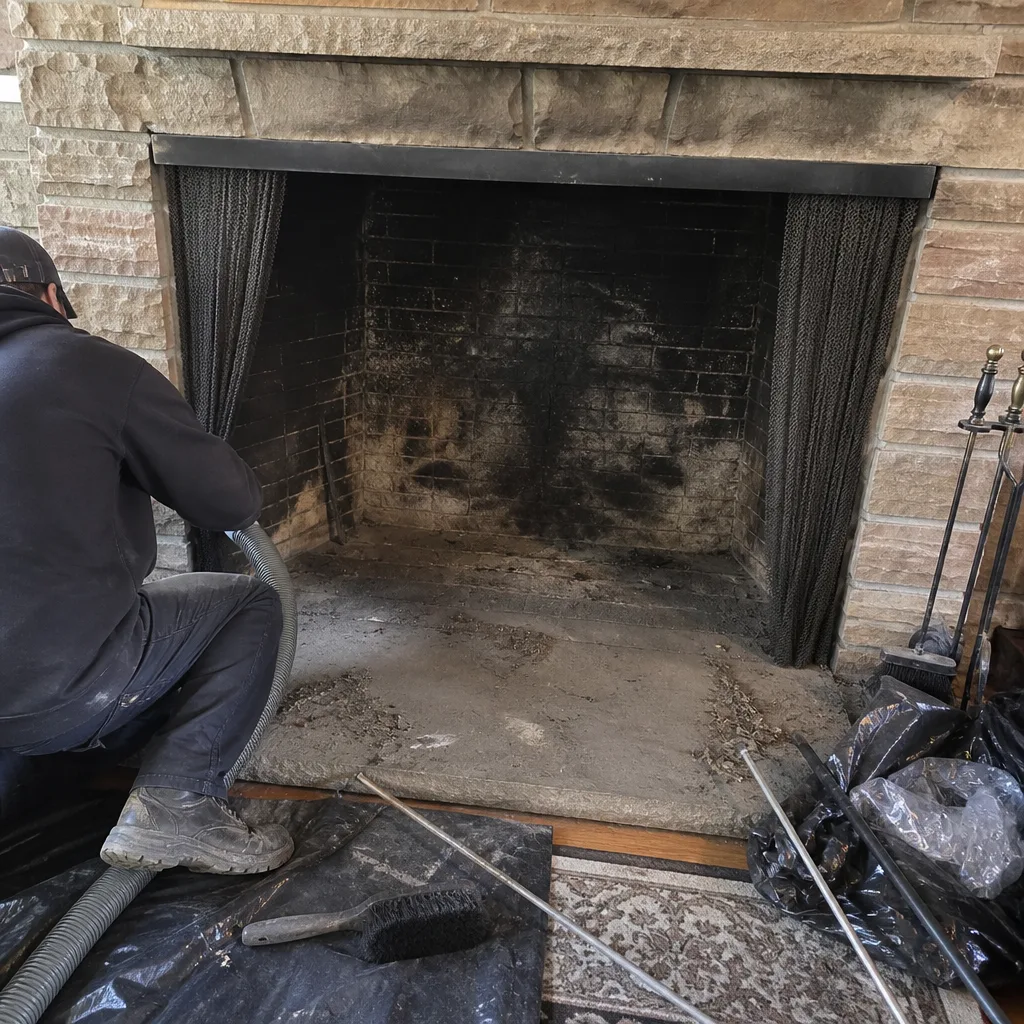 Before
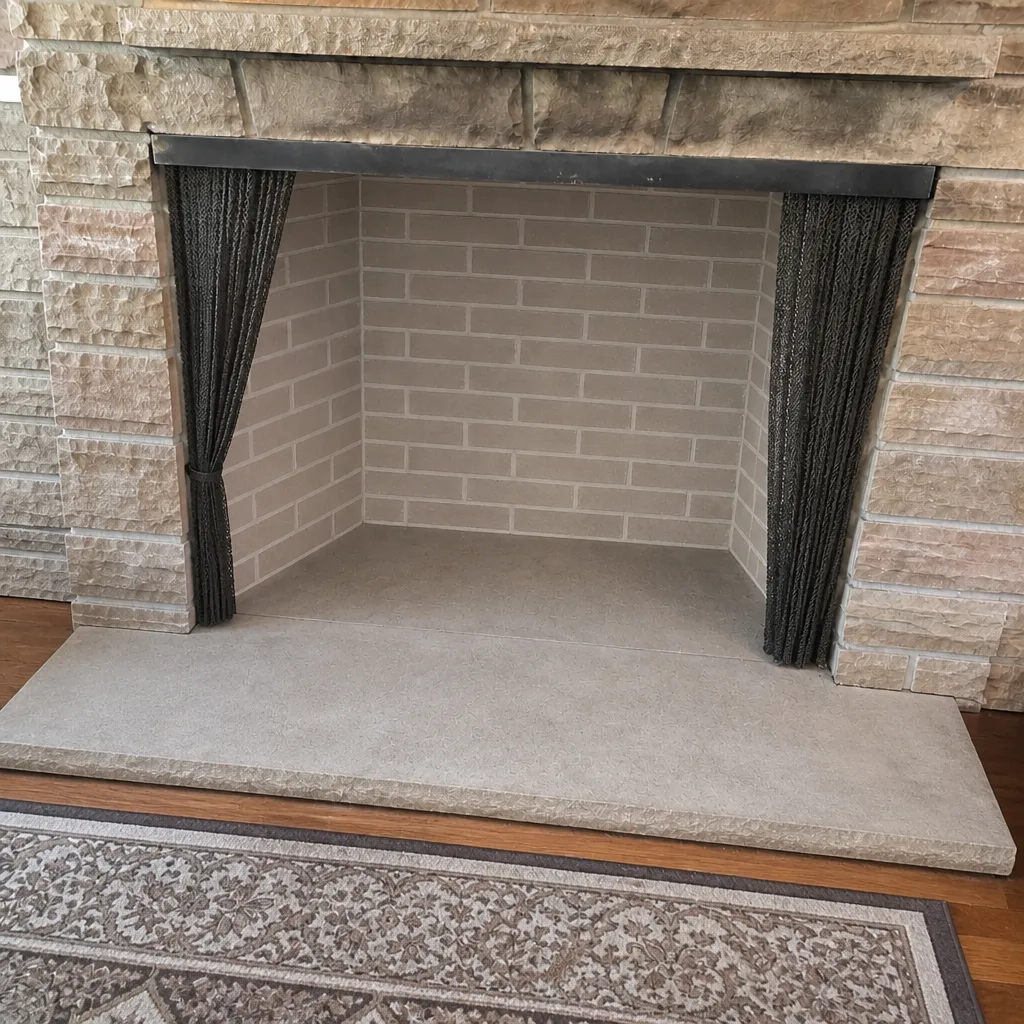 After
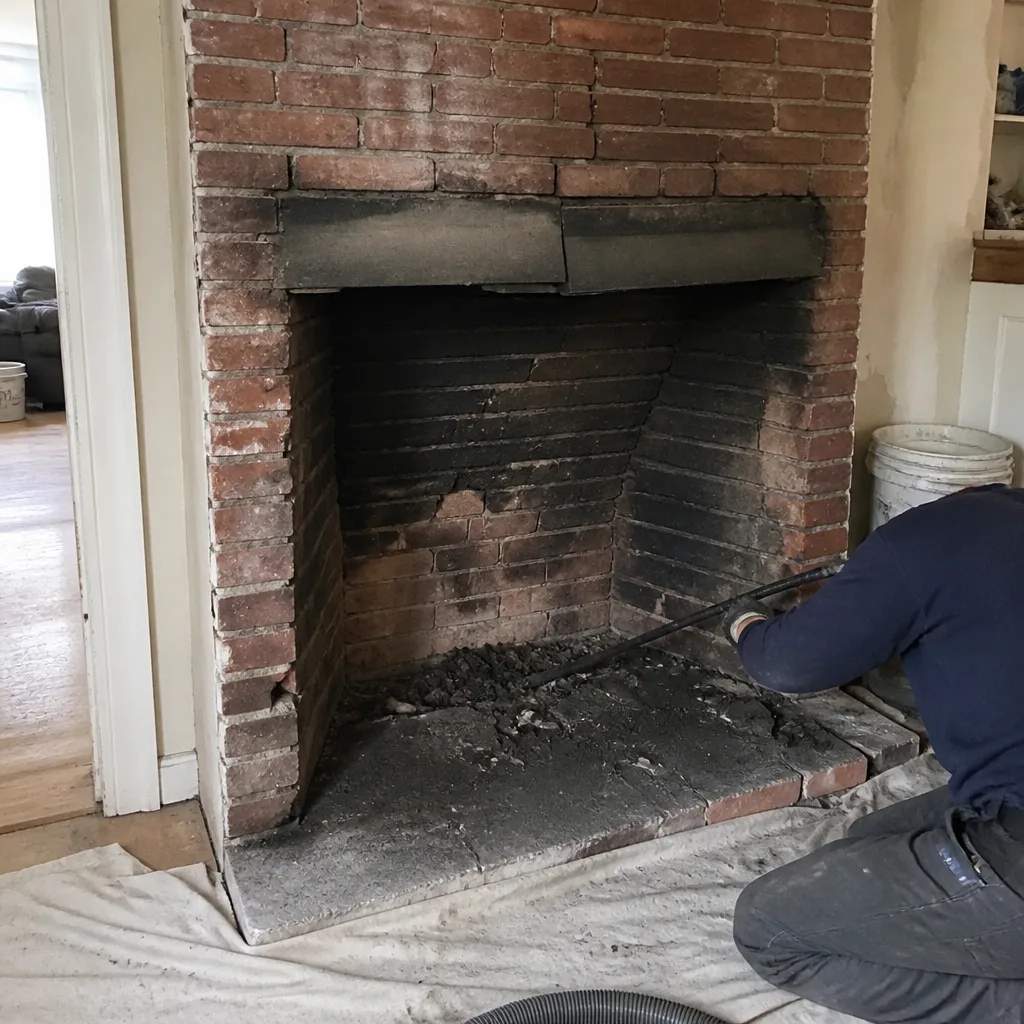 Before
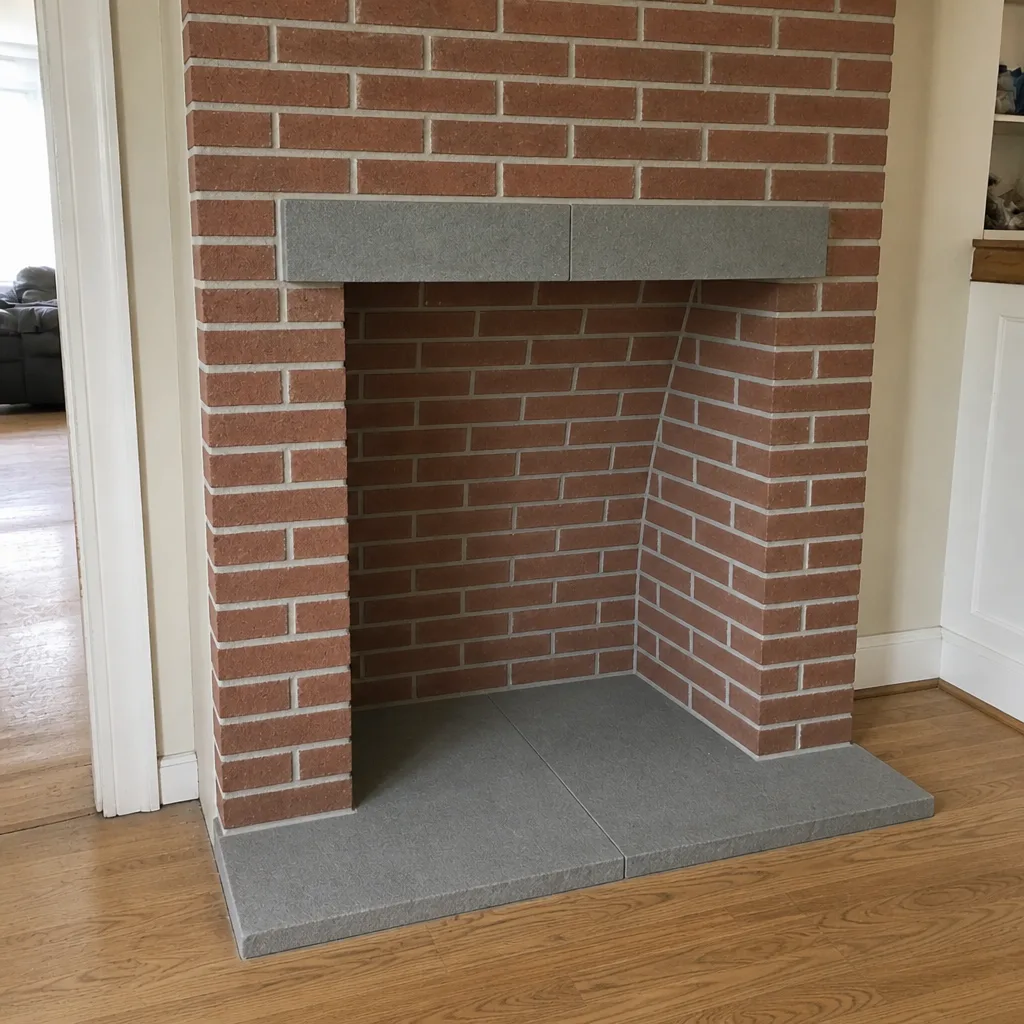 After
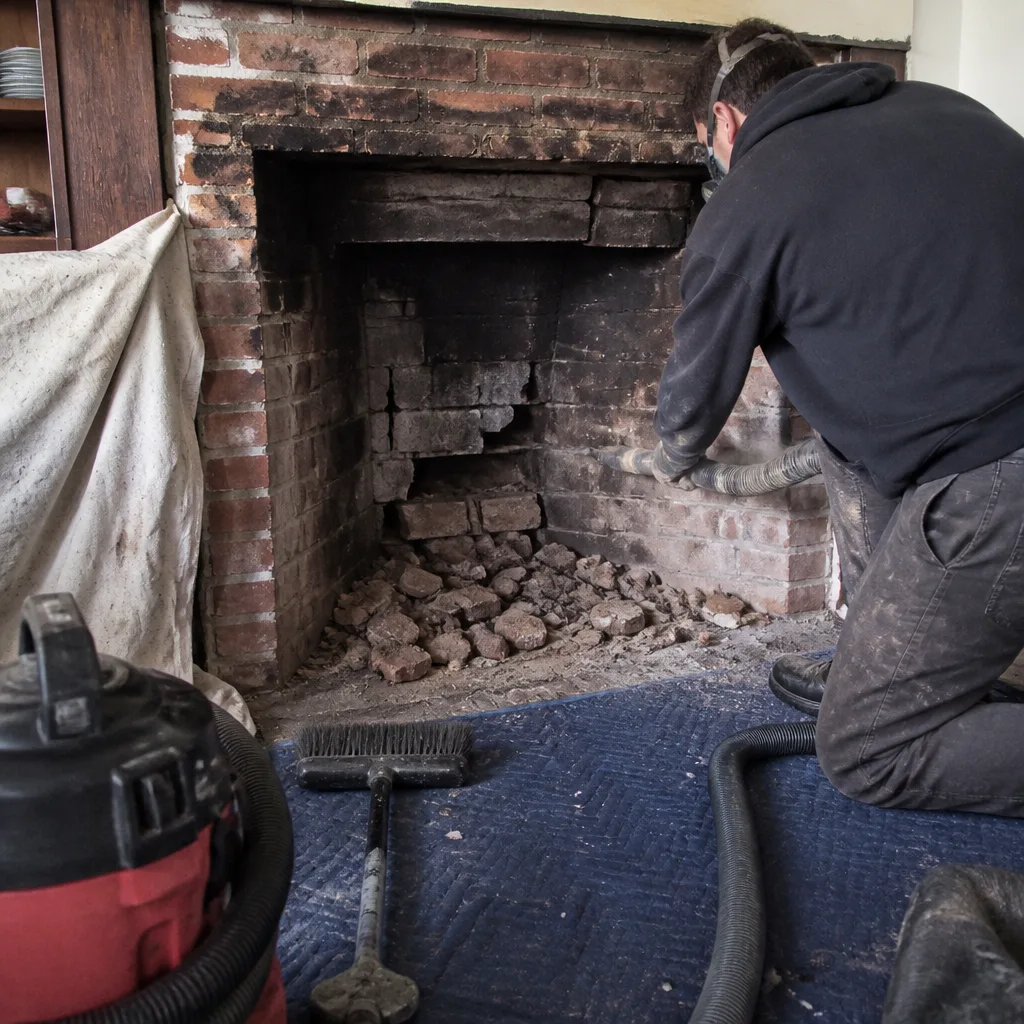 Before
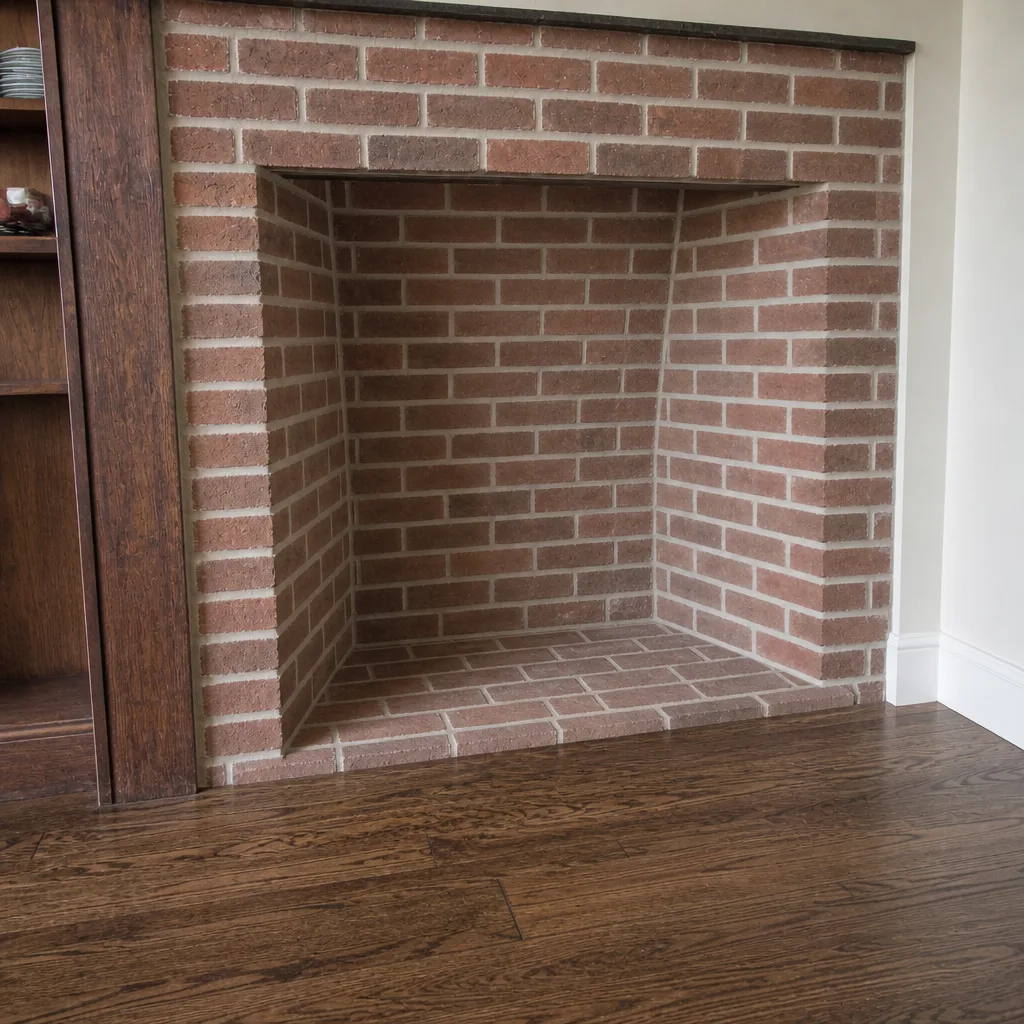 After
When to Call a Professional
You call a chimney professional the moment you notice something that doesn’t sit right: a strong creosote smell on a cold day, smoke backing into the room when you light a fire, soot streaks on the fireplace face, a CO alarm that sounded once and you talked yourself out of, or visible damage to the exterior of the chimney. You also call after any chimney fire, any smoke rollback, or any event where the fire department was on the property, before the fireplace is used again. And you call ahead of the burning season, before a real-estate closing, and any time you’ve moved into an older Dorchester home whose service history you don’t actually know. Chimney Sweep Dorchester offers free estimates in Dorchester. Call (844) 443-4495. We answer 24/7. Fast dispatch from 7am to 7pm, Sunday through Friday, and we’re closed Saturday. Estimates are free, and the price is set per job by the written estimate.
Frequently Asked Questions
Close the damper if you can reach it safely, get everyone out of the building, wake the neighbors in shared units, and call 911 from outside. Do not try to fight the fire yourself and do not throw water on it. Then do not use the fireplace again until a Level II inspection has cleared the flue. Call (844) 443-4495 to book that inspection; the estimate is free.
A chimney fire usually announces itself: rumbling, popping, visible smoke, a strong creosote smell, or flame at the top of the chimney. A CO event often has no visible smoke at all, and multiple people in the same unit feeling dizzy, headachy, or nauseous at the same time is the signal. If you have symptoms, treat it as a CO event, get to fresh air, and call 911. Call (844) 443-4495 for the inspection that follows.
No. Not until a Level II inspection has confirmed the liner, the smoke chamber, the firebox, and the surrounding structure are sound. Even a small fire can crack a liner. The fireplace stays cold until the inspection report is in your hand. Call (844) 443-4495 to schedule the inspection and get the report you need.
Yes, and particularly in the older multi-family housing where shared flues and heavy creosote loads are common. An annual chimney sweep is what clears creosote before it can feed a chimney fire. If you burn steadily through the winter, once a year is the floor, not the ceiling. Call (844) 443-4495 for a sweep and a condition check before the season starts.
Because heat spreads through shared masonry and tight lot lines in minutes, not hours. A flue failure in a triple-decker can reach the neighboring unit before the first engine finishes hooking up. That makes early reporting and neighbor notification part of the response, not optional extras. Call (844) 443-4495 for an inspection if you’re not sure what your shared chimney has been through.
Working CO alarms on every level and outside every sleeping area, working smoke alarms on every level, a chimney fire suppressant stick near the fireplace, a small fire extinguisher rated for the hearth area, a flashlight and shoes by the exit, and a written evacuation plan that includes the neighbors. Call (844) 443-4495 to book the pre-season sweep and inspection that keep most of it from ever being needed.
The Bottom Line
A chimney emergency in Dorchester is a building-level event, not a household-level one. The 90-minute window after a chimney fire or CO event runs on early reporting, neighbor notification, and a clear rule: the fireplace stays cold until a Level II inspection says otherwise. The pre-season work is what makes the window smaller: a sweep, cap and crown maintenance, and a real inspection rather than a quick look. If something doesn’t sit right, don’t talk yourself out of it. Call a chimney specialist and get the camera evidence in your hand before you decide anything.
Call Chimney Sweep Dorchester at (844) 443-4495 for a free estimate. We answer 24/7. Fast dispatch from 7am to 7pm, Sunday through Friday. One call covers the whole system: sweep, cap and crown, fireplace repair, structural repair, and inspection. Our technicians have up to 10 years of experience across the full chimney system, and every recommendation comes with the camera evidence and photo report you need to make the call yourself.
Written by the team at Chimney Sweep Dorchester.